Select Language:
The World’s Wealthiest Assets in 2025
1. Real Estate Continues Its Reign as the Most Valuable Asset Class
Topping the list is real estate, valued at an astonishing $674.36 trillion. From sprawling commercial properties to residential complexes, tangible land assets dominate global wealth. Despite market fluctuations, real estate remains a stable and lucrative investment, reflecting urban expansion and population growth worldwide.
2. Oil Reserves Still Drive Global Economics
With a staggering valuation of $169.75 trillion, oil reserves persist as one of the most significant commodities. Despite the shift toward renewable energy, oil remains integral to transportation, manufacturing, and energy sectors. Countries with substantial reserves, such as Saudi Arabia and the U.S., continue to leverage their resources for economic strength.
3. Chinese Yuan Maintains Its Position as a Major Currency Powerhouse
The Chinese Yuan is valued at $50.35 trillion, reflecting China’s growing influence in global markets. As an essential reserve currency and trade medium, the Yuan’s increasing valuation mirrors China’s expanding economic footprint and strategic international investments.
4. Gold: The Timeless Store of Value
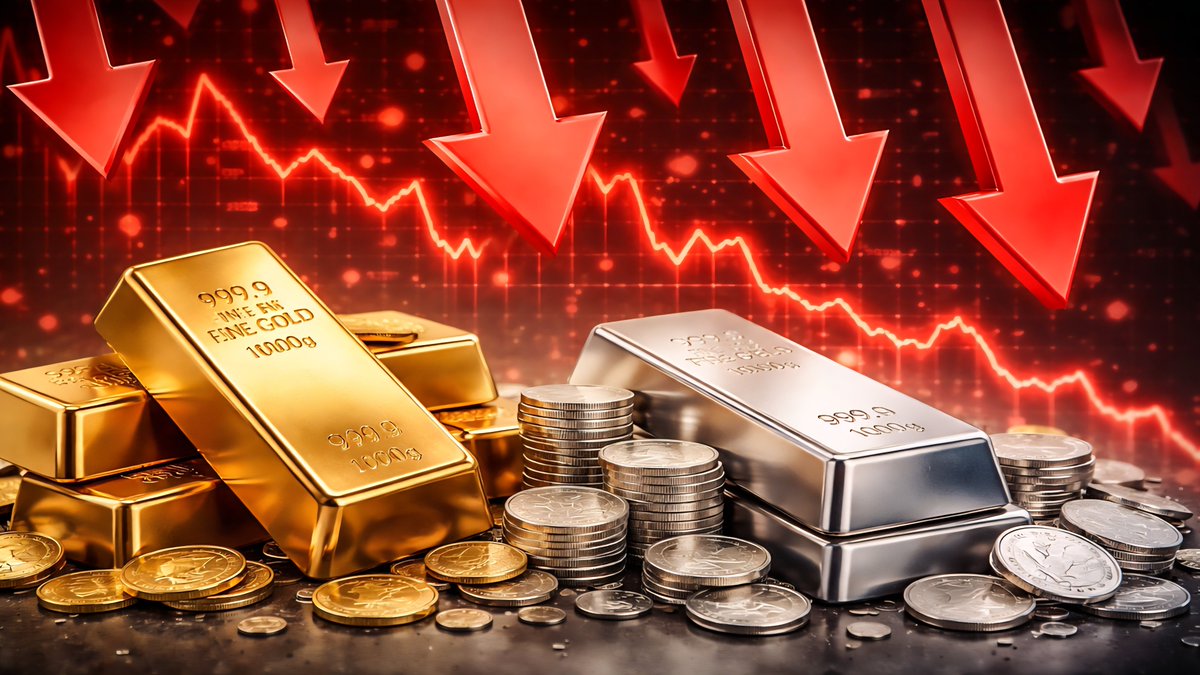
Gold holds a valuation of $33.68 trillion, underscoring its enduring appeal as a safe haven asset. Investors flock to gold during economic uncertainties, and central banks continue to diversify reserves with this precious metal, maintaining its historic significance.
5. The U.S. Dollar and Euro: Key Global Currencies
The U.S. Dollar is estimated at $22.44 trillion, reaffirming its status as the world’s primary reserve currency. The Euro closely follows with an estimated value of $18.65 trillion, signifying its vital role within the Eurozone and worldwide financial markets. Both currencies underpin international trade and investment.
6. Industrial Metals: Copper and Silver
Copper, valued at $16.72 trillion, is essential for electrification and infrastructure development. Silver is also prominent at $4.58 trillion, with applications in jewelry, electronics, and industrial manufacturing, emphasizing their importance in technological progress.
7. Energy Resources: Natural Gas in Transition
Natural gas, valued at nearly $9.89 trillion, remains a critical energy source. Despite a push for renewables, natural gas continues to power industries and households, especially in emerging economies seeking affordable energy.
8. Major Tech Giants’ Market Capitalizations
Tech conglomerates top the corporate asset list, with NVIDIA holding an estimated value of $4.45 trillion. Apple, Microsoft, and Alphabet closely follow, highlighting the continuing dominance of technology firms in global wealth. These companies drive innovation and influence markets worldwide.
9. The Rise of Cryptocurrency and Digital Assets
Bitcoin, valued at approximately $1.50 trillion, remains an influential digital asset. Though volatile, cryptocurrencies have cemented themselves as alternative investments, with institutional adoption strengthening their legitimacy in 2025.
10. Leading Companies and Financial Institutions
Walmart and Berkshire Hathaway maintain their positions as valuable corporate assets, with valuations of $1 trillion and $1.06 trillion, respectively. Major financial institutions like JPMorgan Chase also feature prominently, reflecting the importance of finance in global wealth creation.
The landscape of global wealth continues to evolve around traditional assets like real estate and commodities, alongside emerging sectors such as technology and cryptocurrency. As markets adapt to geopolitical shifts, technological advancements, and renewable energy proliferation, the valuation of these assets provides a window into the priorities shaping the world economy in 2025.
Source: AssetMarketCap
 ChatGPT
 Perplexity
 Gemini AI
 Grok AI