Select Language:
The 2025 Asset Landscape: A Closer Look at the World’s Biggest Wealth Holders
1. Real Estate Continues to Dominate Global Wealth
Leading the list is real estate, valued at an astonishing $671.19 trillion. Property assets across the globe remain the cornerstone of wealth accumulation, with commercial and residential properties driving economic stability and investment opportunities. From skyscrapers in New York to sprawling plains in Australia, real estate assets continue to serve as a bedrock for individual and institutional wealth.
2. Oil and Natural Resources Still Hold Massive Value
Despite the push toward renewables, oil remains a powerhouse asset valued at approximately $107.12 trillion. Alongside it, natural gas is valued at around $10.90 trillion, underscoring the ongoing reliance on fossil fuels for global energy needs. These resources continue to influence geopolitics and economic policies worldwide.
3. Currencies of the World: The Power Players
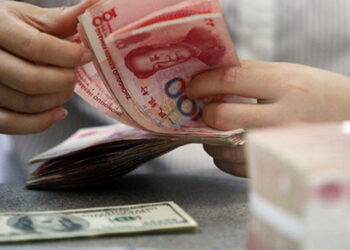
The U.S. dollar retains its position as the dominant currency, valued at $22.32 trillion, followed by the euro at $18.69 trillion. China’s renminbi (Yuan) has grown in influence, holding assets worth approximately $48.3 trillion—a testament to China’s expanding economic footprint. Meanwhile, the British Pound and Korean Won are also significant players on the currency front.
4. Precious Metals Still Shine Bright
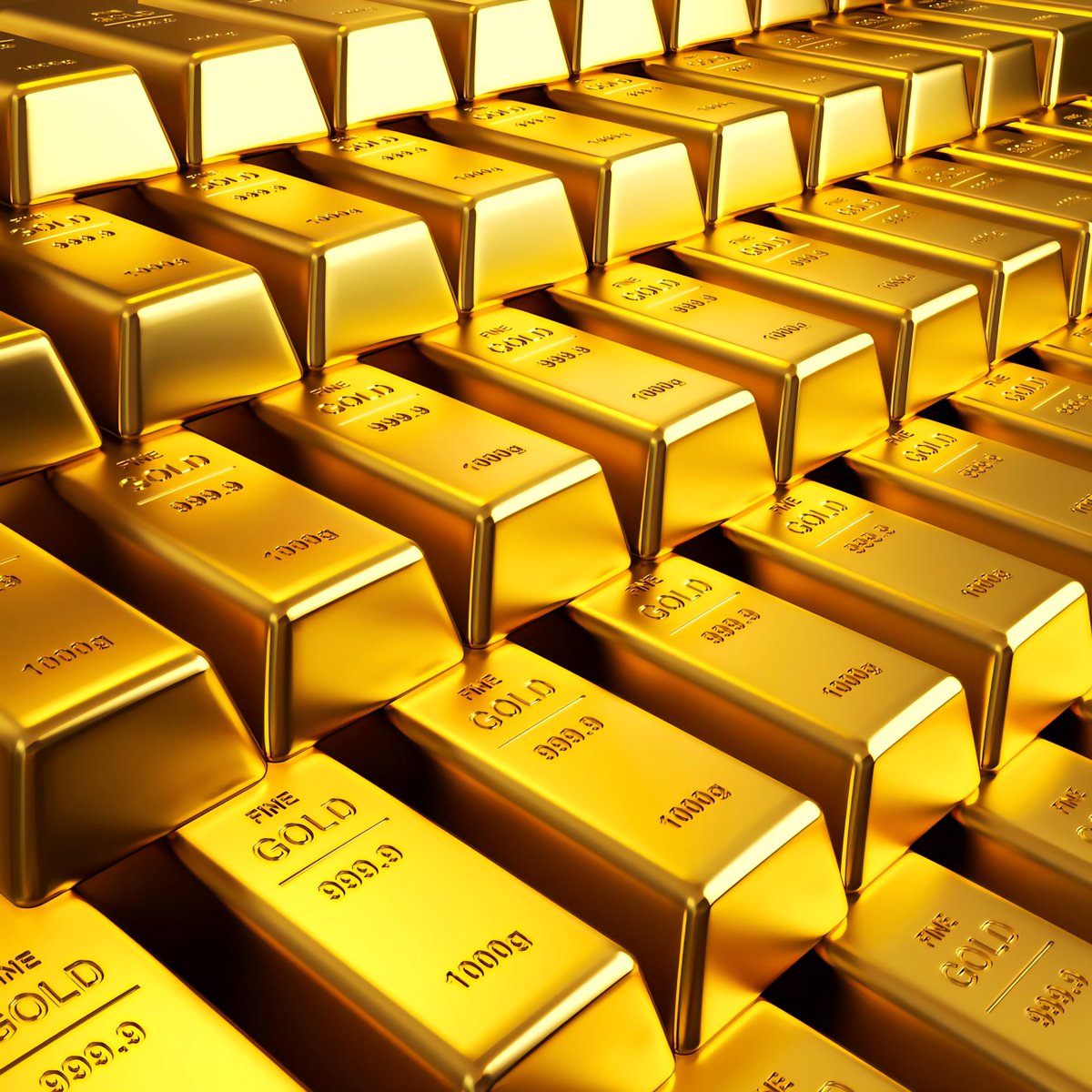
Gold, often seen as a safe-haven asset, is valued at $30.82 trillion. Silver isn’t far behind, with a valuation of $4.72 trillion, reflecting ongoing demand for precious metals in both investment and industrial sectors. Platinum, valued at nearly $741 billion, continues to be vital for automotive and jewelry industries.
5. Tech Giants Dominating Corporate Asset Values
In the corporate realm, technology firms hold some of the highest valuations. NVIDIA tops the list among companies with a valuation of around $4.50 trillion, indicating its critical role in graphics processing, AI, and data centers. Alphabet (Google) follows with a worth of approximately $4.02 trillion, while Apple and Microsoft are valued at $3.85 trillion and $3.55 trillion, respectively. These giants continue to shape global markets and technological innovation.
6. Major Financial Institutions and Investment Firms
Traditional banking and investment giants maintain their significant footing. JPMorgan Chase is valued at nearly $892 billion, and Berkshire Hathaway stands at around $1.08 trillion. These institutions underpin much of the world’s financial activity, playing crucial roles in funding and investment strategies.
7. Emerging and Noteworthy Economies
Emerging markets like India and Mexico show increasing asset values, with Indian assets reaching over $809.58 billion and Mexican assets nearly $907 billion. These figures highlight their growing influence in the global economy. Additionally, countries such as Brazil and Poland are solidifying their positions with assets worth $1.34 trillion and $740.9 billion, respectively.
8. Cryptocurrencies Breaking the Mold
Bitcoin maintains its significant presence with a valuation of approximately $1.82 trillion. Although volatile, digital currencies are increasingly integrated into mainstream assets, showing their growing acceptance as stores of value and investment vehicles.
9. Industry-Specific Giants
Large multinational corporations like Amazon, Tesla, and Samsung have amassed impressive asset valuations—$2.63 trillion, $1.49 trillion, and $624.7 billion respectively. These companies continue to influence global markets through innovation, consumer products, and technological advancements.
10. Commodities and Specialized Assets
In addition to metals and resources, specialized commodities like platinum are valued at nearly $740.59 billion. Industry-specific companies such as TSMC, a leader in semiconductor manufacturing, boast valuations of around $1.72 trillion, demonstrating the critical nature of chip technology in today’s digital world.
This comprehensive list underscores the shifting dynamics in global wealth distribution. While real estate and commodities remain dominant, technology and financial services are rapidly expanding their influence. As economies evolve in 2025, understanding these assets offers valuable insights into the current economic landscape.
 ChatGPT
 Perplexity
 Gemini AI
 Grok AI