Select Language:
The 2025/26 Global Women’s Safety Index: The Most Dangerous Countries for Women
- Afghanistan: A Land of Continued Struggles
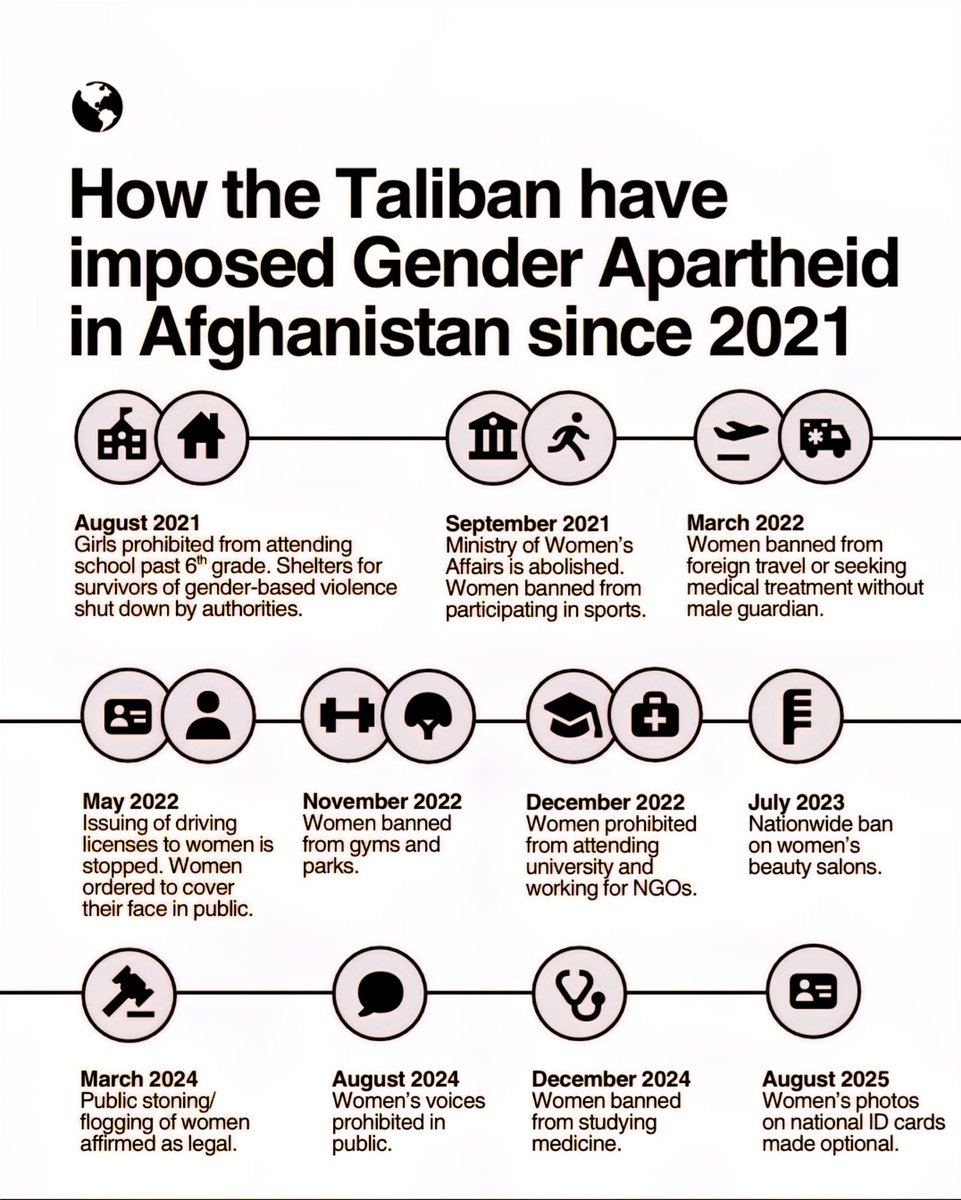
Afghanistan remains at the bottom of the list, suffering from ongoing conflict, limited rights for women, and extreme societal restrictions. Women face restricted movements, limited access to education, and systemic violence that perpetuates their vulnerability. Despite international efforts for reform, the country’s security situation remains precarious, making everyday life dangerous for women.
- Yemen: War and Women’s Rights Under Siege
Yemen, embroiled in a protracted civil war, continues to be perilous for women. Food shortages, violence, and a collapsing healthcare system compound their struggles. Women are often targeted during conflict, denied access to healthcare, and face pervasive gender-based violence, reflecting the severe risks they encounter daily.
- Central African Republic: Conflict and Gender Violence
Persistent conflict and political instability have left women in the Central African Republic vulnerable to violence, exploitation, and limited access to education and healthcare. Many women face forced displacement, with vulnerable populations experiencing high rates of sexual violence amid ongoing unrest.
- Syria: A Decade of Crisis Continues to Impact Women
After more than a decade of civil war, Syrian women continue to grapple with displacement, economic hardship, and familial loss. Access to health services and security remains scarce, and gender-based violence is alarmingly common in conflict zones.
- Sudan: Political Turmoil and Discrimination
In Sudan, political upheaval and a fragile transition have heightened risks for women. Societal discrimination persists, and numerous women are victims of harassment, violence, and restrictions on their freedoms, impeding their ability to participate fully in society.
- Haiti: Political Instability and Violent Crime
Haiti suffers from political instability, economic hardship, and rampant violent crime. Women face high rates of gender-based violence, including sexual assault and exploitation, often with limited access to justice or protection.
- Democratic Republic of Congo: Endemic Violence
DR Congo remains one of the most dangerous places for women due to ongoing conflict. Many women are victims of sexual violence used as a weapon of war, and healthcare infrastructure is insufficient to address these pressing issues.
- Burundi: Struggling Amid Political Unrest
Burundi’s political unrest and economic hardship have put women at increased risk of violence and exploitation. Social restrictions and health crises further compound the dangers faced by women in everyday life.
- South Sudan: Post-Conflict Vulnerabilities
Despite peace agreements, South Sudan’s women continue to face the fallout from conflict. Sexual violence clusters as a weapon of war, and access to health, safety, and justice remains limited for many women.
- Myanmar: Ethnic Tensions and Military Repression
In Myanmar, ethnic conflicts and military crackdowns severely impact women’s safety. Women often experience targeted violence, displacement, and restricted freedoms amid ongoing political upheaval.
(The remaining countries on the list similarly face critical issues ranging from political instability, armed conflict, gender-based violence, and limited access to healthcare, education, and justice.)
Key Takeaways
The global Women Peace and Security Index underscores a stark reality: many women across the world live in environments where their rights, safety, and well-being are under constant threat. Countries embroiled in conflict, political instability, or societal discrimination continue to pose significant dangers for women, impacting every aspect of their lives—from health and education to safety and participation in society.
While these countries face complex crises, international organizations and local advocacy groups remain committed to improving women’s protection and advancing gender equality. Yet, the progress remains uneven, and the journey toward safer, more equitable societies continues.
The fight for women’s rights and security must be a global priority, especially in regions where conflict and inequality threaten to erase gains made over decades.
 ChatGPT
 Perplexity
 Gemini AI
 Grok AI