Select Language:
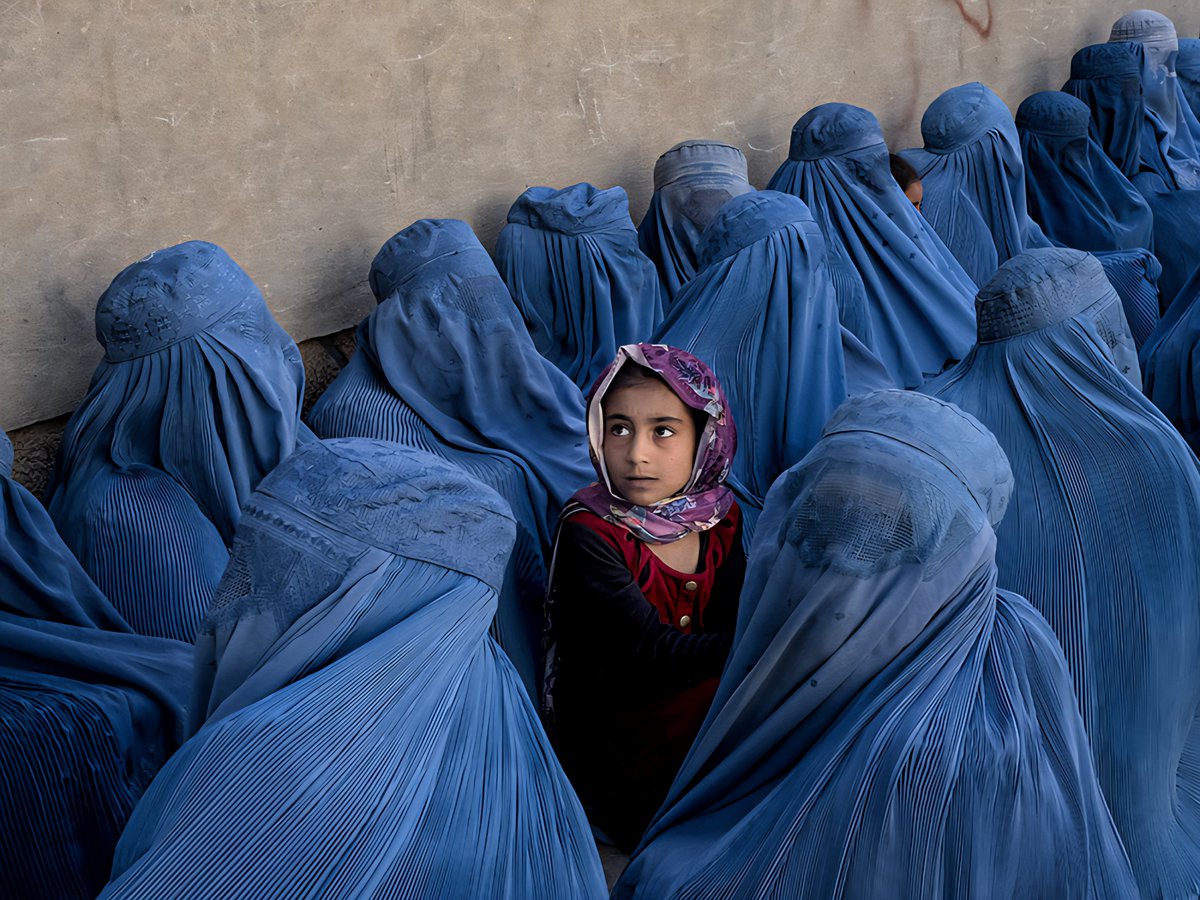
1. Afghanistan: Struggling Under Ongoing Conflict and Oppression
Afghanistan remains the most dangerous country for women in 2025. Decades of war, Taliban rule, and conservative societal norms severely restrict women’s rights, including access to education, healthcare, and employment. Women face high levels of violence, forced marriages, and limited personal freedoms, making daily life fraught with danger and discrimination.
2. Yemen: Women’s Lives Upended by Civil War and Famine
Yemen continues to suffer from a brutal civil war, which has devastated infrastructure and basic services. Women and girls are especially vulnerable to violence, exploitation, and denial of health services. Early marriages and gender-based violence are rampant, and the ongoing conflict hampers efforts to improve women’s rights.
3. Central African Republic: A Nation in Turmoil and Gender Violence
For women in the Central African Republic, insecurity and political instability mean limited access to education and healthcare. Women are frequent targets of violence, including sexual assault and exploitation, often with little legal recourse. The country’s ongoing struggle impedes progress toward gender equality.
4. Syria: War’s Lingering Shadow on Women’s Welfare
Years of civil war have left Syrian women facing dire circumstances. Displacement, loss, and trauma are prevalent, compounded by conservative societal attitudes that restrict women’s participation in public life. Access to reproductive health remains a challenge, and protective services are scarce.
5. Sudan: From Conflict to Limited Rights
Despite recent political changes, Sudan ranks poorly for women’s well-being. Women continue to confront legal and social barriers, including restrictions on dress and movement. Gender-based violence persists, and access to education, especially for girls, remains limited in many areas.
6. Haiti: A Land of Natural Disasters and Violence Against Women
Haiti’s complex crises—natural disasters, political unrest, and economic hardships—disproportionately impact women. Violence against women is alarmingly high, often unpunished. Healthcare access is limited, and cultural norms still impede gender equality efforts.
7. Democratic Republic of the Congo: Endemic Conflict and Gender Inequality
Persistent violence and armed conflicts have created a perilous environment for women in Congo. Rape and sexual violence are used as weapons of war, and women face significant hurdles in accessing justice, education, and healthcare services.
8. Burundi: Struggling Amid Political and Societal Challenges
In Burundi, women face socio-economic disadvantages exacerbated by political instability. Early marriages, gender-based violence, and limited access to reproductive healthcare keep many women in cycles of poverty and oppression.
9. South Sudan: A Crisis of War and Gender Violence
South Sudan’s ongoing conflict continues to devastate communities. Women and girls are at heightened risk of abduction, sexual violence, and forced marriages. Healthcare infrastructure is fragile, leaving many without essential reproductive health services.
10. Myanmar: Political Instability and Societal Violence
Following recent political upheaval, Myanmar women experience increased violence and marginalization. Ethnic conflicts and military crackdowns have displaced millions, with women often bearing the brunt of these crises through violence and limited access to health and legal resources.
The list continues with countries where women face systemic challenges, including Pakistan, Somalia, Mali, Nigeria, and others. These nations share complex issues such as conflict, restrictive laws, cultural norms, and economic hardships that impede progress toward gender equality.
Analysis & Broader Perspectives
This grim snapshot underscores the persistent global disparities in women’s rights, highlighting how war, political instability, and social conservatism continue to undermine women’s safety and freedoms. Efforts to improve these conditions require international cooperation, targeted policies, and community-driven change. The 2025/26 Women Peace and Security Index paints a stark reality but also serves as a call to action to prioritize women’s rights worldwide.
Understanding these challenges is crucial for policymakers, NGOs, and civil society to develop effective strategies to support women in these most vulnerable nations.
 ChatGPT
 Perplexity
 Gemini AI
 Grok AI