Select Language:
2025’s Top 40 Most Valuable Assets Around the World
1. Real Estate Dominates with a Trillion-Dollar Valuation
The real estate sector continues to hold the crown as the most valuable asset class globally, with an estimated worth of around $672.09 trillion. From sprawling urban properties to extensive commercial complexes, real estate investments remain a cornerstone for wealth preservation and growth. Market analysts note that despite fluctuations, real estate’s intrinsic value persists due to ongoing demand for housing and commercial spaces.
2. Oil and Energy Resources Hold Critical Economic Significance
Oil remains a significant asset class valued at approximately $117.93 trillion. Despite the global shift towards renewable energy, oil continues to underpin transportation and industrial sectors worldwide. Natural gas also contributes heavily with an estimated value of $14.36 trillion, reflecting its role as a cleaner energy source and its strategic importance.
3. The Rising Power of Chinese Currency
The Chinese Yuan has an impressive valuation of nearly $48.94 trillion. Its growing influence in global trade and finance underscores China’s expanding economic reach. As the world’s second-largest economy, the Yuan’s strength reflects China’s strategic efforts to internationalize its currency.
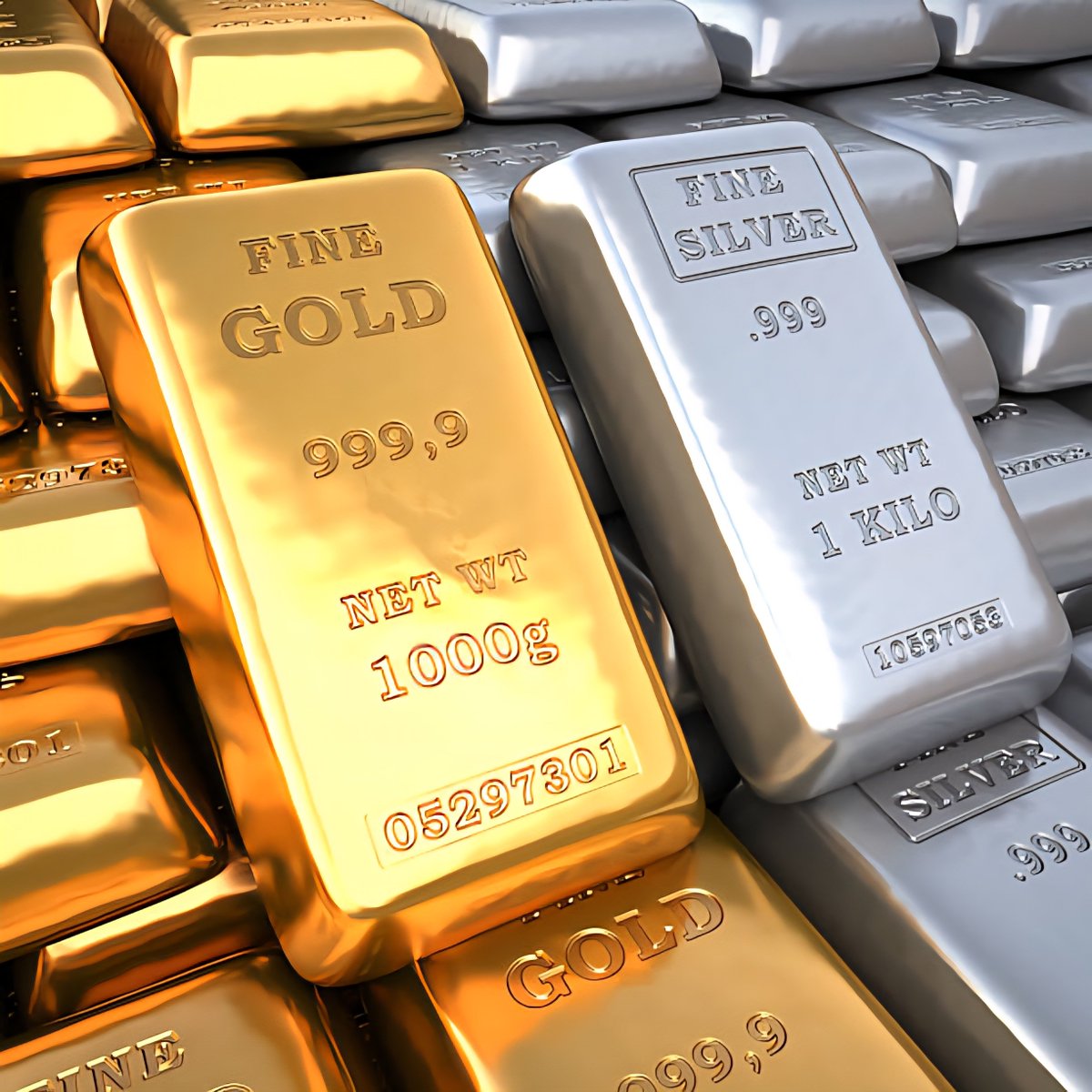
4. Gold and Silver: Traditional Hedge Assets
Precious metals remain core components of wealth preservation. Gold is valued at roughly $32.93 trillion, underscoring its status as a safe haven during turbulent times. Silver, slightly behind at $4.77 trillion, continues to appeal due to its industrial uses and investment appeal.
5. U.S. Dollar and Euro Maintain Global Leadership
The U.S. dollar stands tall at around $22.41 trillion, reaffirming its dominance as the world’s primary reserve currency. The Euro follows closely with an estimated worth of $19.12 trillion, highlighting Europe’s economic resilience and its pivotal role in international trade.
6. Key Commodities: Metals and Energy Drive Economies
Copper and natural gas are vital for industrial manufacturing and energy needs, valued at approximately $17.03 trillion and $14.36 trillion, respectively. Their continued demand supports infrastructure development and technological advancements worldwide.
7. Tech Giants and Powers of the Digital Age
Technology companies have solidified their positions among top assets. NVIDIA leads the tech sector with a valuation nearing $4.65 trillion, driven by advances in AI and gaming. Alphabet (Google’s parent company) and Apple are also prominent, valued at $4.09 trillion and $3.81 trillion respectively, reflecting the increasing reliance on digital platforms, devices, and services.
8. Prominent Financial Institutions and National Economies
JPMorgan Chase, one of the largest banks globally, is valued at over $832 billion, demonstrating the strength of financial infrastructure. Countries like India, with its Rupee valued at $791.20 billion, and Mexico’s Peso at $937.52 billion, showcase emerging markets’ expanding economic influence.
9. Mega Corporations Shaping the Future
Companies such as Tesla, with a valuation of around $1.61 trillion, continue to revolutionize transportation and energy. Tech giants like Meta Platforms and Broadcom also feature prominently, signaling ongoing innovation and digital transformation in various sectors.
10. Cryptocurrencies Make a Significant Impact
Bitcoin, the flagship cryptocurrency, is valued at about $1.64 trillion in 2025. Its increasing mainstream acceptance as a store of value and hedge against inflation emphasizes its growing role in the global financial ecosystem.
This detailed overview of the world’s most valuable assets in 2025 illustrates a dynamic and interconnected global economy. Traditional assets like real estate and precious metals stay strong, while technology companies and cryptocurrencies are reshaping wealth and investment strategies. Regional economies continue to evolve, with emerging markets gaining prominence amid shifting geopolitical landscapes. Investors and policymakers alike monitor these valuations to navigate the complex financial future ahead.
Source: AssetMarketCap 2025 Report
Note: All figures are estimates based on latest available data and market insights. Asset valuations fluctuate with market conditions, geopolitical events, and technological advancements.
 ChatGPT
 Perplexity
 Gemini AI
 Grok AI