Select Language:
Countries Struggling the Most in 2025: A Look at Living Conditions Around the World
-
Central African Republic Faces Pervasive Hardships
As of 2025, the Central African Republic remains at the bottom of the list with widespread poverty, limited healthcare, and fragile infrastructure. Persistent conflicts and economic instability hinder efforts to improve citizens’ quality of life, making everyday survival a challenge for many residents. -
South Sudan Continues to Battle Crisis Conditions
Despite recent peace agreements, South Sudan’s ongoing civil conflicts, food insecurity, and inadequate health services continue to leave millions in dire conditions. Basic necessities such as clean water and education remain out of reach for a significant portion of the population.ADVERTISEMENT -
Burundi’s Struggle with Poverty and Governance Issues
Burundi’s development remains hampered by political instability, economic hardship, and food insecurity. Healthcare facilities are limited, and access to clean water is often unreliable, impacting the overall health and wellbeing of its citizens. -
Madagascar’s Environmental and Economic Challenges
The island nation faces recurring problems including poverty, environmental degradation, and limited access to quality education and healthcare services. Many families live beneath the poverty line, struggling to meet basic needs. -
Democratic Republic of Congo Continues Its Troubled Path
The DRC suffers from ongoing conflict and poor infrastructure, leading to inadequate access to healthcare, education, and economic opportunities, all of which hamper its population’s living standards. -
Eritrea’s Restricted Freedoms and Basic Needs Shortage
With a tightly controlled government, Eritrea experiences limited humanitarian aid and international engagement. Many citizens endure shortages of food, medicine, and essential services. -
Chad’s Struggles with Poverty and Food Security
Chad’s arid climate and ongoing conflict contribute to widespread malnutrition, poor healthcare access, and inadequate sanitation, affecting millions of its residents. -
Niger’s Persistent Development Challenges
Niger faces extreme poverty, frequent droughts, and limited access to education and healthcare, resulting in one of the lowest quality of life measures globally.ADVERTISEMENT -
Somalia’s Ongoing Conflict Impacts Daily Living
Continued instability, drought, and food crisis have left large portions of Somalia’s population without reliable access to clean water, healthcare, or education. -
Papua New Guinea’s Developmental Obstacles
Geographical remoteness and infrastructural deficits hinder the delivery of essential services, leading to poor health outcomes and limited economic opportunities.
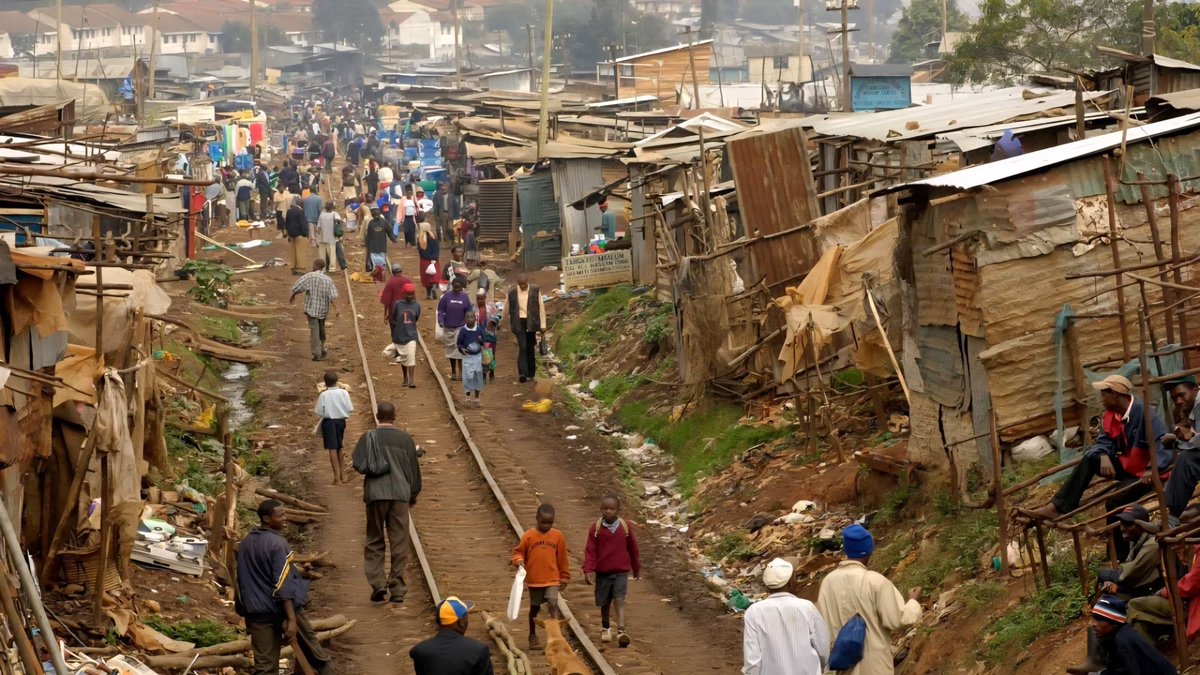
<— Insert Image Here —>
11. Mozambique’s Struggling Healthcare and Economic Systems
Post-cyclone recovery, Mozambique continues to grapple with poverty, health crises such as malaria and HIV, and shortages of basic necessities.
12. Sierra Leone Rebounds from Past Conflicts
While progress has been made, many Sierra Leoneans still lack access to consistent healthcare, quality education, and clean drinking water.
13. Malawi’s Fight Against Poverty
Agricultural dependency and limited industrial development keep Malawi in low-income brackets, with many living under the poverty line.
14. Guinea-Bissau’s Political and Economic Instability
Frequent political turmoil hampers development efforts, and basic infrastructure remains underdeveloped.
15. Afghanistan’s Ongoing Security Challenges
Despite international aid, Afghanistan’s population continues to face critical shortages of healthcare, nutrition, and safety.
16. Burkina Faso’s Security and Developmental Hurdles
The rise in violence from insurgent groups hampers access to education, healthcare, and economic activities.
17. Guinea’s Strained Healthcare and Education Systems
Resource limitations persist, affecting populations’ access to vital services and opportunities.
18. Zambia’s Economic Difficulties and Poverty Rates
Despite progress, many Zambians live below the poverty threshold, with access to clean water and healthcare inconsistent across regions.
19. Haiti’s Crisis of Infrastructure and Safety
Natural disasters and political unrest continue to undermine efforts to improve living conditions for its citizens.
20. Yemen’s Humanitarian Crisis Deepens
Years of conflict have left millions displaced, with shortages of food, medicine, and safe shelter being widespread.
21. Rwanda Achieves Relative Progress but Still Faces Challenges
While Rwanda has made strides in healthcare and economic growth, disparities and limited access in rural areas persist.
22. Ethiopia’s Political Unrest and Poverty
Internal conflicts disrupt development projects, and many Ethiopians are still without adequate healthcare, clean water, or education.
23. Liberia’s Post-Ebola Recovery
The nation still struggles with health crises, unemployment, and infrastructure deficits affecting its populace.
24. Angola’s Wealth from Oil, but Widespread Poverty Remains
Economic reliance on oil has not translated to improved living standards for many Angolans, especially in rural regions.
25. Benin’s Limited Infrastructure
Despite democratic stability, access to quality healthcare and education remains a challenge for many.
26. Lesotho’s Economic Dependance and Health Concerns
High HIV/AIDS prevalence continues to impact life expectancy and workforce productivity.
27. Togo’s Developing Economy
Limited industrialization and inadequate public services hinder progress in living conditions.
28. Uganda’s Growth Amid Developmental Gaps
Fast population growth outpaces infrastructure and service delivery, affecting overall wellbeing.
29. Zimbabwe’s Economic Crisis
Hyperinflation and unemployment have left many without reliable access to necessary services.
30. Sudan’s Ongoing Conflict and Displacement
Repeated conflicts and political instability hinder national development efforts.
31. Tanzania’s Resource Growth and Challenges
While sectors like tourism progress, rural areas face poor healthcare, education, and water access.
32. Mali’s Security and Development Issues
Insurgencies and political instability impede improvements in basic living standards.
33. Cameroon’s Socioeconomic Struggles
Crisis in the Anglophone regions and conflict disrupt essential services.
34. Comoros’ Limited Resources
Island infrastructure deficits hamper access to healthcare, education, and clean water.
35. Congo’s Ongoing Instability
Persistent political unrest and conflict affect daily life and economic recovery.
36. Nigeria’s Rapid Population Growth and Crises
Massive urban slums, ongoing insurgencies, and corruption challenge the delivery of public services.
37. Kenya’s Developmental Disparities
Urban areas advance, yet rural communities often lack access to health and education.
38. Myanmar’s Political Turmoil
Civil conflicts and military rule restrict access to essential services for many citizens.
39. Gambia’s Developmental Challenges
While making progress, the nation faces hurdles in healthcare, education, and employment opportunities.
40. Côte d’Ivoire’s Economic Potential, but Developmental Gaps
Post-conflict recovery has improved stability, but widespread poverty and limited infrastructure persist.
This list, compiled based on the Legatum Prosperity Index 2025, underscores the disparities faced by countries across the globe. Improving living conditions remains critical for global stability and human rights, calling for targeted efforts by governments, organizations, and communities alike.
 ChatGPT
 Perplexity
 Gemini AI
 Grok AI