Select Language:
The World’s Top 40 Countries by GDP (PPP) in 2025: A Complete Breakdown
China Continues Its Economic Surge with Over $39 Trillion
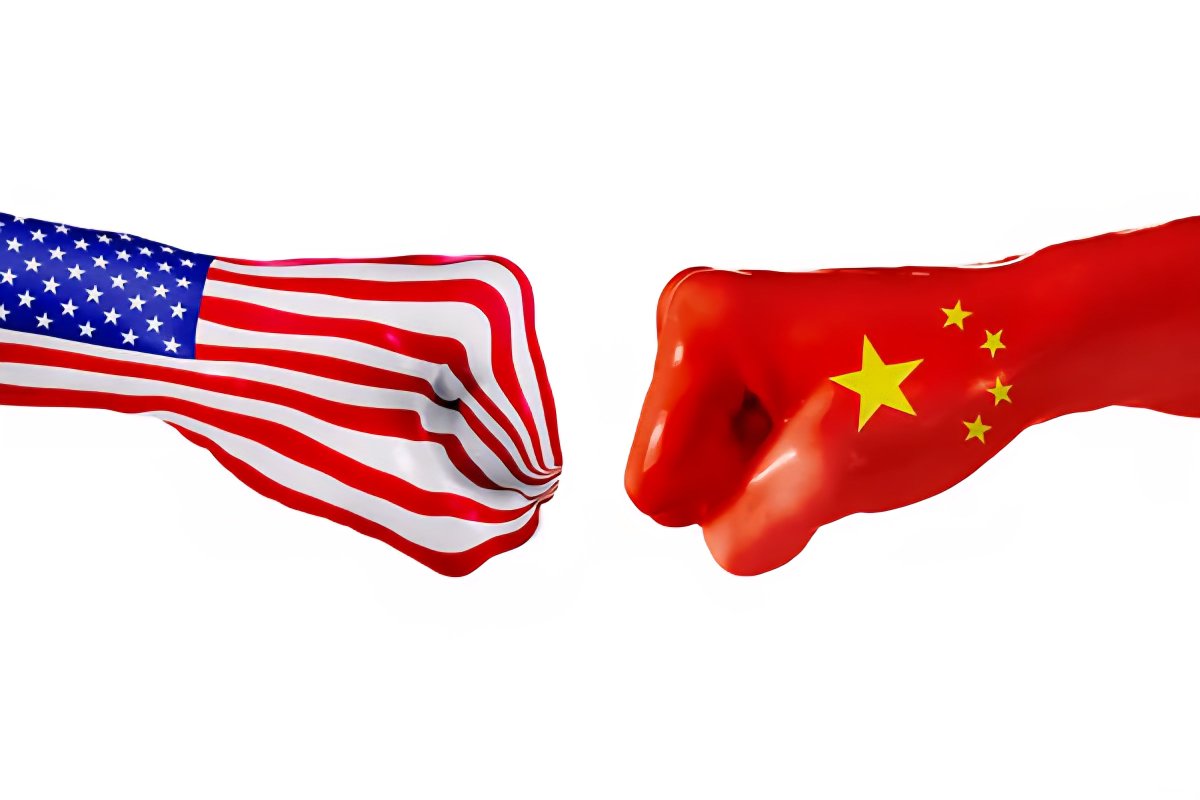
In 2025, China maintains its position as the world’s economic powerhouse, boasting a Gross Domestic Product (GDP) of approximately $39.44 trillion based on Purchasing Power Parity (PPP). Its impressive figure underscores the country’s rapid development and expanding influence on the global stage. The Asian giant’s steady growth has positioned it well ahead of other nations, reinforcing its role as a critical player in international trade, manufacturing, and innovation.
The United States Keeps Its Spot Near the Top After Decades of Dominance
With a GDP of roughly $30.34 trillion, the United States holds onto its status as the second-largest economy globally. Despite challenges like global inflation and geopolitical shifts, the U.S. continues to serve as an economic hub, driven by technological advances, a resilient services sector, and a vibrant entrepreneurial ecosystem. Its sizeable economy highlights its sustained importance in global finance and innovation sectors.
India Rises with Over $17 Trillion in Economic Output
India’s economy has seen remarkable growth, reaching an approximate GDP of $17.37 trillion in PPP terms. The South Asian nation’s expanding middle class, burgeoning technology sector, and aggressive infrastructure investments have fueled this upward trajectory. India’s position as a key emerging market signals its increasing influence on the world stage, especially in manufacturing and digital services.
Russia’s Economy Stabilizes at Over $7 Trillion
Despite geopolitical tensions and international sanctions, Russia’s economy remains sizable with a GDP of about $7.13 trillion. The nation’s reliance on energy exports, particularly oil and natural gas, continues to propel its economic standing. Russia’s resilience amidst global shifts showcases its strategic resource management and regional influence.
Japan Maintains Its Stronghold with Nearly $7 Trillion
Japan’s economy, valued at approximately $6.88 trillion, continues to be a formidable force in the global market. Known for its technological innovations and automotive industries, Japan sustains its position as a significant player in advanced manufacturing and exports. Its stable economy reflects ongoing investments in robotics, electronics, and sustainable energy.
Germany’s Economic Powerhouse with Over $6.1 Trillion
Germany remains Europe’s economic leader with an estimated GDP of $6.18 trillion. Its manufacturing sector, especially automotive and machinery industries, contributes heavily to its economic strength. Germany’s focus on technological innovation and green energy initiatives position it well for sustainable growth.
Indonesia Enters the Top 10 with Nearly $5 Trillion
South East Asia’s largest economy reaches a GDP of approximately $4.98 trillion, marking Indonesia’s rise among global giants. Driven by a youthful population, expanding infrastructure, and natural resource exports, Indonesia’s rapid development cements its status as a regional economic hub.
Brazil’s Economic Outlook Sustained at Nearly $4.9 Trillion
Brazil’s economy, valued at around $4.89 trillion, continues to be a key player in Latin America. Its rich natural resources, agricultural exports, and growing tech sector drive its economic growth. Brazil also benefits from a large domestic market and ongoing reforms aimed at economic stabilization.
France and the UK Strengthen Their Post-Pandemic Economies
France’s economy sits at about $4.49 trillion, reflecting resilience and recovery efforts. The nation’s focus on innovation, tourism, and aerospace sustains its global standing.
The United Kingdom, with a GDP of roughly $4.42 trillion, demonstrates recovery from recent economic disruptions. Its financial sector, creative industries, and trade networks contribute to a robust economy—that remains adaptable amid evolving global trade dynamics.
Italy and Turkey Close the Top 15
Italy maintains a strong position with a GDP of approximately $3.69 trillion, driven by fashion, automotive, and manufacturing sectors. Despite internal challenges, Italy’s economy remains a major European contributor.
Turkey’s economy, valued around $3.61 trillion, benefits from its strategic location bridging Europe and Asia. Its diversified industry base, including textiles, electronics, and tourism, supports its steady economic growth.
Visual of global economic standings in 2025, highlighting the top countries.
Source: IMF, Data from 2025.
Further Notable Economies in 2025
- Mexico ($3.41 trillion): Leveraging manufacturing and automotive industries, Mexico retains its position as Latin America’s leading economy.
- South Korea ($3.39 trillion): A global leader in technology and innovation, South Korea continues its upward economic trajectory.
- Spain and Canada: With GDPs of approximately $2.77 trillion and $2.69 trillion respectively, both nations thrive on tourism, natural resources, and technological advancements.
- Middle Eastern and African Growth: Oil-rich Saudi Arabia ($2.25 trillion), Egypt ($2.37 trillion), Nigeria ($1.56 trillion), and others are strategically advancing their economies through diversification initiatives.
Emerging Markets Continue to Climb
Countries like Vietnam ($1.81 trillion), Iran ($1.78 trillion), and Pakistan ($1.62 trillion) are gaining momentum as they diversify their economies, attract foreign investment, and bolster their manufacturing and tech sectors.
Smaller but Fast-Growing Economies
- Philippines ($1.48 trillion) and Bangladesh ($1.47 trillion) are notable for their rapid growth, driven by remittances, export-oriented industries, and technological adoption.
- Argentina ($1.45 trillion), Malaysia ($1.43 trillion), and Colombia ($1.13 trillion) showcase resilience and potential in Latin America and Southeast Asia.
African and European Economic Leaders
South Africa ($1.03 trillion) and Romania ($940.52 billion) demonstrate regional strength, while the UAE ($908.90 billion), Belgium, Singapore, and Switzerland exemplify diversified, resilient economies with global reach.
The data underscores a dynamic, evolving global economy in 2025, where emerging markets increasingly influence trendline shifts, and technological innovation continues to shape national prosperity.
All figures are based on the IMF data from 2025, measured by Purchasing Power Parity (PPP).
 ChatGPT
 Perplexity
 Gemini AI
 Grok AI