Select Language:
Unveiling the 30 Least Peaceful Countries in 2025
The Global Peace Index 2025 reveals a sobering picture of some of the most volatile regions across the globe. From ongoing conflicts to political instability, these nations face significant challenges that threaten stability and peace. Below is a detailed list highlighting the countries struggling the most in maintaining peace this year.
1. Russia
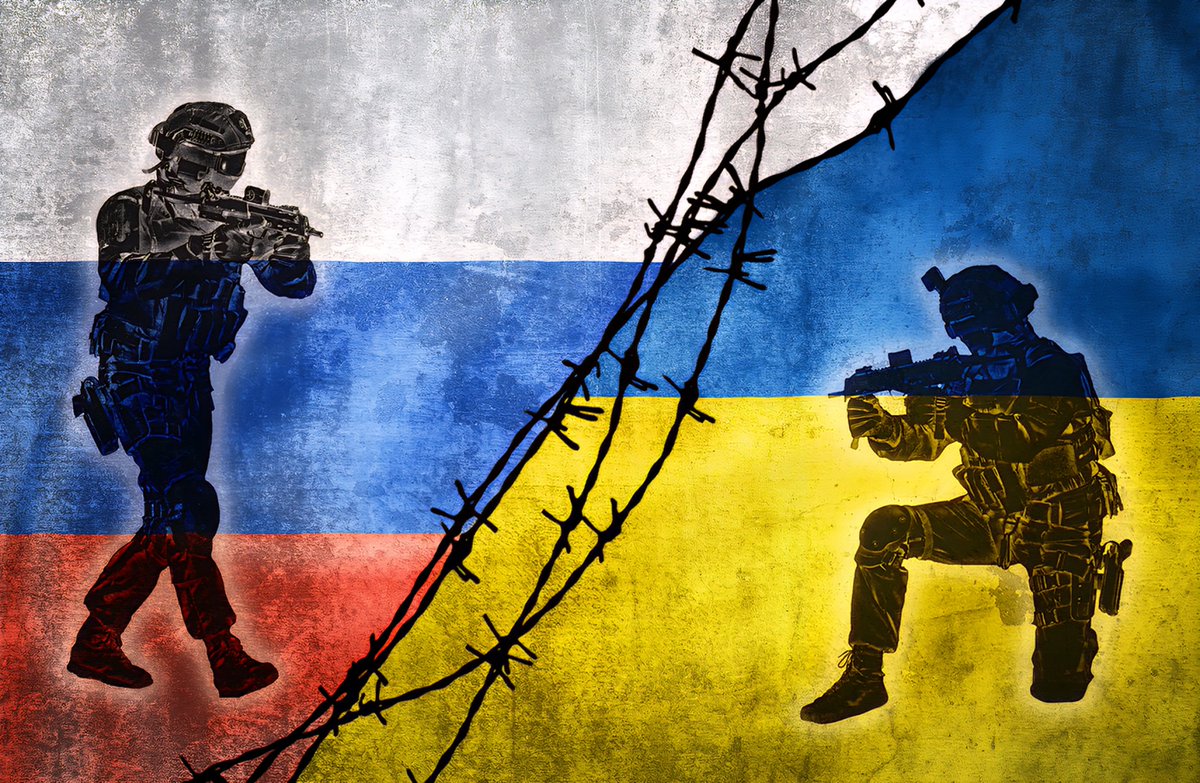
Russia remains at the top of the list of least peaceful nations in 2025. Its ongoing conflict with Ukraine, coupled with internal unrest, continues to destabilize the region. Military engagements and geopolitical tensions have made Russia a focal point of global concern.
2. Ukraine
Following closely is Ukraine, where the war with Russia has persisted for over a year. Despite international efforts to cease hostilities, the situation remains tense, contributing to widespread violence and displacement.
3. Sudan
Sudan’s political upheaval post-revolution has led to continued unrest. Clashes between government factions and former rebel groups have hindered efforts toward peace and stability, resulting in a perilous environment for its citizens.
4. Democratic Republic of the Congo (DR Congo)
The DR Congo faces persistent conflict over resource control, ethnic tensions, and weak governance. Violence continues in several regions, undermining development and security.
5. Yemen
Yemen’s prolonged civil war has created one of the worst humanitarian crises in the world. Fragmented factions, external interventions, and famine compound the nation’s instability.
6. Afghanistan
Despite shifts in political power, Afghanistan remains embroiled in violence. The resurgence of insurgent groups and ongoing insurgencies undermine efforts to establish peace.
7. Syria
Syria’s decade-long conflict has created a fractured social fabric. Ongoing battles, displaced populations, and foreign interventions mark Syria as one of the most tumultuous nations today.
8. South Sudan
South Sudan continues to grapple with internal conflicts, ethnic violence, and economic hardships, all of which impede progress towards peace.
9. Israel
Tensions between Israel and Palestine persist, with frequent flare-ups of violence and political instability exacerbating the fragile peace in the region.
10. Mali
In Mali, insurgencies, terrorism, and military coups contribute to ongoing insecurity, defying efforts to restore stability.
11. Myanmar
Post-coup unrest and civil conflict have engulfed Myanmar, leading to widespread human rights abuses and instability.
12. Burkina Faso
Terrorism and ethnic violence have destabilized Burkina Faso, making peace elusive amidst ongoing insecurity.
13. Somalia
Years of conflict, drought, and political instability keep Somalia high on the list. Piracy and terrorism further complicate peace efforts.
14. Central African Republic (CAR)
The CAR faces recurring violence due to political conflicts and militia activity, hampering recovery and stability.
15. North Korea
North Korea’s nuclear ambitions and internal repression contribute to regional instability, making it one of the least peaceful nations.
16. Nigeria
Terrorism, insurgency, and communal violence persist across Nigeria, impacting millions and stalling development.
17. Iraq
Despite ongoing efforts, Iraq continues to experience sectarian violence and insurgent activity that threaten national security.
18. Turkey
Internal political disputes, Kurdish conflicts, and border tensions position Turkey toward the bottom of peaceful nations.
19. Palestine
The Israeli-Palestinian conflict remains a core source of instability, affecting peace prospects in the region.
20. Pakistan
Terrorism, insurgency, and political turmoil characterize Pakistan’s ongoing challenges, impacting regional stability.
21. Niger
Niger faces threats from extremism and instability in neighboring regions, complicating its internal peace efforts.
22. Iran
Regional tensions, internal dissent, and nuclear negotiations influence Iran’s peace outlook.
23. Haiti
Political unrest, gang violence, and economic instability continue to plague Haiti, hindering development and safety.
24. Colombia
Despite recent peace accords, violence over drug trafficking and insurgent groups still destabilize parts of Colombia.
25. Venezuela
Economic collapse, political crises, and social unrest have turned Venezuela into a hotspot for instability.
26. Ethiopia
Ethiopia’s civil war, especially in Tigray, and ethnic conflicts have severely impacted regional stability.
27. Cameroon
Boko Haram activity and internal unrest challenge Cameroon’s security environment.
28. Lebanon
Economic collapse, political crises, and refugee influxes contribute to Lebanon’s instability.
29. Mexico
Organized crime and drug cartels continue to fuel violence, especially in certain regions of Mexico.
30. Chad
Border conflicts and insurgent activity make Chad susceptible to ongoing unrest and instability.
The road ahead remains challenging for these nations, with complex political, social, and economic issues intertwined with ongoing conflict. International cooperation and effective local governance are critical to turning the tide towards peace in these critically unstable regions.
Source: Global Peace Index 2025
 ChatGPT
 Perplexity
 Gemini AI
 Grok AI