Select Language:
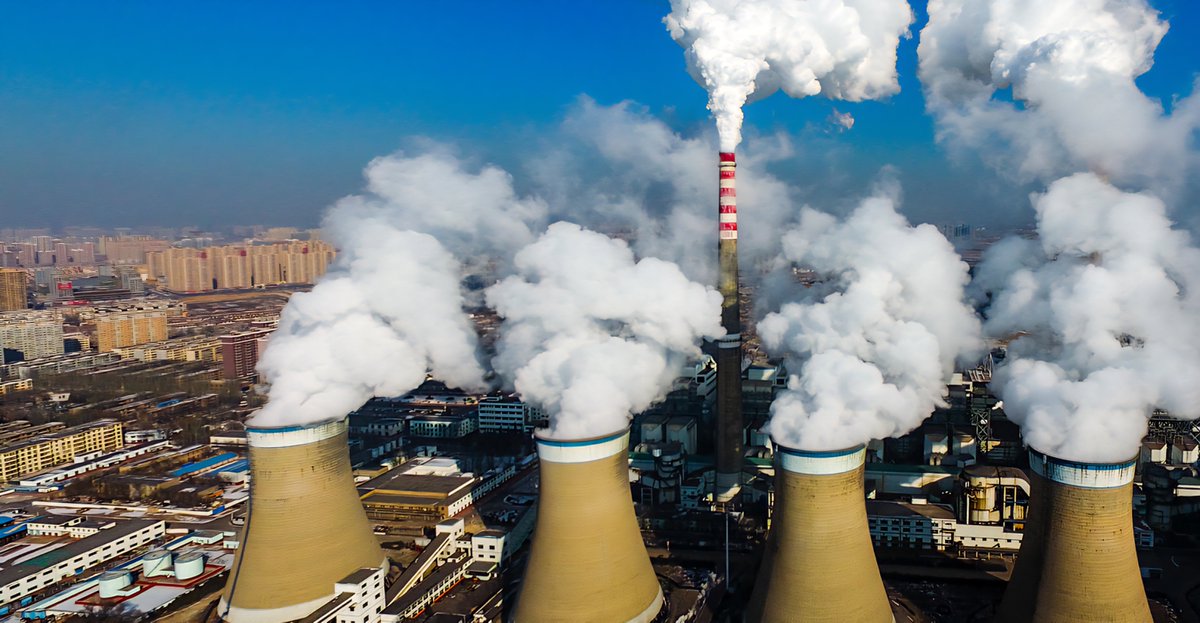
The World’s Leading Countries in Electricity Generation: 2025 Breakdown
1. China Dominates Global Power Generation
China continues to lead the world with an astounding total capacity of approximately 2.95 trillion kilowatts (kW). Its vast energy infrastructure supports its massive population and industrial needs, showcasing rapid growth in renewable energy and nuclear power alongside traditional coal plants. The country’s strategic investments aim to reduce pollution and transition towards cleaner energy sources.
2. The United States Maintains Its Position as a Powerhouse
With a capacity of over 1.24 trillion kW, the United States remains the second-largest electricity producer worldwide. The U.S. benefits from a diverse energy portfolio, including significant contributions from natural gas, coal, nuclear, and renewable energy sources like solar and wind. Recent advancements focus on grid modernization and expanding clean energy capacity to meet climate commitments.
3. Rapid Growth in India and the Shift to Renewable Energy
India’s capacity has reached approximately 499 million kW, reflecting swift expansion driven largely by solar and wind projects. As the world’s third-largest producer, India is actively investing in renewable infrastructure to reduce reliance on coal and meet its ambitious clean energy targets amid soaring demand.
4. Japan and Russia: Steady Contributors to the Grid
Japan’s capacity stands at around 362 million kW, supported by nuclear, hydro, and renewable projects, despite post-Fukushima nuclear policy adjustments. Russia’s capacity of roughly 302 million kW underscores its reliance on natural gas and hydroelectric power, with evolving plans to include more renewables.
5. European Powerhouses: Germany, France, and the UK
Germany’s capacity has increased to approximately 276 million kW, with significant investment in wind and solar energy. France continues to leverage nuclear power with a capacity close to 151 million kW, aiming for a low-carbon future. The United Kingdom, with about 115 million kW, is rapidly expanding offshore wind farms and other renewables.
6. Latin America’s Major Contributors: Brazil and Mexico
Brazil remains a top producer with roughly 240 million kW, largely due to its extensive hydroelectric facilities, including the famed Itaipu Dam. Mexico has a capacity of around 106 million kW, investing heavily in solar and wind energy to diversify its energy mix.
7. Canada and Australia: Rich in Natural Resources
Canada’s capacity of nearly 162 million kW demonstrates its reliance on hydroelectric power, making it a leader in clean energy within North America. Australia, with about 108 million kW, is rapidly expanding its solar and wind projects, aiming to reduce dependence on coal.
8. Middle Eastern and Asian Giants Make Significant Strides
Saudi Arabia, with 120 million kW, is investing heavily in solar energy as part of its Vision 2030 plan. South Korea and Italy, with capacities around 151,000 kW each, continue to push renewable projects. Vietnam, Indonesia, and Turkey are also rising as key Asian energy producers, expanding their renewable sectors.
9. Strategic European and African Players
South Africa exceeds 66 million kW, primarily powered by coal and hydroelectric plants, planning to transition toward renewables. Egypt and Thailand are also increasing their capacity, emphasizing solar power due to abundant sunlight.
10. A Look at Smaller but Growing Markets
Argentina and the United Arab Emirates (UAE) hold capacities of approximately 48 million kW and 44 million kW, respectively. These nations are investing in solar and wind, signaling a shift toward greener energy sources for future sustainability.
Source: The World FactBook 2025
As the landscape of global energy continues to evolve, nations are increasingly focusing on renewable sources, technological innovation, and grid resilience to meet the growing demand for clean, reliable power.
 ChatGPT
 Perplexity
 Gemini AI
 Grok AI