Select Language:
Key Regions Powering Over Half of the Global Economy in 2025
The United States: The Leading Economic Power
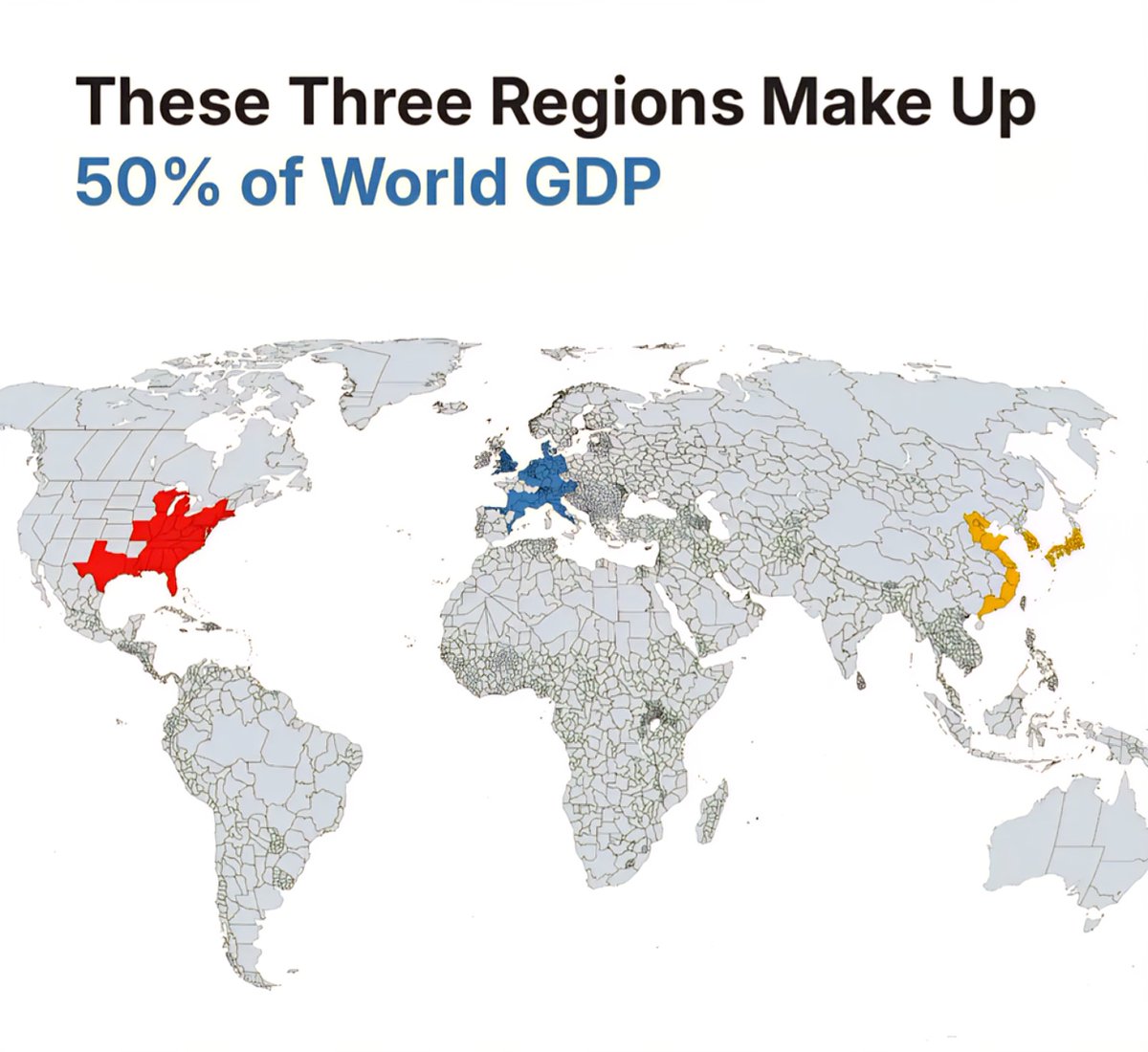
In 2025, the United States continues to dominate the global economic landscape, contributing approximately 24% of the world’s gross domestic product (GDP). The U.S. economy’s strength lies in its diverse industries, including technology, finance, healthcare, and manufacturing. Major tech giants like Apple, Google, and Microsoft have helped maintain the country’s economic vigor, while the financial sector remains a critical driver.
U.S. innovation in artificial intelligence, green energy, and biotech sectors further cements its position at the top. Despite some challenges related to inflation and political polarization, the resilience of the American economy keeps it at the forefront of global economic influence.
Asian Titans: China, Japan, and South Korea
Asian economies are collectively responsible for nearly 20% of the world’s GDP, with China, Japan, and South Korea leading the charge.
China: The Economic Engine in Transition
China remains a pivotal global economy, with its rapid growth driven by advancements in technology, infrastructure, and manufacturing. The nation is heavily investing in sustainable energy and high-tech sectors, including semiconductor production and electric vehicles. While growth has slowed compared to previous decades, China’s market size and consumer base continue to make it a vital economic player.
Japan: Sustained Innovation and Stability
Japan maintains a robust economy thanks to its leadership in robotics, automotive, and electronics manufacturing. Despite demographic challenges, Japan’s emphasis on innovation and high-quality exports keeps it firmly among the world’s top economies.
South Korea: Tech and Innovation Hub
South Korea’s emphasis on technology and exports makes it a powerhouse in semiconductors, consumer electronics, and shipbuilding. Companies like Samsung and Hyundai spearhead Korea’s economic growth, fueling advancements in AI, renewable energy, and biotech.
Europe’s Economic Consortium: The EU’s Core Countries
Representing approximately 12% of the world’s GDP, Europe’s economy is primarily powered by Germany, the United Kingdom, France, Italy, Spain, and several smaller nations.
Germany: Europe’s Manufacturing Hub
Germany’s reputation as a global leader in engineering, automotive manufacturing, and industrial machinery sustains its economic stature. The country is also investing heavily in renewable energy and digital transformation to adapt to the changing economic landscape.
UK and France: Financial and Cultural Powerhouses
The UK remains a significant global financial center in London, with a strong service sector. France, with its diversified economy and thriving tourism industry, continues to hold its position among Europe’s top economies.
Italy, Spain, and the Rest
Italy and Spain contribute through fashion, automotive, and tourism sectors, while countries like the Netherlands, Belgium, Austria, Switzerland, Denmark, Luxembourg, Liechtenstein, Andorra, Monaco, San Marino, and others bolster Europe’s overall economic strength with specialized industries ranging from finance and pharmaceuticals to high-end manufacturing.
The Broader Impact: Interconnected Economies
The collective economic activity from these regions underscores the interconnected nature of today’s global economy. While the U.S. leads, a resilient and innovative Asia and a robust Europe shape the future economic landscape. Policymakers, investors, and businesses worldwide closely monitor developments in these regions to anticipate growth trends, technological advancements, and geopolitical shifts.
As of 2025, the global economy continues to evolve, with these key regions at the helm, shaping the financial future of the world through innovation, resilience, and strategic investments.
 ChatGPT
 Perplexity
 Gemini AI
 Grok AI