Select Language:
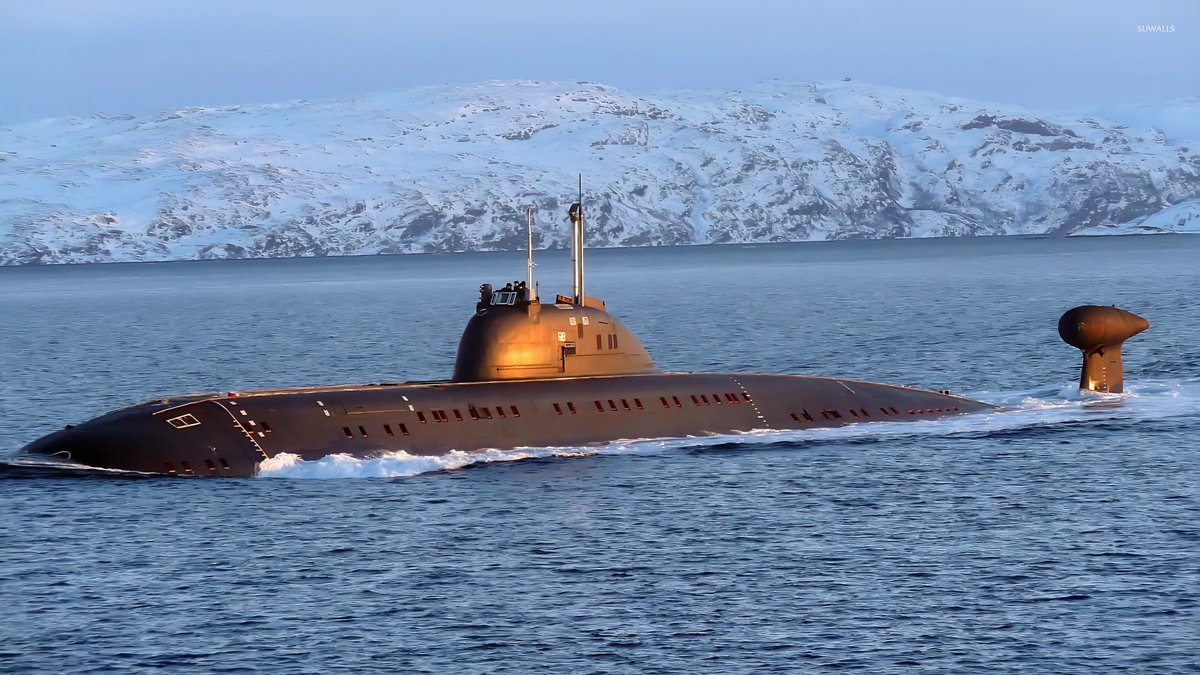
The Top 16 Countries with the Largest Submarine Fleets in 2025
1. United States: Leading the World with 70 Submarines
The United States maintains the largest submarine fleet in the world in 2025, with a total of 70 submarines. This fleet includes a strategic mix of ballistic missile submarines (SSBNs) for nuclear deterrence and attack submarines (SSNs and SSGNs) capable of offensive operations across global waters. The U.S. Navy’s submarine fleet plays a critical role in maintaining national security, power projection, and underwater dominance. The advanced sophistication and technological edge of American submarines continually reinforce its leadership in naval warfare.
2. Russia: A Robust Fleet of 63 Submarines
Russia holds the second spot globally with 63 submarines. The Russian submarine fleet is heavily focused on nuclear-powered submarines, including multiple classes of ballistic missile and attack submarines. Over recent years, Moscow has prioritized modernizing its submarine capabilities, with new submarines like the Borei and Yasen classes enhancing its strategic deterrence and underwater combat capacity. Russia’s submarine fleet remains a key component of its maritime military doctrine.
3. China: Rapid Expansion with 61 Submarines
China has surged into the third position, boasting a fleet of 61 submarines, making it one of the fastest-growing submarine forces worldwide. The Chinese navy has developed a range of submarine classes, including nuclear and conventional types, with recent investments boosting its offshore capabilities. The development of submarine-launched ballistic missiles (SLBMs) and the modernization of its fleet shows Beijing’s intent to challenge American naval dominance and expand its regional influence.
4. Iran: Strategic Submarine Fleet of 25
Iran’s submarine fleet comprises 25 vessels, mainly based on diesel-electric models. Though smaller in size compared to superpower fleets, Iran’s submarines are vital for asymmetric naval strategies in the Persian Gulf. Iran continues to upgrade its submarines and develop indigenous submarine technology as part of its defense strategy to deter regional adversaries and secure Strait of Hormuz traffic.
5. Japan: 24 Highly Advanced Submarines
Japan operates 24 modern submarines, heavily reliant on advancements in stealth, sensor, and missile technology. As an island nation with no offensive marine ambitions but a focus on self-defense, Japan’s submarine fleet ensures protection of its waters and strategic deterrence amid regional tensions. Japan’s submarines are among the most technologically sophisticated in the world, with ongoing upgrades to maintain maritime security.
6. South Korea: 22 Submarines Focused on Regional Security
South Korea’s fleet of 22 submarines underscores its commitment to deterring North Korean aggression and safeguarding regional waters. The South Korean Navy has adopted advanced submarines, including domestically produced models like the AIP (Air-Independent Propulsion) equipped subs, expanding its underwater stealth capabilities and enhancing its maritime border security.
7. India: Growing Submarine Capabilities with 18 Vessels
India has 18 submarines, with an emphasis on expanding its blue-water navy and enhancing regional security. India’s submarine fleet includes both conventional and nuclear-powered attack submarines, alongside the indigenous INS Arihant class ballistic missile submarines. The country is actively working on new submarine projects, including the construction of additional nuclear and conventional submarines, to bolster its maritime defenses in the Indian Ocean.
8. North Korea: An Asymmetrically Sized Fleet of 13
North Korea maintains 13 submarines, primarily for coastal defense and asymmetric warfare. Its submarine fleet mainly comprises diesel-electric subs, with ongoing efforts to develop and possibly deploy more advanced submarines capable of supporting missile launches and covert operations. Due to limited resources, North Korea’s submarine capabilities remain modest but strategically significant for regional deterrence.
9. Turkey and Greece: Tied with 10 and 9 Submarines Respectively
Turkey and Greece are regional naval powers with 10 and 9 submarines each. Turkey’s fleet emphasizes modern diesel-electric submarines, crucial for safeguarding NATO interests in the Mediterranean and Aegean Seas. Greece, with its historically tense relationship with Turkey, maintains a strategic submarine force to secure its maritime borders and regional influence.
10. France, United Kingdom, and Vietnam: Small But Significant Fleets
In 2025, France and the UK each operate 9 submarines, with these nuclear-armed and attack submarines integral to their national defense and nuclear deterrence strategy. Vietnam, with 9 submarines, primarily relies on diesel-electric vessels to protect its maritime sovereignty amid ongoing regional disputes in Southeast Asia.
11. Egypt and Italy: 8 Submarines Each
Egypt and Italy each operate 8 submarines. Egypt’s fleet is vital for securing the Suez Canal and controlling access to the Red Sea, while Italy’s submarines focus on Mediterranean patrols and NATO operations, emphasizing technological sophistication and regional security.
12. Pakistan: Maintaining 8 Submarines
Pakistan’s 8 submarines are central to its strategic deterrence stance, particularly against India. The country continues to modernize its submarine fleet through acquisitions and indigenous build programs, aiming to project power across the Indian Ocean and secure its maritime interests.
The global submarine landscape in 2025 highlights a blend of technological advancements, strategic priorities, and regional rivalries, painting a picture of underwater power dynamics that continue to evolve rapidly.
Source: Global Firepower
 ChatGPT
 Perplexity
 Gemini AI
 Grok AI