Select Language:
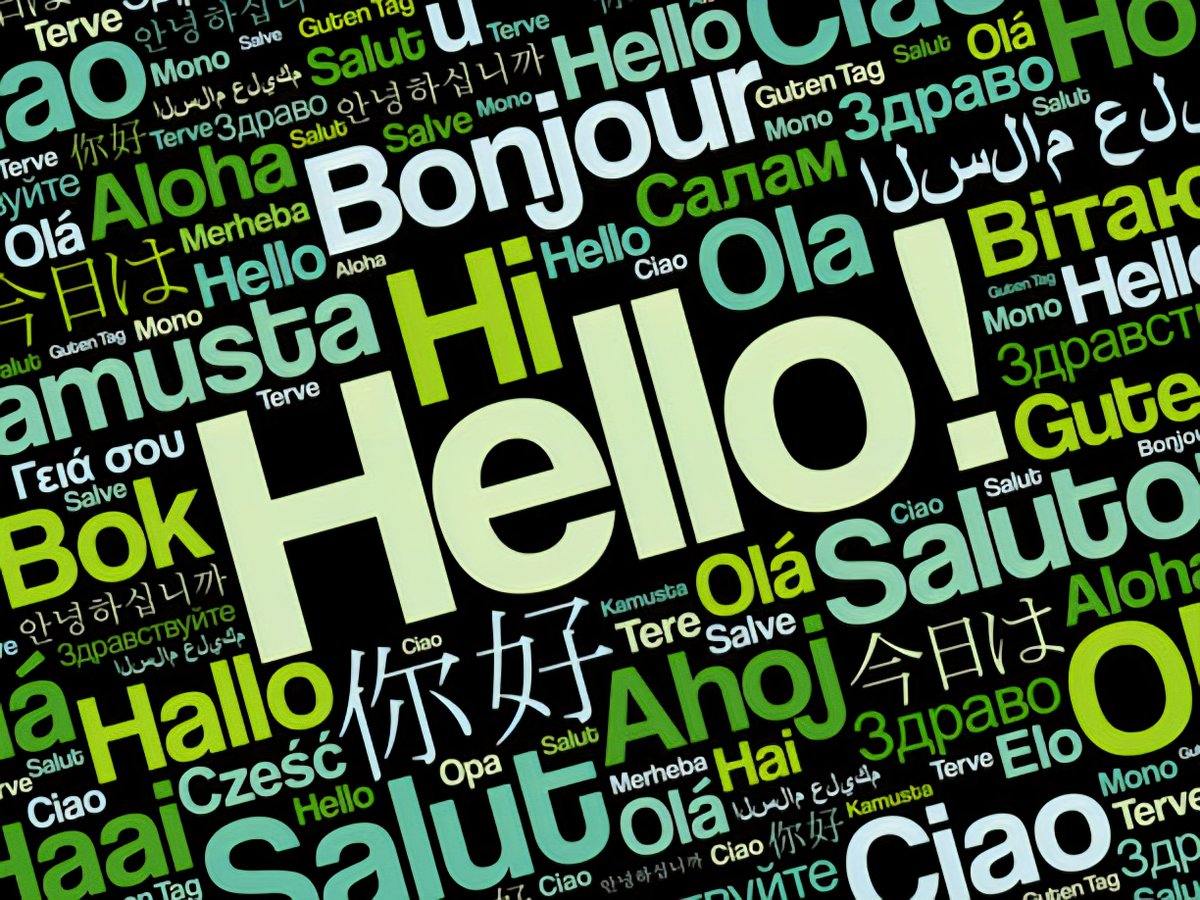
The 25 Most Spoken Languages in 2025: A Global Snapshot
1. English Dominates With Over 1.5 Billion Speakers
English remains the most widely spoken language in 2025, with approximately 1.5 billion speakers worldwide. Its pervasive use across international business, technology, and entertainment cements its status as the global lingua franca. From CEOs to internet users, English continues to serve as a bridge connecting diverse communities across continents.
2. Mandarin Chinese Continues Its Rise
With around 1.2 billion speakers, Mandarin Chinese is the second most spoken language today. China’s economic growth and increasing global influence have contributed to the language’s proliferation, especially as more learners worldwide seek to master Mandarin for business and cultural exchanges.
3. Hindi Surges with Over 600 Million Speakers
Hindi speakers number approximately 609 million, reflecting India’s population boom and the nation’s expanding cultural footprint. As India solidifies its position on the world stage, Hindi’s influence extends beyond its borders, aided by Bollywood, technology, and international diplomacy.
4. Spanish’s Broad Reach
With 558 million speakers, Spanish remains a dominant language across the Americas, parts of Europe, and growing communities in Africa and Asia. Its rich cultural roots and global diaspora keep Spanish central to international arts, politics, and commerce.
5. Standard Arabic and Its Influence
Standard Arabic is spoken by approximately 335 million people, primarily across the Middle East and North Africa. The language’s significance is amplified by the region’s geopolitical importance and the widespread use of Arabic in religious, governmental, and media contexts.
6. French’s Enduring Global Presence
French remains a vital language with roughly 312 million speakers, from Europe to Africa, the Caribbean, and parts of Asia. Its historical ties, diplomatic importance, and cultural exports sustain French’s relevance in an increasingly interconnected world.
7. Bengali’s Rising Numbers
With about 284 million speakers, Bengali continues to grow, particularly in Bangladesh and the Indian states of West Bengal and Tripura. Increased literacy and technological accessibility fuel its expansion.
8. Portuguese’s Continued Reach
Portuguese speakers number around 267 million, driven by Brazil’s economic growth and Portugal’s cultural influence. Lusophone countries are expanding their presence in global markets and international forums.
9. Russian’s Strategic Role
Approximately 253 million people speak Russian, not only within Russia but across post-Soviet states. Russia’s political and economic strategies ensure Russian remains a significant language on the world stage.
10. Indonesian’s Growing Voice
With 252 million speakers, Indonesian is the lingua franca of Southeast Asia. Its strategic location and economic development make Indonesian increasingly relevant in regional diplomacy and commerce.
11. Urdu’s Expanding Footprint
Urdu, spoken by an estimated 246 million, is prominent in Pakistan and parts of India and the Middle East. Cultural exports and political ties bolster its global visibility.
12. German’s Status in Europe
With around 134 million speakers, German remains Europe’s most spoken language. Its role in the European Union, science, and technology perpetuates its influence.
13. Japanese’s Continued Cultural Magnetism
Japan’s language is spoken by roughly 126 million people. Behind its technological innovations and pop culture exports, Japanese sustains a significant cultural impact worldwide.
14. Nigerian Pidgin’s Growing Popularity
Spoken by 121 million, Nigerian Pidgin is an essential lingua franca in West Africa, especially Nigeria’s vibrant entertainment and entrepreneurial sectors.
15. Egyptian Arabic’s Regional Significance
With approximately 119 million speakers, Egyptian Arabic plays a critical role across North Africa and the Middle East, especially through media, music, and film.
16. Marathi’s Expanding Presence
Marathi, with 99 million speakers, primarily in India’s state of Maharashtra, is experiencing increased cultural and literary prominence.
17. Vietnamese’s Emerging Influence
Vietnamese has around 97 million speakers, with rising economic stature and integration into global supply chains boosting its importance.
18. Telugu’s Increasing Reach
Spoken by 96 million people, primarily in southern India, Telugu’s linguistic and cultural presence is expanding, contributing to regional diversity.
19. Hausa’s Strategic Role in West Africa
With 94 million speakers, Hausa serves as a lingua franca in West Africa, cementing its importance in trade, governance, and inter-community communication.
20. Turkish’s Regional Power
Approximately 91 million people speak Turkish. Its geopolitical significance and cultural heritage make Turkish a key language in Eurasia.
21. Western Punjabi’s Cultural Legacy
Speaking to 90 million individuals, Western Punjabi remains influential in Pakistan and diaspora communities, sustaining cultural traditions and social ties.
22. Swahili’s Growing Regional Relevance
With 87 million speakers, Swahili is central to East African communication, education, and trade, reinforcing its regional importance.
23. Tagalog’s Expanding Global Footprint
Tagalog, spoken by 87 million, is a reflection of the Filipino diaspora’s strength, especially in North America and the Middle East.
24. Tamil’s Rich Heritage
Approximately 86 million speakers uphold Tamil’s classical literature, cultural identity, and regional influence in South Asia and diaspora communities.
25. Yue Chinese’s Economic Significance
Yue Chinese, including Cantonese, is spoken by an estimated 86 million, especially in southern China and overseas Chinese communities worldwide.
Figures are rounded estimates, based on the latest Ethnologue report for 2025.
 ChatGPT
 Perplexity
 Gemini AI
 Grok AI