Select Language:
2025’s Most Influential Naval Forces Around the Globe
-
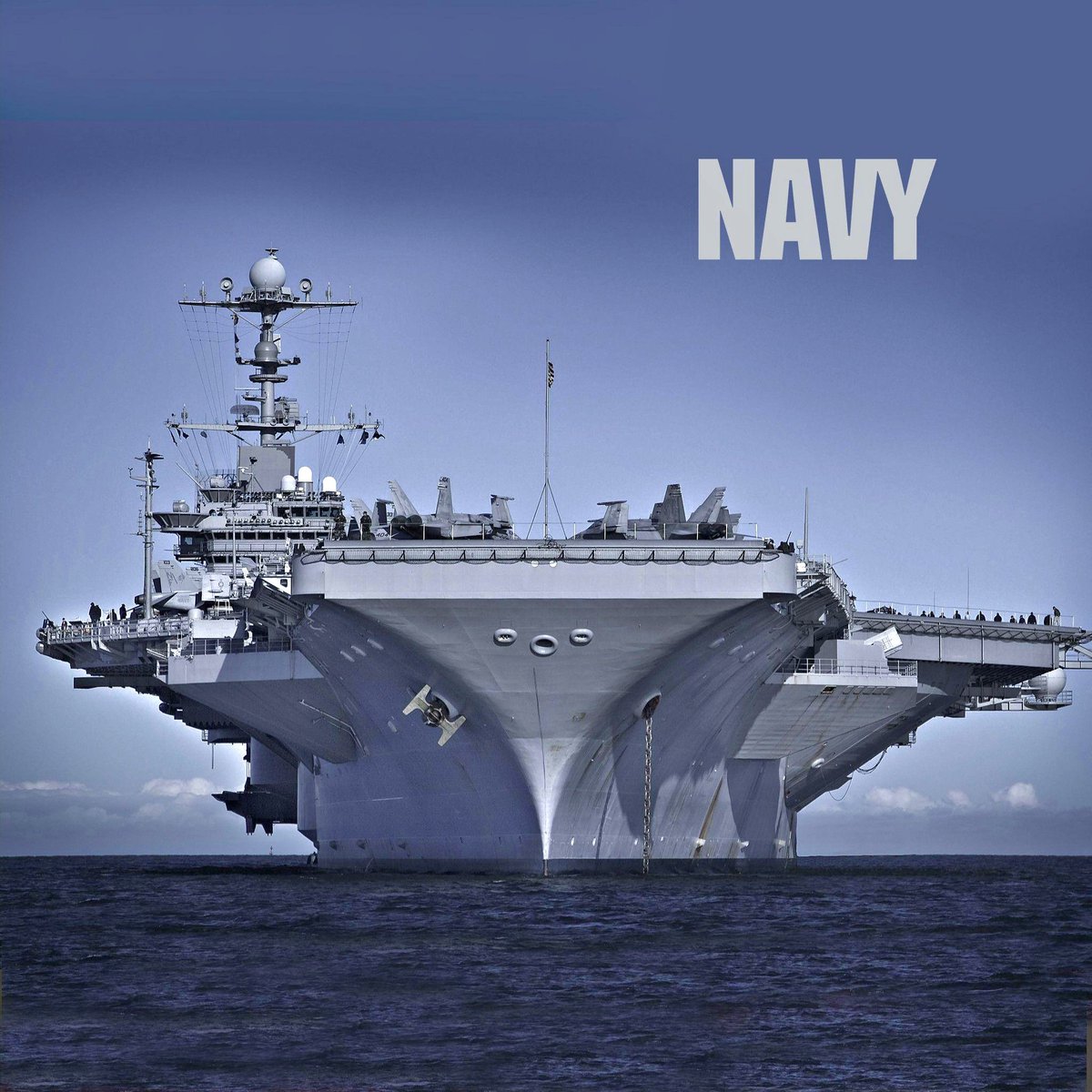
United States Navy Dominates the Seas
The U.S. Navy remains undisputed as the strongest maritime force in 2025, boasting the world’s largest fleet of modern aircraft carriers, submarines, and advanced combat ships. Its global reach and nuclear capabilities ensure dominance in critical international waters, reinforcing America’s strategic interests worldwide.
-
China’s Rapid Naval Expansion
The People’s Liberation Army Navy has surged in capabilities, rapidly modernizing its fleet. With a focus on anti-access/area denial (A2/AD) strategies, China has added state-of-the-art destroyers, submarines, and replenishment ships, extending its influence across the Indo-Pacific region.
-
Russia Reinforces Its Naval Strength
Russia’s Navy, emphasizing strategic missile submarines and cruiser-centric fleets, continues to project power primarily in Europe and the Arctic. Recent upgrades to its ballistic missile subs and surface ships highlight its commitment to maintaining a formidable maritime posture.
-
Indonesia’s Growing Maritime Power
As Southeast Asia’s largest archipelago, Indonesia has invested heavily in expanding its naval forces. Modernizing its fleet with new corvettes and patrol vessels, Indonesia aims to secure its maritime borders and bolster regional security amid rising regional tensions.
-
South Korea’s Advanced Naval Fleet
The Republic of Korea Navy has enhanced its capabilities, particularly in anti-submarine warfare and surface combat. Its swift modernization efforts are aimed at countering North Korean threats and asserting dominance in the Yellow Sea and beyond.
-
Japan’s Maritime Self-Defense Force Remains Resilient
Japan continues to strengthen its navy with cutting-edge destroyers, amphibious ships, and patrol vessels. Its strategic focus remains on protecting its islands and maintaining stability in the East China Sea.
-
India’s Expanding Maritime Presence
India’s Navy is rapidly expanding, focusing on aircraft carriers, submarines, and amphibious warfare ships. Its strategic initiatives aim to secure the Indian Ocean and counter China’s growing presence in the region.
-
France’s Naval Capabilities
France’s fleet includes nuclear submarines, amphibious assault ships, and destroyers. Its global naval operations in Africa, the Caribbean, and the Indian Ocean exemplify its enduring maritime influence.
-
United Kingdom’s Royal Navy Rebounds
The UK has invested in new aircraft carriers, nuclear submarines, and frigates, revitalizing its naval power. Its strategic focus emphasizes maintaining a flexible and responsive force capable of global engagements.
-
Turkey’s Naval Modernization
Turkey has accelerated its naval modernization with the addition of new frigates, submarines, and coastal defense systems. Its ambitions include strengthening regional dominance in the Eastern Mediterranean and Aegean Seas.
-
Italy and Spain Bolster European Naval Presence
Both nations have upgraded their fleets with advanced stealth ships and amphibious units, aligning with NATO’s strategic objectives and regional security commitments.
-
Taiwan’s Naval Resilience
Despite limited resources, Taiwan’s navy is focused on domestic shipbuilding and missile defense systems to deter potential aggressors and safeguard its territorial waters.
-
Egypt and North Africa’s Naval Focus
Egypt leads North Africa with reliance on modern frigates and submarines to control the strategic Suez Canal and boost regional maritime security.
-
North Korea’s Naval Developments
North Korea continues developing its submarine fleet and missile capabilities, aiming to increase asymmetrical threats against neighboring countries.
-
Algeria and the Maghreb’s Naval Modernization
Algeria has expanded its naval fleet to secure its Atlantic coast and bolster regional influence through new frigates and patrol vessels.
-
Bangladesh and Southeast Asian Maritime Strategies
Bangladesh is improving its patrol and corvette fleet to protect the Bay of Bengal and ensure security along vital shipping routes.
-
European Naval Powerhouses: Spain, Germany, Greece, and Canada
These nations maintain strong, versatile navies focused on regional stability, NATO cooperation, and international peacekeeping missions.
-
Iran’s Strategic Naval Posture
Iran continues developing its asymmetric naval capabilities, focusing on fast attack craft and ballistic missile submarines to challenge regional rivals.
-
Australia and Southeast Asia’s Maritime Defense
Australia’s navy is modernizing with new submarines and frigates, primarily to secure its vast maritime borders and participate actively in Indo-Pacific security strategies.
-
Thailand and Greece Enhance Regional Presence
Both nations focus on expanding their patrol and amphibious capabilities to safeguard vital ports and regional interests.
-
Canada and Singapore’s Focus on Peacekeeping and Commerce
Canada’s navy emphasizes Arctic sovereignty and international peacekeeping, while Singapore secures key trade lanes in Southeast Asia.
-
Brazil’s Strategic Naval Growth
Brazil is investing in advanced frigates and submarines to protect its Atlantic coast and bolster regional influence in South America.
The evolving landscape of naval power reflects shifting geopolitical priorities and the relentless pursuit of maritime dominance in 2025.
 ChatGPT
 Perplexity
 Gemini AI
 Grok AI