Select Language:
1. The United States Maintains Its Dominance
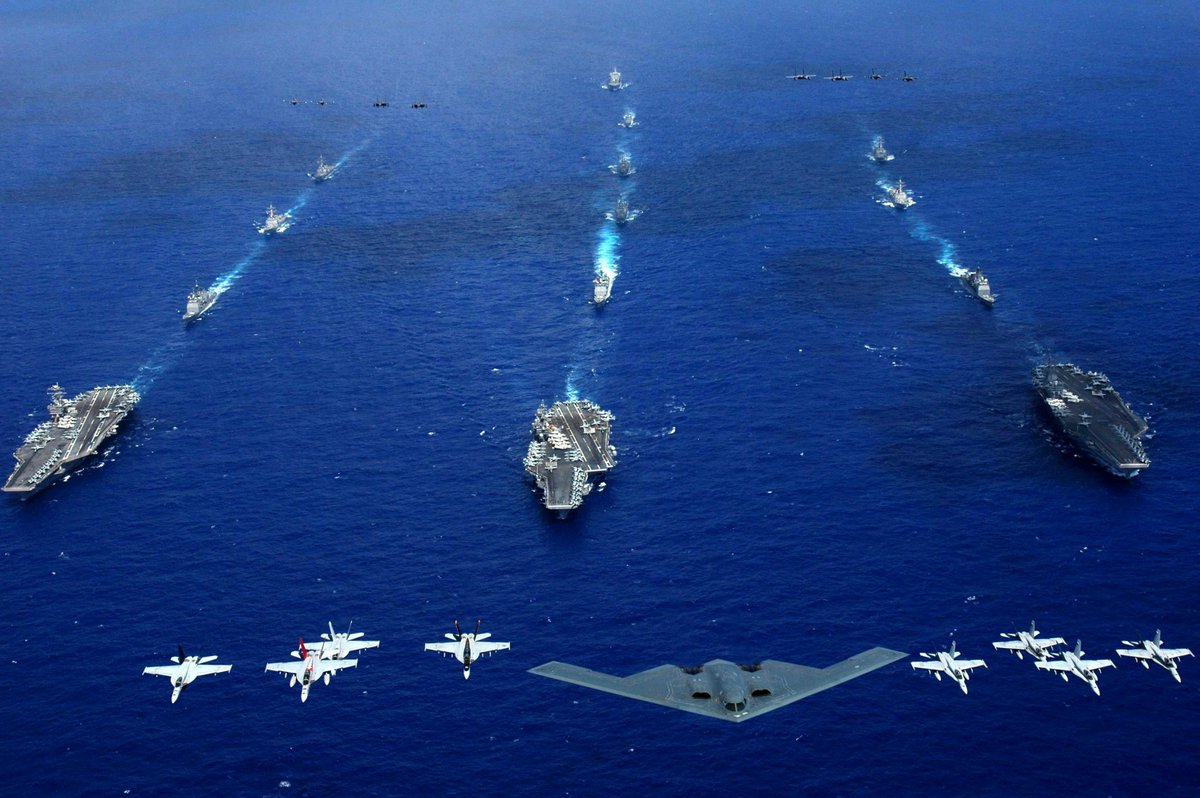
America secures the top spot once again in 2026, leveraging its unparalleled military technology, extensive global presence, and formidable defense budget. The U.S. continuously invests in cutting-edge innovations like cyber warfare capabilities and next-generation stealth aircraft, reinforcing its position as the world’s most powerful military force. Its network of alliances, including NATO, further amplifies its strategic reach, making it a key player in maintaining international stability.
2. Russia’s Resurgence as a Military Power
Russia has solidified its position as the second strongest military in the world. The nation has modernized its armed forces with advancements in missile technology, cyber warfare, and nuclear capabilities. Russia’s emphasis on asymmetric warfare tactics and regional influence in Eastern Europe and the Middle East underscores its strategic vitality. The country’s focus on resilience and technological innovation has kept it at the forefront of military power in 2025.
3. China’s Rapid Military Expansion
China’s military growth continues to impress and challenge traditional powers, ranking third on the list. Beijing’s Belt and Road Initiative now extends a military dimension, emphasizing maritime prowess and missile technology. Its increasing defense budget supports developing aircraft carriers, stealth fighters, and advanced drone systems. China’s strategic focus on technological sovereignty underscores its aim to establish regional dominance and project power globally.
4. India’s Defense Modernization
India emerges as a formidable military force, reflecting its strategic focus on modernization and indigenization. Strengthening its navy with new submarines and aircraft carriers, along with advancements in missile systems, India is working toward regional security. The nation’s expanding defense budget and technological collaborations with countries like Israel and the United States underpin its growing military capabilities.
5. South Korea’s Strategic Readiness
South Korea continues to fortify its defense against North Korea’s unpredictable threats. It has invested heavily in missile defense systems, joint military exercises with allies, and advanced technology like artificial intelligence to enhance battlefield awareness. As a strategic buffer in East Asia, South Korea’s military remains highly prepared, developing capabilities that align with its regional security priorities.
6. France’s Naval and Nuclear Power
France maintains its status as a leading European military power with upgraded naval fleets and nuclear deterrent capabilities. Its participation in NATO missions and commitments to global peacekeeping bolster its influence. Continued investment in cyber security and modernized land forces ensures France remains a significant military actor in 2025.
7. Japan’s Technological Superiority
Japan stands out with its technological innovation and defense partnerships in the Asia-Pacific. Its emphasis on missile defense systems and advanced robotics for military applications showcases its strategic priorities. The nation’s commitment to self-defense and regional stability keeps it among the top-tier forces globally.
8. The United Kingdom’s Global Reach
The UK sustains a naval and air force that’s prepared for diverse missions worldwide. With an ongoing modernization of its navy and investments in cyber warfare, the United Kingdom emphasizes flexible, rapid-deployment capabilities. Its historical alliances and strategic overseas bases boost its overall military strength.
9. Turkey’s Regional Fortification
Turkey’s military modernization focuses heavily on enhancing its drone technology and ground forces. Its geographic position as a bridge between Europe and Asia offers strategic advantages. Initiatives like domestically produced missile systems and a robust navy aim to strengthen its regional influence.
10. Italy’s Marine Power and Tech Investments
Italy maintains a capable navy with advanced submarines and patrol vessels. Investment in new technology, including surveillance and communications, ensures Italy’s naval dominance in the Mediterranean. Its commitment to NATO operations and peacekeeping missions reinforces its military relevance.
11. Brazil’s Growing Military Capabilities
Brazil has expanded its military assets with new submarines and aircraft, aligning with regional security needs in South America. Its focus on modernizing defense infrastructure and fostering military diplomacy enhances its regional influence.
12. Germany’s Defensive Strength
Germany emphasizes military modernization, cyber defense, and international peacekeeping. Its advanced armored vehicles and technological research sustain its top-tier status within Europe. Contributing significantly to NATO, Germany’s military architecture supports stability on the continent.
13. Indonesia’s Maritime and Land Forces
Indonesia reinforces its naval fleet and ground forces to safeguard vital trade routes and regional interests. Strategic investments in missile technology and troop training programs bolster its defense posture in Southeast Asia.
14. Pakistan’s Defense Expansion
Pakistan advances its missile technology and cyber warfare capabilities, focusing on regional security dynamics with India. Its strategic investments reflect a desire to sustain a credible deterrence and enhance homeland security.
15. Israel’s Cutting-Edge Military Technology
Israel’s military remains highly advanced with innovative defense systems like the Iron Dome and sophisticated cybersecurity infrastructure. Its focus on preemptive security measures continues to keep it at the forefront of regional military power.
16. Iran’s Asymmetric Warfare Focus
Iran enhances its missile arsenal and cyber warfare abilities, emphasizing asymmetric tactics to offset conventional disadvantages. Strategic alliances with regional allies bolster its defensive and offensive operations.
17. Australia’s Indo-Pacific Focus
Australia’s investments in submarines, naval assets, and cyber defense aim to ensure sovereignty and regional stability. Strengthening alliances with key partners supports its strategic objectives in the Indo-Pacific.
18. Spain’s Naval Modernization
Spain continues updating its naval fleet, with investments in submarines and missile systems. Its contribution to NATO peacekeeping and regional stability efforts maintains its position among top European militaries.
19. Egypt’s Regional Military Presence
Egypt invests in air force upgrades and advanced missile systems to secure its borders and influence in North Africa and the Middle East. Military diplomacy with neighboring nations enhances its regional standing.
20. Ukraine’s Defensive Reinforcement
Ukraine’s focus is on strengthening its air defense systems and ground troops, reflecting ongoing regional tensions. International support and military modernization efforts bolster Ukraine’s defense resilience.
21. Poland’s Security Posture
Poland emphasizes modernizing its army with new artillery, missile systems, and cyber capabilities. Its strategic location along NATO’s eastern flank calls for enhanced readiness against regional threats.
22. Taiwan’s Technological and Defensive Advancements
Taiwan invests heavily in missile defense, cyber security, and high-tech drones, aiming to deter potential aggression. Regional partnerships support its military development efforts amid ongoing tensions.
23. Vietnam’s Maritime Expansion
Vietnam bolsters its navy with new submarines and coast guard vessels, prioritizing maritime security and asserting territorial claims in the South China Sea. Its cooperation with allies enhances regional stability.
24. Thailand’s Modernization Efforts
Thailand invests in modernizing its armored units and air defense systems, aiming to enhance internal stability and regional security collaborations.
25. Saudi Arabia’s Defense Budget Surge
Saudi Arabia allocates significant funds to bolster its air force, missile technology, and defense industrial base. Its strategic focus on regional security and deterrence shapes its military development path.
The current year, 2025, highlights the shifting dynamics of global military power. Countries continue to modernize, diversify, and expand their military arsenals, underpinning the importance of technological innovation and strategic alliances in maintaining power on the world stage.
 ChatGPT
 Perplexity
 Gemini AI
 Grok AI