Select Language:
Understanding the 2025 Global Life Quality Rankings: Countries Facing Challenges
Poor Safety and Healthcare Systems Dominate the List
As of 2025, numerous nations across Africa, Asia, and Latin America continue to grapple with significant challenges that adversely impact residents’ quality of life. The latest data from the Numbeo Quality of Life Index highlights the countries where daily living conditions remain difficult due to safety concerns, healthcare infrastructure, economic hardship, and environmental issues.
Nigeria: Facing Political Instability and Economic Struggles
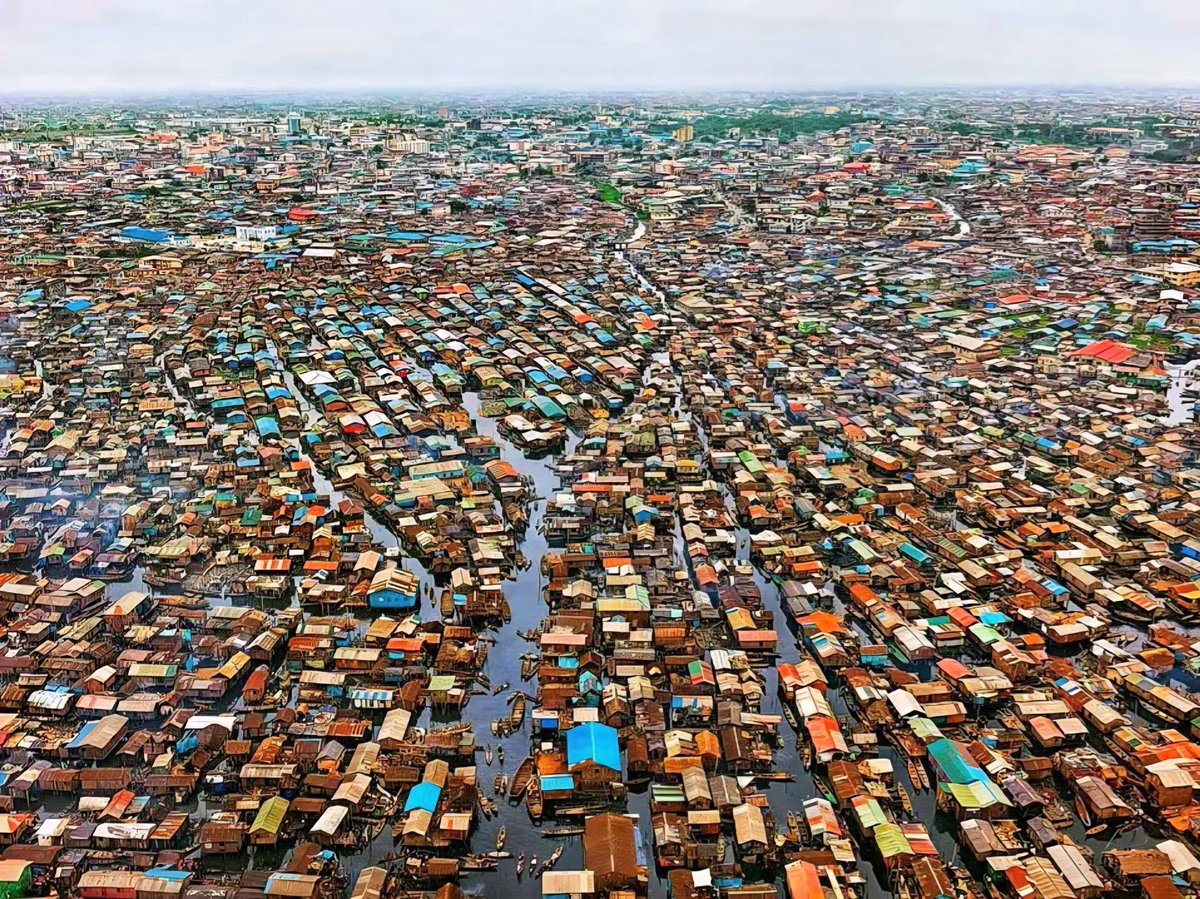
Topping the list is Nigeria, Africa’s most populous country. Citizens often contend with safety issues stemming from political unrest, armed conflicts, and high crime rates. Healthcare facilities are strained, and access to quality medical services remains limited for many. The country’s economic challenges, coupled with unreliable infrastructure, compromise residents’ well-being and daily comfort.
Sri Lanka and Bangladesh: Economic Turmoil and Climate Vulnerability
Sri Lanka and Bangladesh rank among the lowest in terms of quality of life. Sri Lanka’s recent economic crisis has led to shortages of essential goods and soaring inflation, affecting the average citizen’s ability to afford basic needs. Meanwhile, Bangladesh grapples with climate change impacts such as flooding and cyclones that disrupt daily life, hinder health services, and elevate living costs.
Venezuela and Egypt: Political and Socioeconomic Challenges
Venezuela’s ongoing political turmoil and economic collapse have left many residents without consistent access to healthcare, clean water, and reliable electricity. Egypt struggles with economic diversification issues, high unemployment, and limited social safety nets, which impact the well-being of its population on multiple levels.
Philippines, Iran, and Indonesia: Balancing Natural Disasters and Infrastructure Gaps
The Philippines faces frequent typhoons and natural disasters that destabilize communities and hinder access to healthcare and education. Iran’s political sanctions and economic pressures reduce the public’s access to quality healthcare and safe living conditions. Indonesia’s geographic vulnerability to earthquakes and volcanic activity exacerbates infrastructural challenges affecting millions.
South American Countries: Peru, Colombia, and Chile
Peru and Colombia contend with uneven healthcare delivery and socio-economic disparities, resulting in lower overall life quality for many residents. Chile also faces criticisms regarding cost of living and environmental concerns, affecting the health and safety of its citizens.
Eastern European and Central Asian Countries: Lebanon, Pakistan, and Kazakhstan
Lebanon’s ongoing economic crisis, compounded by political instability, severely impacts social services. Pakistan and Kazakhstan face unique challenges—Pakistan with persistent security issues and health infrastructure deficiencies; Kazakhstan balancing economic growth with environmental concerns and regional tensions.
African Nations: Kenya, Morocco, and Tunisia
Kenya’s healthcare and safety sectors continue to face resource constraints, affecting daily life for large portions of its population. Morocco and Tunisia, while better equipped than some neighbors, still grapple with economic disparities, unemployment, and access to quality health and safety services.
Eastern European and Russian Regions: Russia and Ukraine
Russia maintains a complex socio-political landscape impacting citizens’ safety and healthcare access. Ukraine, still recovering from conflict, faces ongoing instability that hampers progress in public health and economic development.
South American Countries: Brazil and Panama
Brazil’s challenges with crime rates, income inequality, and healthcare disparities place it among nations with lower life quality scores. Panama’s rapid development has yet to fully address social inequalities and infrastructure needs, impacting residents’ everyday lives.
Global Factors at Play
The ranking reflects multiple interconnected issues—cybersecurity, political stability, healthcare quality, economic security, and environmental resilience all influence nations’ standings. While some countries show promising signs of improvement, many continue to face systemic obstacles that hinder upward mobility in quality of life.
The latest reports emphasize that fostering stability, investing in healthcare infrastructure, and implementing sustainable economic policies are crucial steps toward improving living standards worldwide.
Source: Numbeo Quality of Life Index 2026 – Based on crowdsourced user perceptions.
 ChatGPT
 Perplexity
 Gemini AI
 Grok AI