Select Language:
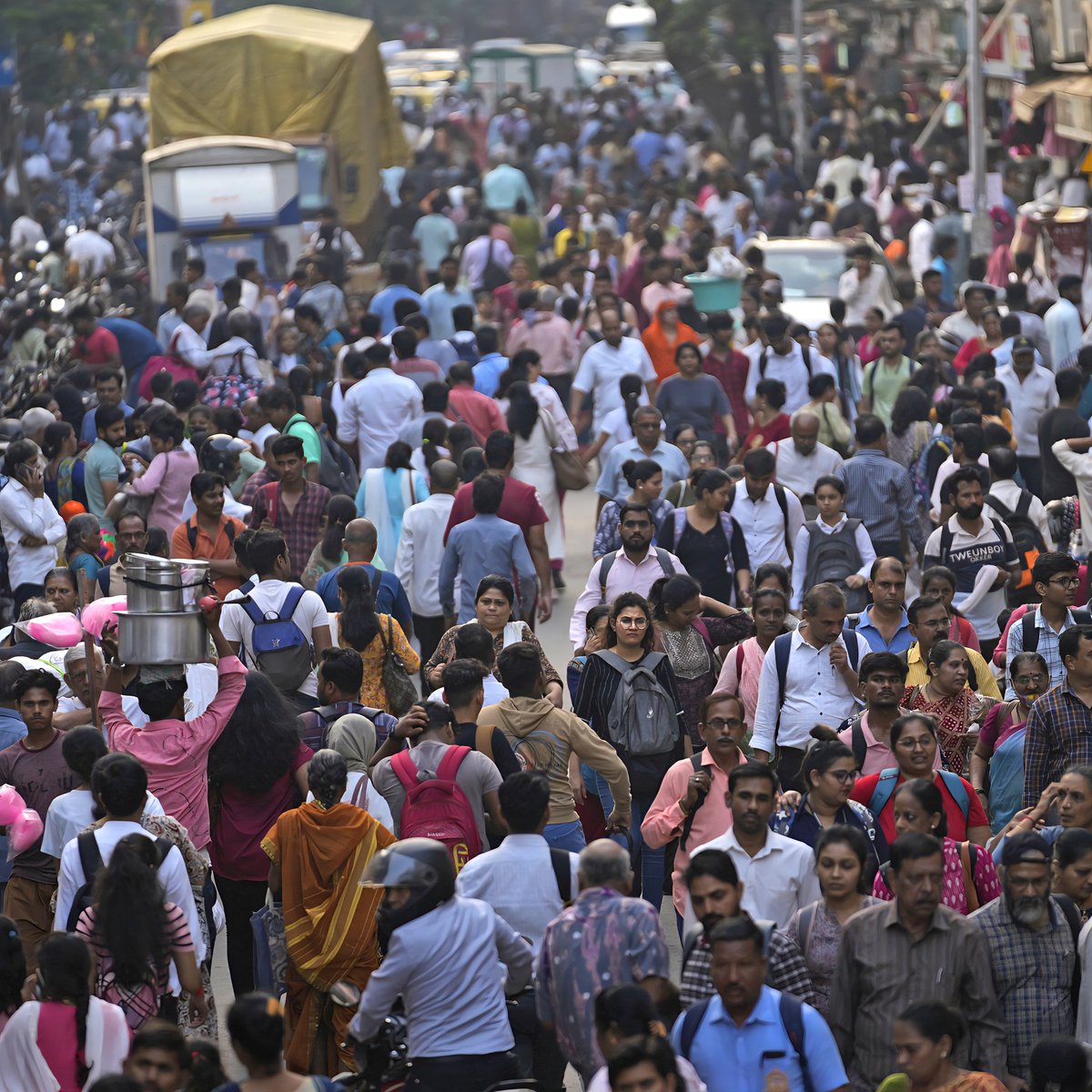
Top 25 Countries with the Largest Populations in 2025
1. India Takes the Lead with Over 1.46 Billion People
India continues to hold its position as the most populous country globally, with its population reaching approximately 1.46 billion in 2025. The country’s rapid growth over the past decades has significantly shaped global demographics. Urbanization remains a key trend, with more Indians moving to cities, although rural areas still house a substantial portion of the population. India’s demographic dynamics are playing a pivotal role in global economic and cultural shifts.
2. China Remains Close Behind, Crossing 1.42 Billion
Despite recent decline in growth rates, China retains its second-place ranking with an estimated 1.42 billion residents. The country has seen a slowdown as its population stabilizes and ages, but its influence remains profound. Urban centers like Shanghai and Beijing continue to grow, reflecting ongoing economic transformation. China’s aging population raises concerns over future workforce sustainability.
3. The United States Continues to Grow, Surpassing 347 Million
The U.S. population has surged past 347 million, solidifying its position as the third most populated country. Multiculturalism and high birth rates among immigrant communities contribute to sustained growth. Major urban hubs like New York, Los Angeles, and Houston thrive amid demographic diversity, fueling innovation and economic resilience.
4. Indonesia’s Population Tops 286 Million
Indonesia’s population numbers around 286 million, making it the fourth-largest country globally. Its youthful demographic drives economic development and urban expansion in cities like Jakarta and Surabaya. Continued investment in infrastructure and healthcare supports the country’s growth trajectory.
5. Pakistan Approaches 255 Million Residents
With approximately 255 million inhabitants, Pakistan ranks fifth worldwide. It remains one of the fastest-growing populations, with high fertility rates and expanding urban centers like Karachi and Lahore. Challenges persist in managing health, education, and economic opportunities.
6. Nigeria’s Population Nears 238 Million
Nigeria has become Africa’s most populous country, with nearly 238 million people living there. Its youthful population offers both opportunities and challenges, ranging from booming cities like Lagos to ongoing efforts to improve healthcare and education systems.
7. Brazil Continues to Grow, with 213 Million Residents
Brazil maintains its position with around 213 million inhabitants. Urban centers like São Paulo and Rio de Janeiro continue to attract new residents, fueling economic growth and cultural diversity.
8. Bangladesh Reaches 176 Million
Bangladesh’s population remains robust at approximately 176 million. Its dense population in cities like Dhaka demands sustainable urban planning and development strategies to improve living standards.
9. Russia’s Population Stands at About 144 Million
Russia’s population has stabilized around 144 million. The country faces challenges related to aging and migration, but remains one of the world’s largest countries with significant influence in global politics.
10. Ethiopia’s Population Surges Past 135 Million
Ethiopia ranks as one of Africa’s most rapidly growing countries, with about 135 million residents. Its expanding economy and youthful population contribute to ongoing development, though infrastructure needs remain significant.
Key Global Population Trends in 2025
- Global Population: The world’s population has grown to approximately 8.1 billion, showing signs of slowing growth compared to previous decades.
- Urbanization: Over 57% of all people now live in urban areas, a figure projected to reach around 68% by 2050, transforming cities worldwide.
- Ageing Populations: The median global age is 31, with notable aging trends in developed nations like Japan, which faces demographic shifts impacting its economy.
- Fertility Rates: The average number of children per woman has declined globally to 2.3, often falling below replacement levels, especially in Europe and East Asia.
Impact of Demographic Shifts
Demographic patterns now dictate economic strategies, healthcare planning, and migration policies worldwide. Countries with youthful populations, such as Nigeria and India, are poised for continued growth, while aging societies like Japan and Germany face economic hurdles associated with declining workforces.
Source: World Population Review, 2025
This snapshot underscores the ongoing evolution of global demographics, highlighting the importance of sustainable development and strategic planning in a changing world.
 ChatGPT
 Perplexity
 Gemini AI
 Grok AI