Select Language:
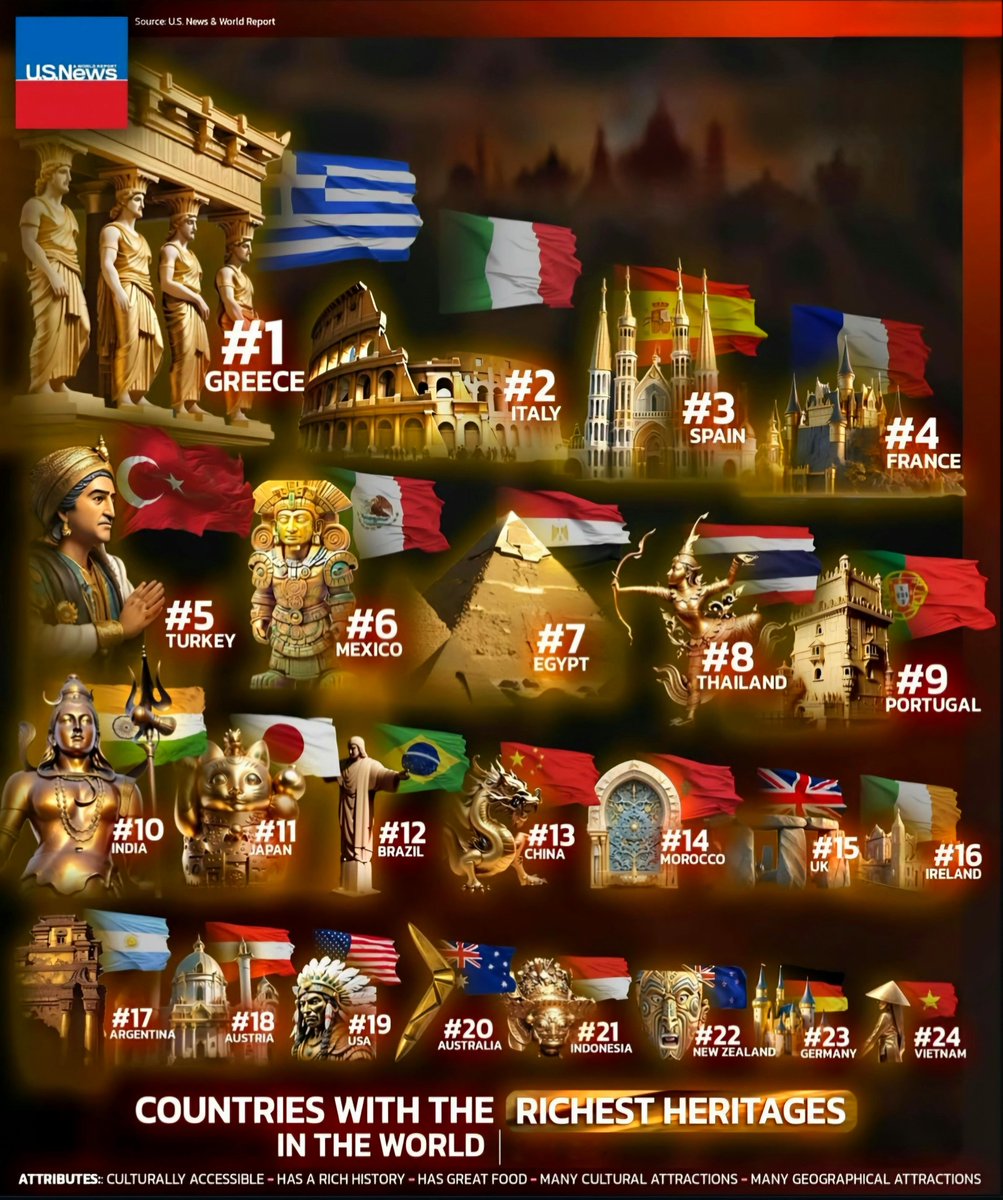
Countries with the Wealthiest Cultural Heritage in 2025
Greece: A Timeless Legacy of Democracy and Mythology
Greece continues to top the list with its unparalleled contributions to Western civilization. Its ancient ruins, including the Parthenon and Olympia, draw millions each year. The nation’s rich mythology, art, and historical sites make it a living museum. The accessibility of archaeological treasures coupled with vibrant local traditions sustains its place as the world’s most culturally rich country.
Italy: The Cradle of Art, Cuisine, and History
Italy retains its status as a hub of Renaissance art and historic architecture. From Rome’s Colosseum to Venice’s canals, Italy blends ancient history with modern vibrance. Italian cuisine, famed worldwide, adds depth to its cultural wealth. Its diverse regions offer a tapestry of traditions, craftsmanship, and historical sites accessible to tourists and historians alike.
Spain: A Fusion of Heritage and Contemporary Charm
Spain’s rich history spans Moorish architectures, Gothic cathedrals, and Flamenco traditions. Cities like Granada and Barcelona showcase architectural marvels and cultural festivals that attract international visitors. Spain’s museums, castles, and festivals highlight a dynamic heritage that continues to enchant modern society.
France: The Epitome of Artistic and Cultural Grandeur
French heritage is synonymous with art, fashion, cuisine, and philosophy. Paris’s museums, such as the Louvre, and historic landmarks like Versailles exemplify its influence in world culture. Regional traditions like Provençal and Breton culture, alongside world-renowned gastronomy, contribute to France’s longstanding cultural prominence.
Turkey: Bridging Continents and Civilizations
Straddling Europe and Asia, Turkey is a crossroads of civilizations. Its historic sites like Hagia Sophia, Topkapi Palace, and ancient ruins of Ephesus showcase a fusion of Byzantine, Ottoman, and Roman influences. Turkish cuisine, markets, and traditional arts enrich its diverse heritage landscape.
Mexico: A Vibrant Mix of Indigenous and Colonial Heritage
Mexico boasts millennia-old civilizations like the Aztecs and Mayans. Its colonial cities, ancient ruins like Chichen Itza, and colorful festivals like Día de los Muertos reflect a blend of indigenous and Spanish influences. Culinary traditions, including tacos and mole, add passionate flavor to its cultural fabric.
Egypt: The Cradle of Ancient Civilizations
Egypt’s mystique lies in its monumental pyramids, sphinx, and ancient temples. The Nile River, along with relics from Pharaonic times, underscore its historical significance. Modern Egyptian culture maintains a blend of ancient traditions and contemporary innovations, ensuring its continued cultural relevance.
Thailand: A Rich Tapestry of Religion and Tradition
Thailand’s temples, royal palaces, and festivals like Songkran highlight its spiritual and cultural depth. Traditional Thai dance, cuisine, and vibrant markets symbolize a lively heritage scene. Its accessible historic sites and hospitality make it a top cultural destination.
Portugal: A Maritime Heritage of Discoveries
Portugal’s Age of Exploration left a mark with explorers like Vasco da Gama. Its colonial architecture, historic port cities like Lisbon and Porto, and Fado music embody a proud maritime heritage. Traditional crafts and culinary delights like bacalhau (salt cod) showcase its cultural richness.
India: A Continual Tapestry of Cultures and Religions
India’s history spans multiple dynasties, religions, and philosophies. Its monuments, including the Taj Mahal, forts, and temples, attract global visitors. The country’s diversity in languages, cuisines, and festivals makes it a living celebration of heritage and tradition.
Japan: A Harmonious Blend of Tradition and Modernity
Japan’s ancient temples, tea ceremonies, and samurai history coexist with cutting-edge technology and pop culture. Heritage sites like Kyoto’s temples contrast with innovation hubs like Tokyo. Festivals, traditional arts like Kabuki, and cuisine like sushi reflect its cultural depth.
Brazil: A Lively Melting Pot of Cultures
Brazil’s diverse roots—indigenous, African, and European—manifest in its music, dance, and festivals such as Carnival. Its vibrant cities, Amazon rainforest, and indigenous heritage contribute to a multifaceted cultural landscape.
China: An Ancient Civilization with Modern Prowess
China’s history of dynastic rule, the Great Wall, and Terracotta Army showcase its ancient grandeur. Contemporary China’s rapid urbanization, along with traditional arts like calligraphy and Chinese opera, highlight its evolving cultural heritage.
Morocco: A Gateway Between Africa and the Middle East
Morocco’s medinas, markets, and imperial cities like Marrakech unveil centuries of Berber, Arab, and European influences. Traditional music, cuisine, and crafts like tilework exemplify its vibrant cultural tapestry.
United Kingdom: A Cultural Powerhouse
Britain’s historical influence includes royal palaces, Shakespearean theatres, and iconic landmarks like Stonehenge. The UK’s diverse cultures—from Scottish traditions to English literature—continue to shape global arts and history.
Ireland: An Evergreen of Heritage and Music
Ireland’s literary giants, Celtic music, and ancient sites like Newgrange make it a haven for cultural enthusiasts. Its stories, folklore, and friendly communities preserve a deeply rooted heritage.
Argentina: A Fusion of Indigenous and European Culture
Argentina’s tango, beef cuisine, and vibrant arts scene blend indigenous traditions with Spanish and Italian influences. Its historic sites and cultural festivals maintain its lively, diverse identity.
Austria: A Legacy of Classical Music and Elegant Architecture
Austria’s composers like Mozart and Strauss spotlight its musical heritage. Its alpine landscapes and imperial cities like Vienna and Salzburg are centers of art, music, and royal history.
United States: A Melting Pot of Cultures
The US boasts diverse heritage sites, from Native American landmarks to modern marvels. Its influence extends globally through film, music, and technological innovation, making it a cultural powerhouse with accessible historic sites.
Australia: Indigenous and Colonial Heritage in Harmony
Australia’s Aboriginal cultures, alongside colonial history reflected in cities like Sydney, offer a unique blend. Indigenous art, Dreamtime stories, and vibrant festivals enrich its cultural scene.
Indonesia: An Archipelago of Rich Traditions
Indonesia features thousands of islands, each with distinct cultures, dances, and religions. Its batik textiles, temples like Borobudur, and diverse languages exemplify its cultural diversity.
New Zealand: Maori Heritage and Natural Wonders
New Zealand’s Maori traditions, native arts, and pristine nature form a cornerstone of its cultural identity. Festivals, carvings, and historical sites highlight rich indigenous influence.
Germany: A Land of Classical and Modern Cultural Contributions
Germany’s castles, fairy-tale towns, and classical composers define its heritage. Contemporary arts and annual festivals keep its cultural scene vibrant and engaging.
Vietnam: A Land of Ancient History and Resilient Spirit
Vietnam’s ancient temples, war memorials, and traditional crafts echo thousands of years of history. Its cuisine, festivals, and resilient communities attract travelers seeking authentic cultural experiences.
These rankings reflect the overall cultural accessibility, historical richness, cuisine, attractions, and geographic diversity as of 2025, according to U.S. News & World Report.
 ChatGPT
 Perplexity
 Gemini AI
 Grok AI