Select Language:
The World’s Top 20 Most Powerful Political Positions in 2025

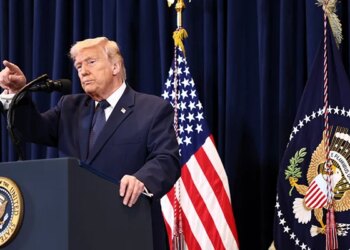
1. President of the United States
Holding one of the most influential roles globally, the U.S. President commands not only the world’s largest economy but also significant military and diplomatic power. As of 2025, the President influences international policies, climate agreements, and global security strategies. The office sits at the center of world geopolitics, making it a symbol of American dominance and leadership.
2. General Secretary of the Communist Party of China
In 2025, the Chinese Communist Party’s General Secretary remains a pivotal position, steering China’s rapid economic growth, technological advancements, and regional influence. This role is crucial for shaping Asia’s geopolitical landscape, especially as China asserts its dominance in the Indo-Pacific and engages more assertively on global issues like climate change and global trade.
3. Prime Minister of India
India’s Prime Minister continues to wield vast influence as the leader of one of the fastest-growing economies and most populous nations. Their decisions on defense, economic reform, and foreign policy deeply impact regional stability in South Asia and the global balance of power, especially amid China’s rising influence.
4. President of Russia
Russia’s President remains a key player with considerable military capabilities, including nuclear arsenals, and a strategic presence in Eastern Europe and the Middle East. Their leadership shapes regional conflicts, energy policies, and international alliances, making this position critical on the world stage.
5. President of the European Commission
The head of the European Union’s executive branch holds significant sway over global policies on climate change, trade, and digital regulation. As the world faces economic shifts and geopolitical tensions, this role influences European unity and its diplomatic relationships with major powers like the U.S. and China.
6. Chancellor of Germany
Germany’s Chancellor, as Europe’s economic powerhouse, influences not only the continent’s policies but also EU-wide initiatives on security, migration, and economic stability. In 2025, their leadership is critical in navigating Europe’s response to global crises and fostering cohesion among member states.
7. Prime Minister of the United Kingdom
Post-Brexit, the UK Prime Minister’s influence centers on rebuilding economic strength, maintaining global alliances, and establishing the UK as an independent player on the world stage. Their policies affect international finance, security cooperation, and geopolitical stability.
8. President of France
As a key EU member with a leading global diplomatic profile, the French President plays a crucial role in regional security, military interventions, and climate policy. France’s influence extends through its nuclear capabilities and leadership within the EU and Africa.
9. Secretary-General of the United Nations
The UN Secretary-General is central to coordinating international efforts on peacekeeping, climate change, health crises, and human rights. Their influence shapes global initiatives and mediates conflicts, especially amid rising geopolitical tensions in 2025.
10. President of Brazil
Brazil’sPresident holds sway over one of South America’s largest economies and environmental policies. Their leadership impacts regional stability, conservation efforts in the Amazon, and Brazil’s integration into global markets amidst rising geopolitical competition.
11. Commander of NATO
The NATO Supreme Allied Commander is responsible for coordinating alliance military strategies. Given the heightened tensions with Russia and escalating regional conflicts, this role is vital for collective security and international defense planning.
12. President of South Africa
South Africa’s President is influential in regional politics, economic development, and Africa’s integration. They navigate relationships with global powers while addressing domestic challenges like inequality and infrastructure development.
13. Leader of the European Central Bank
In a world facing inflation and economic shifts, the head of the European Central Bank controls monetary policy across Eurozone nations. Their decisions impact global markets, currency stability, and economic growth.
14. President of Japan
Japan’s President influences Asia-Pacific policy, technological innovation, and regional security partnerships. As tensions in the Indo-Pacific escalate, their leadership is crucial in balancing global alliances and military postures.
15. President of Pakistan
Pakistan’s President plays a critical role in managing regional tensions with India, engaging with China on economic corridors, and navigating security challenges linked to Afghanistan and the broader Middle East.
16. Prime Minister of Canada
As North America’s second-largest economy, Canada’s Prime Minister influences regional trade agreements, climate policies, and international peace efforts, all while maintaining strong ties with the U.S. and other allies.
17. President of Mexico
Mexico’s President holds a strategic position in North American politics, influencing migration policies, economic cooperation with the U.S. and Canada, and regional security issues such as organized crime and drug trafficking.
18. Minister of Defense of India
The Indian Defense Minister plays a vital role in shaping military modernization, strategic alliances, and border security. Their decisions significantly impact regional stability and India’s rise as a military power.
19. Director of the International Monetary Fund (IMF)
The IMF’s Director influences global economic stability, financial aid programs, and policy advice. Their leadership is key in navigating global debt challenges and economic recovery post-pandemic.
20. President of South Korea
South Korea’s President directs efforts on security diplomacy with North Korea, technological advancement, and economic growth. Their role is pivotal in maintaining regional stability amid rising East Asian tensions.
The power dynamics of 2025 reveal a complex web of influence, with traditional powers like the United States, China, and Russia wielding significant sway. Meanwhile, regional leaders in Europe, Asia, and Africa continue to shape global politics through strategic initiatives, economic policies, and diplomatic efforts. Understanding these roles is crucial to grasping the current international landscape and geopolitical future.
 ChatGPT
 Perplexity
 Gemini AI
 Grok AI