Select Language:
Rankings of the World’s Most Potent Naval Powers in 2025
1. United States Navy
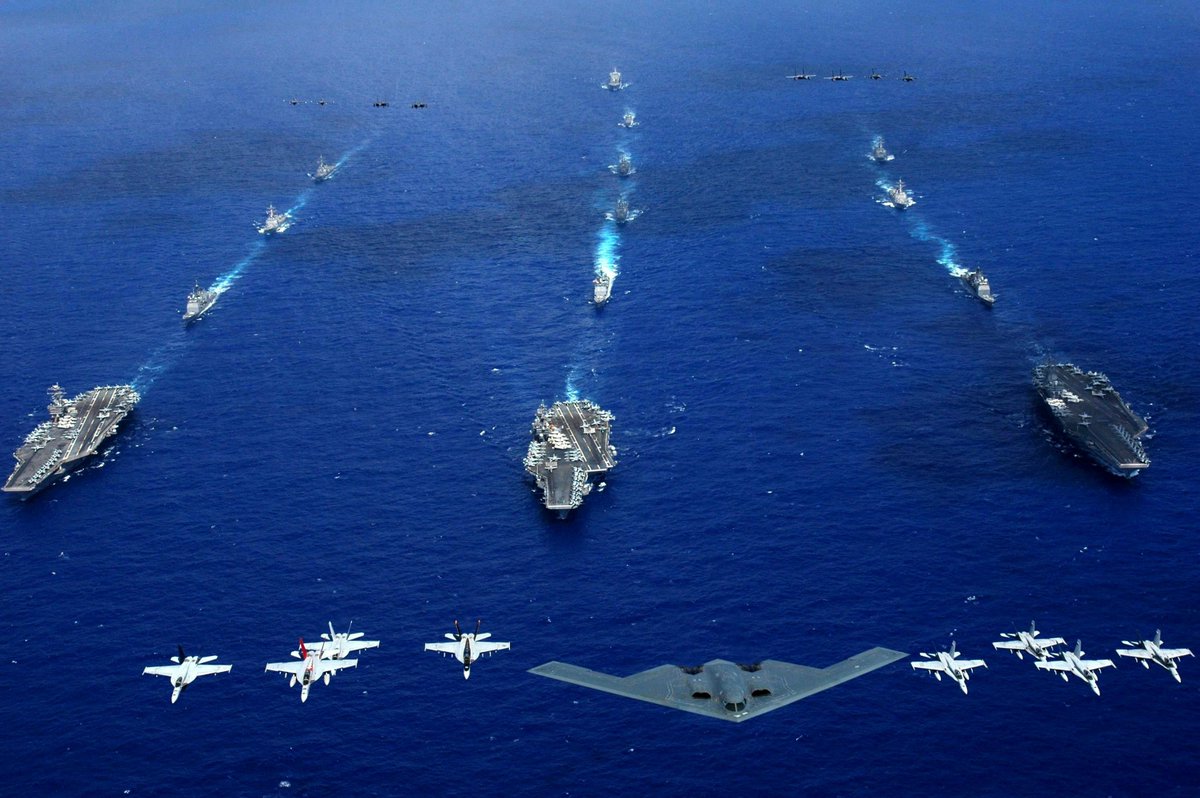
Leading the list once again, the U.S. Navy continues to dominate global maritime strength. With a fleet comprising over 490 active vessels, including 11 aircraft carriers and numerous nuclear submarines, the United States maintains unmatched power projection capabilities. The Navy’s advanced technology, extensive global presence, and strategic bases make it the most formidable naval force in the world.
2. People’s Liberation Army Navy (China)
China’s navy has experienced rapid expansion in recent years. With the largest fleet in the Asian region, China boasts an impressive number of modern destroyers, submarines, and aircraft carriers, including the newly commissioned Type 003 carrier. Its focus on artificial intelligence, ballistic missile submarines, and island-based naval bases underscores its strategic ambitions.
3. Russian Navy
Russia’s naval forces have seen modernization efforts, although they still lag behind the U.S. and China in size. Russia retains a formidable fleet of nuclear submarines, including the Borei and Yasen classes, and Surface combatants that bolster its regional influence, particularly in the Arctic and Mediterranean theatres.
4. Indonesian Navy
With over 180 vessels, Indonesia’s navy stands as Southeast Asia’s maritime backbone. It continually upgrades its fleet with indigenously built ships and modern patrol vessels, vital in safeguarding its extensive archipelagic waters and asserting regional influence.
5. South Korean Navy
South Korea maintains a highly advanced navy, with a focus on anti-submarine warfare and missile defense. Its fleet includes KDX multi-role destroyers, modern submarines, and amphibious assault ships. The navy’s strategic importance is heightened by ongoing tensions with North Korea.
6. Japan Maritime Self-Defense Force
Japan’s naval force remains one of the most technologically sophisticated, with a fleet emphasizing destroyers, submarines, and Aegis-equipped ships. It emphasizes regional security and disaster relief, with a keen focus on maintaining maritime self-defense capabilities amid regional security challenges.
7. Indian Navy
India’s navy has rapidly grown, featuring an expanding fleet of aircraft carriers, submarines, and surface ships. Its strategic focus centers on strengthening regional influence and countering Chinese expansion in the Indian Ocean.
8. French Navy
France’s naval strength lies in its nuclear submarines, aircraft carriers, and amphibious assault ships. The French Navy plays a crucial role in global maritime security, often deploying troops and assets to Africa, the Middle East, and the Atlantic.
9. British Royal Navy
Despite a relatively smaller fleet, the UK maintains a highly capable navy with 13 Type 45 destroyers, newer Queen Elizabeth-class aircraft carriers, and submarine forces. The Royal Navy emphasizes quick deployment, maritime security, and nuclear deterrence.
10. Turkish Naval Forces
Turkey boasts an increasingly modern fleet, including the indigenous Istanbul-class frigates and submarines. Its strategic position controls access to the Black Sea and Mediterranean, emphasizing regional dominance.
11. Italian Navy
Italy’s navy boasts a blend of modern frigates, submarines, and amphibious ships. It plays a vital role in NATO operations and Mediterranean security efforts, focusing on maritime patrol, search-and-rescue, and regional stability.
12. Republic of China Navy (Taiwan)
Though smaller in scale, Taiwan’s navy emphasizes asymmetric warfare, quick mobilization, and missile technology to deter potential aggressors. Its fleet includes submarines, missile boats, and amphibious vessels geared for regional defense.
13. Egyptian Navy
Egypt maintains dominance over the Suez Canal and the Eastern Mediterranean through a modernized fleet comprising French-built frigates, submarines, and missile boats. It’s a key regional player in Middle Eastern maritime security.
14. Korean People’s Army Naval Force (North Korea)
Although limited in modern equipment, North Korea invests heavily in submarine and missile technology to threaten regional stability and U.S. interests in the Pacific and East Asia.
15. Algerian National Navy
Algeria’s fleet focuses on regional security, with a significant number of patrol vessels, corvettes, and submarines. Its strategic aims include securing the Mediterranean coast and countering piracy.
16. Bangladesh Navy
Bangladesh’s naval expansion centers on patrol frigates, corvettes, and submarine acquisition, positioning itself as a significant maritime actor in South Asia. Its modernization supports regional cooperation and security.
17. Spanish Navy
Spain’s navy features advanced frigates, submarines, and amphibious ships. It operates under NATO and EU frameworks, emphasizing maritime patrol, counter-terrorism, and humanitarian missions.
18. German Navy
Germany maintains a smaller but technologically advanced navy with modern frigates, submarines, and support vessels, focusing primarily on NATO commitments and European maritime security tasks.
19. Iranian Navy
Iran’s navy operates a large fleet of fast-attack craft, submarines, and patrol vessels aimed at asymmetrical warfare, control of strategic straits, and regional influence in the Persian Gulf.
20. Royal Australian Navy
Australia’s navy emphasizes anti-submarine warfare and regional patrols, with modern frigates, submarines, and amphibious vessels. It plays a key role in Indo-Pacific security and alliances.
Conclusion: The world’s naval landscape continues to evolve, with major powers investing heavily in technology, fleet modernization, and strategic bases. While the United States remains unrivaled, regional players like China, India, and Indonesia are rapidly advancing, marking an era of unprecedented maritime competition in 2025.
Source: World Directory of Modern Military Warships (WDMMW) 2025
 ChatGPT
 Perplexity
 Gemini AI
 Grok AI