Select Language:
Top 20 Most Powerful Air Forces Globally in 2025
1. United States Air Force (USAF)
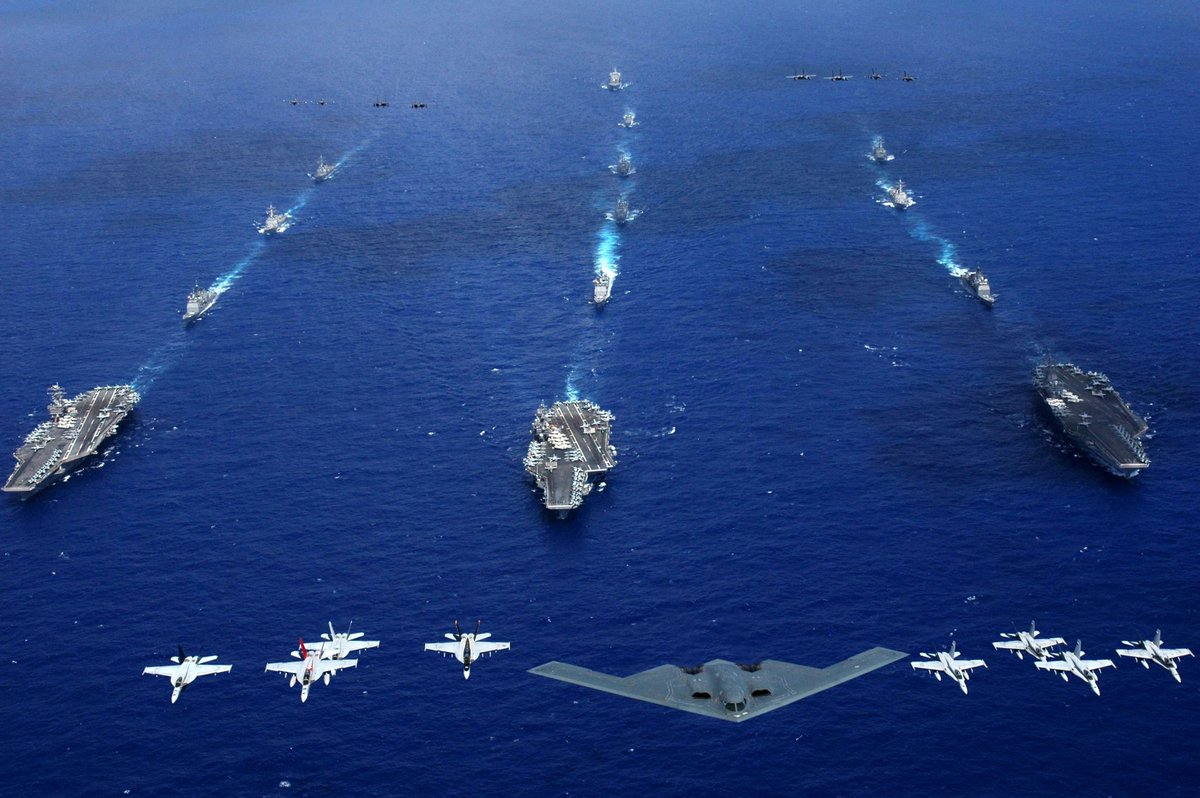
Leading the world’s air power for decades, the United States Air Force continues to dominate in 2025. Equipped with advanced stealth fighters like the F-35 Lightning II and upgraded B-21 Raiders, the USAF boasts the world’s most sophisticated air combat capabilities. Its extensive drone fleet, strategic bombers, and cutting-edge refueling aircraft make it a formidable force, ensuring unparalleled global reach.
2. United States Navy Aviation
The naval aviation branch of the U.S. maintains its spot as one of the most formidable forces, thanks to carrier-based aircraft like the F/A-18E/F Super Hornet and the newer F-35C variants. Aircraft carriers now feature enhanced cyber warfare and missile defense systems, extending U.S. maritime dominance and projection power across oceans.
3. Russian Air Force
Russia continues to modernize its air fleet with advanced fighters such as the Su-57 Felon and Su-35 Super Flanker. Their emphasis on integrated air defense systems and strategic bombers like the Tu-160 ensures Russia remains a major player on the global stage, particularly in Eurasia and the Arctic.
4. United States Army Aviation
The U.S. Army’s aviation wing has evolved into a versatile force with rapid deployment helicopters like the AH-64 Apache and CH-47 Chinook. These capabilities support ground operations, tactical support, and disaster relief, making them critical to U.S. military strategy.
5. United States Marine Corps Air Combat Elements
The Marine Corps maintains its reputation with a fleet that includes F-35B stealth fighters and AV-8B Harrier jump jets. Their ability to deploy quickly and operate from amphibious assault ships enhances flexibility in various conflict scenarios worldwide.
6. Indian Air Force (IAF)
India’s air power continues to grow rapidly, with recent acquisitions of Rafale jets and indigenous Tejas fighters. Investments in nuclear-capable bombers and aerial refueling aircraft bolster their strategic posture, especially within the Indo-Pacific region.
7. Chinese Air Force (PLA Air Force)
China has made significant strides in advancing its air capabilities, deploying fifth-generation fighters like the J-20 and the newer J-16s. The expansion of its aircraft carrier fleet and anti-access/area denial (A2/AD) strategies have bolstered China’s position as a rising air power.
8. Japanese Air Self-Defense Force
Japan’s air force maintains a high level of readiness with F-35s and domestically produced fighters. Their focus on regional security and threat deterrence from neighboring nations has led to consistent modernization efforts.
9. Israeli Air Force
Known for its technological innovation and tactical expertise, Israel’s air force operates advanced aircraft including F-35I Adirs and upgraded F-16s. Their strategic focus remains on regional deterrence and rapid response capabilities.
10. French Air and Space Force
France maintains a modern and flexible fleet with Rafale fighters and strategic assets like the A330 MRTT multi-role tanker. European strategic independence and expeditionary missions are central to their operational doctrine.
11. UK Royal Air Force
The RAF’s recent procurement of F-35B Lightning jets and continued focus on cyber and space capabilities reinforce its position as a key NATO partner. UK’s integration within joint NATO operations enhances collective security.
12. South Korean Air Force
South Korea has modernized rapidly following recent threats from the North, operating F-35As and upgrading older aircraft. Their missile defense systems and regional training exercises ensure readiness for potential conflict scenarios.
13. Italian Air Force
Italy’s air force has integrated F-35A fighters into its fleet, strengthening its capabilities for NATO missions and regional security. Its strategic airlift and surveillance assets complement its combat aircraft.
14. Australian Air Force
Australia maintains a highly capable air force with F-35 Lightning IIs and EA-18G Growlers. Defense collaborations with the U.S. and regional partners enhance Australian defense posture, especially in the Indo-Pacific.
15. Chinese Navy Aviation
Complementing China’s expanding naval power, its naval aviation wing operates carrier-based fighters and early warning aircraft, supporting sea control and regional influence.
16. Brazilian Air Force
Brazil continues to modernize with recent acquisitions of Gripen fighters and upgraded transport aircraft. Their focus remains on regional security, border protection, and disaster response.
17. Saudi Air Force
Saudi Arabia has invested heavily in modern fighters like the F-15SA and Typhoon aircraft. Their strategic goal is regional dominance and support for ongoing counter-terrorism efforts.
18. Pakistan Air Force
Pakistan’s air force remains crucial to regional security, operating JF-17 Thunder fighters, F-16s, and advanced radar systems. They concentrate on deterrence and maintaining air superiority in South Asia.
19. German Air Force (Luftwaffe)
Germany’s air force boasts Eurofighter Typhoons and Poseidon maritime patrol aircraft. Its focus on NATO commitments and European security is pivotal within the alliance.
20. French Navy Aviation
The French Navy’s aviation branch operates from aircraft carriers and supports maritime security, force projection, and regional stability efforts, with significant capabilities in carrier-based warfare.
The global aerial landscape in 2025 continues to evolve with technological advancement, strategic realignments, and increasing regional tensions. Countries are investing heavily in their air capabilities to ensure national security and maintain influence on the world stage.
 ChatGPT
 Perplexity
 Gemini AI
 Grok AI