Select Language:
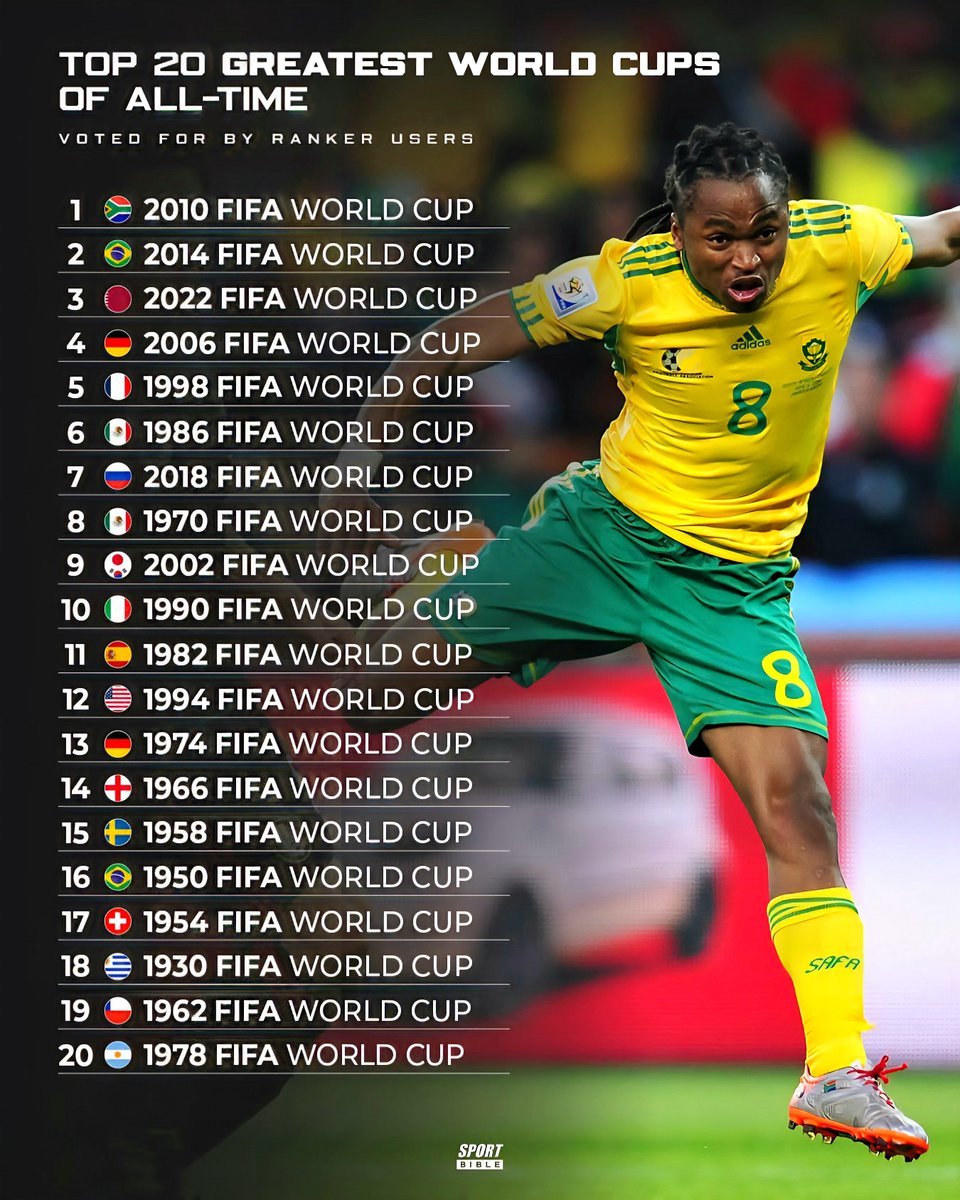
The Most Memorable FIFA World Cups of All Time: A 2025 Perspective
1. 2010 South Africa World Cup: The Dawn of a New Era
The 2010 FIFA World Cup held in South Africa marked the tournament’s debut on the African continent, creating an unforgettable backdrop of vibrant culture and passionate football fans. This event was hailed for its festive atmosphere and landmark moments, including the rise of rookie stars and debutants. The tournament also featured the stunning debut of the vuvuzela, which became an icon of the competition.
2. 2014 Brazil World Cup: Samba Spectacle and Heartbreak
Brazil hosted the 2014 World Cup for the sixth time in history, turning the nation into a football paradise. The tournament was filled with unforgettable moments, notably Germany’s astonishing 7-1 semifinal victory over Brazil — a match etched into football history. The event celebrated Brazilian zest and showcased some of the sport’s most talented players like Neymar and James Rodríguez.
3. 2022 Qatar World Cup: Historic First in the Middle East
The 2022 edition in Qatar smashed records as the first World Cup held in the Middle East, with state-of-the-art stadiums and a compact format that enabled fans to attend multiple matches daily. The tournament displayed high-intensity football, culminating in a dramatic final that kept fans on the edge of their seats. It also sparked conversations about hosting ethics, sportswashing, and the evolving nature of international football.
4. 2006 Germany World Cup: A Celebration of Tradition and Innovation
Germany’s 2006 World Cup is remembered for its flawless organization, accessible stadiums, and iconic fan culture. With Germany reaching the semifinals, the tournament brought the nation together in celebration, showcasing their rich football heritage. The event also popularized the World Cup mascot, Goleo VI, and intensified the global popularity of football.
5. 1998 France World Cup: Home Victory and Cultural Fusion
Hosting the tournament on home soil, France’s 1998 World Cup brought a diverse mix of teams and cultures together. The hosts’ victory in the final against Brazil symbolized a moment of national pride and unity. Highlighted by a star-studded French team including Zinedine Zidane, this World Cup was a defining moment in French football history.
6. 1986 Mexico World Cup: Maradona’s Masterpiece
The 1986 tournament is affectionately known for Diego Maradona’s legendary performance, especially during the quarterfinal against England, where he scored the infamous “Hand of God” goal and the mesmerizing “Goal of the Century.” This tournament solidified Mexico’s status as a football hotspot and showcased stellar talents across the globe.
7. 2018 Russia World Cup: Unexpected Upsets and Digital Engagement
Russia’s 2018 World Cup was notable for its thrilling upsets, including underdog Croatia’s impressive run to the finals, and unprecedented digital engagement from global audiences. The tournament set new records for social media interaction and featured a mix of traditional football giants and emerging teams.
8. 1970 Mexico World Cup: The Iconic ‘Game of the Century’
The 1970 tournament in Mexico is famous for its historic matches, especially the semi-final between Italy and West Germany, regarded as the “Game of the Century.” This event was a showcase of tactical brilliance and fierce competition, with Brazil claiming their third World Cup title.
9. 2002 South Korea & Japan World Cup: A Landmark Co-Hosting
The first co-hosted World Cup in Asia, 2002, saw explosive performances from South Korea and Japan, with South Korea’s surprising run to the semifinals capturing global attention. The tournament was a catalyst for Asian football’s growth and featured the debut of several future stars.
10. 1990 Italy World Cup: The Tactical Quarterfinals
Known for its intense tactical battles, the 1990 World Cup reached its peak during tightly contested knockout matches, especially the semifinal between England and West Germany, decided by a late goal. The final saw West Germany defeat Argentina in an emotionally charged match.
11. 1982 Spain World Cup: A Global Football Festival
Spain’s 1982 World Cup expanded the tournament to 24 teams, increasing global participation. It introduced new tournament formats and saw Italy’s triumph, driven by Paolo Rossi’s heroics. This World Cup emphasized entertainment and tactical innovation.
12. 1994 United States World Cup: Popularity Explosion
With the U.S. hosting the tournament for the first time, 1994 saw record-breaking attendance and a surge in soccer’s popularity across North America. The final between Brazil and Italy ended with Brazil’s iconic victory after a tense penalty shootout.
13. 1974 West Germany World Cup: The Birth of Modern Football
This event is considered a turning point in modern football, combining innovative tactics and compelling narratives. The West German team’s victory was seen as a triumph of discipline and organization, setting new standards for future tournaments.
14. 1966 England World Cup: The Home of Football’s Greatest Moment
England’s 1966 World Cup remains iconic for hosting the tournament and winning its only title, highlighted by Geoff Hurst’s hat trick in the final against West Germany. The matches were played at historic Wembley Stadium, creating legendary memories.
15. 1958 Sweden World Cup: The Rise of Pelé
The 1958 tournament marked Pelé’s debut on the world stage, helping Brazil secure their first-ever World Cup. His remarkable talent revolutionized the sport and inspired generations. The final’s thrilling atmosphere is often regarded as a turning point for international football.
16. 1950 Brazil World Cup: The Maracanazo
The tournament’s most dramatic moment was Uruguay’s stunning upset over Brazil in the final match at the Maracanã Stadium — a shock often called the “Maracanazo.” The event became a defining moment of football folklore.
17. 1954 Switzerland World Cup: Miracle of Bern
West Germany’s unexpected victory over the heavily favored Hungary team symbolizes one of the biggest upsets in World Cup history. The final is remembered for its dramatic turns and legendary performances.
18. 1930 Uruguay World Cup: The Inaugural Tournament
As the first-ever World Cup, Uruguay’s 1930 event set the foundation for international football. The host nation claimed victory in the final, and the tournament established the iconic competition that continues to unite nations.
19. 1962 Chile World Cup: The Power of Passion
Chile hosted one of the most intense tournaments of the era, with thrilling matches and passionate fans. Brazil secured their second title during this edition, with Pelé again shining as a star.
20. 1978 Argentina World Cup: Controversy and Victory
Argentina’s 1978 triumph was marred by political controversy but remains notable for the host nation’s victory and the emergence of talents like Mario Kempes. The tournament showcased passionate football amidst a politically charged environment.
Source: Ranker Users via Sport Bible
Note: As football continues to evolve, the 2025 World Cup is expected to add new chapters to the sport’s rich history, possibly featuring innovations and surprising moments that redefine what we know about this global spectacle.
 ChatGPT
 Perplexity
 Gemini AI
 Grok AI