Select Language:
Top Cities Facing Submersion Risks by 2100
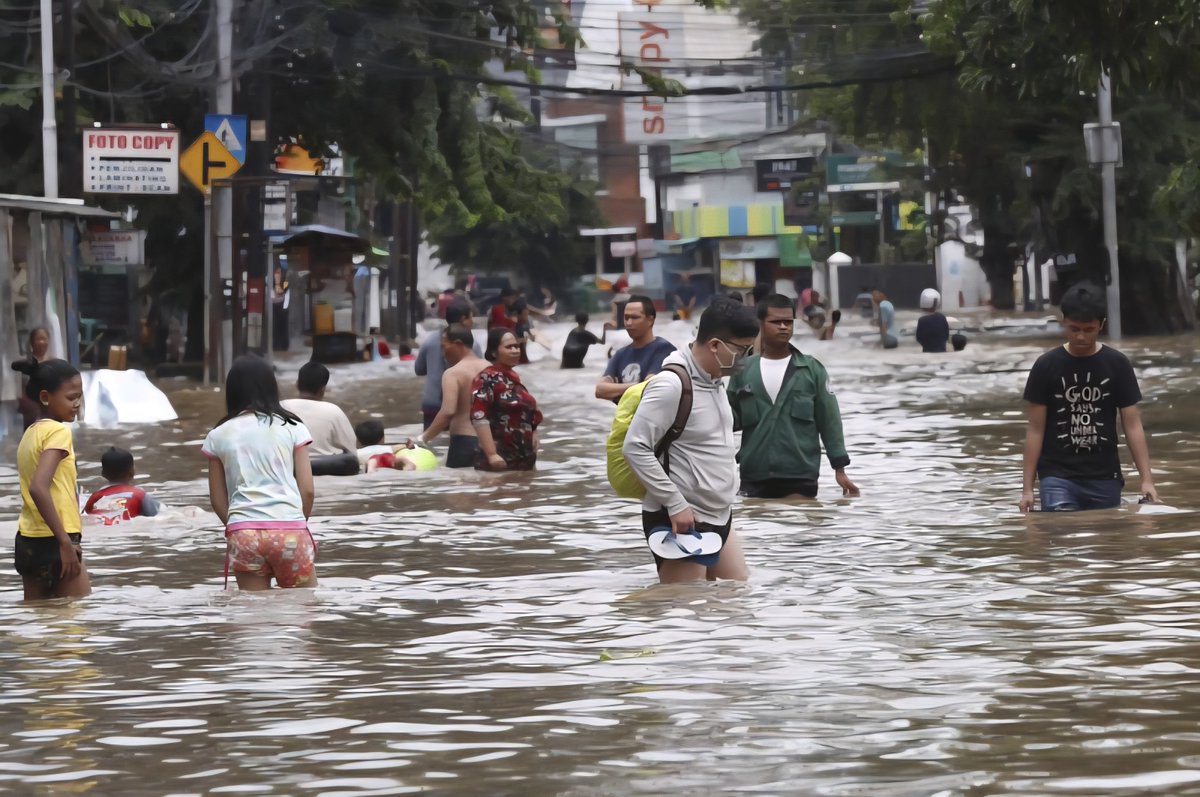
1. Jakarta, Indonesia: A City on the Brink
Jakarta, Indonesia’s bustling capital, faces a severe threat from rising sea levels combined with land subsidence. Over the years, excessive groundwater extraction has caused the city to sink at an alarming rate of around 10 centimeters annually. The Indonesian government is exploring infrastructure projects, including seawalls, but experts warn that without significant intervention, much of Jakarta could be underwater by 2100.
2. Lagos, Nigeria: Africa’s Overpopulated Coastal Hub
Lagos, often dubbed Africa’s financial capital, is swelling with a population surpassing 24 million. Its low-lying coastal location makes it susceptible to flooding, especially during storm surges and high tides. Climate change is intensifying these risks, threatening homes, businesses, and livelihoods. Urban planning initiatives are underway, but the rapid pace of growth complicates effective adaptation.
3. Houston, Texas: America’s Oil & Gas City Under Threat
Houston, a major energy epicenter, is experiencing subsidence due to extensive groundwater withdrawal for industrial and urban use. Coupled with rising sea levels, parts of Houston are increasingly vulnerable to flooding, especially during hurricanes. Efforts such as drainage improvements and barrier systems are in motion, but some areas remain perilously at risk.
4. Dhaka, Bangladesh: One of the World’s Most Flood-Prone Cities
Dhaka, the capital of Bangladesh, is besieged by classical flooding issues, further exacerbated by climate change and rising sea levels. The densely populated city, located near the Bay of Bengal, faces increased vulnerability from monsoon rains, river erosion, and tidal surges. Many residents live in flood-prone areas, with relocation and infrastructure upgrades seen as urgent solutions.
5. Venice, Italy: The City of Canals Facing a Water Crisis
Venice, renowned for its waterways and historic charm, has long struggled with flooding. The city’s sinking is driven by both natural subsidence and sea-level rise. Projects like MOSE, a system of mobile barriers, aim to protect Venice from high tides, but experts warn that climate change could still threaten its heritage and economic vitality well into the future.
6. Virginia Beach, Virginia: An Atlantic Coastline at the Edge
Virginia Beach, a popular tourist destination, faces significant risks from rising seas and increased storm activity. Coastal erosion and flooding threaten homes and infrastructure. Local authorities are emphasizing resilience-building measures, such as elevating buildings and restoring natural barrier zones, but time is limited to prevent irreversible damage.
7. Bangkok, Thailand: A Low-Lying Metropolis
Bangkok is sinking at an estimated rate of 2-3 centimeters per year, mainly due to groundwater extraction. The city’s proximity to the Gulf of Thailand places it directly in the line of climate change-induced sea level rise. Efforts to dredge canals, improve drainage, and restrict groundwater use are underway, but the city remains highly vulnerable.
8. New Orleans, Louisiana: The Big Easy’s Battle with the Sea
New Orleans continually faces flood risks from hurricanes, heavy rainfall, and rising ocean levels. Its fragile levee system is under constant scrutiny. The city has invested heavily in flood defenses and restoration projects, but experts warn that climate change could surpass existing infrastructure, exaggerating the threat of catastrophic floods.
9. Rotterdam, Netherlands: A World Leader in Flood Defense
Rotterdam, a crucial port city, has pioneered advanced flood control infrastructure, including dikes, storm surge barriers, and pumps. Rising sea levels challenge even these sophisticated defenses, prompting ongoing innovations. The Dutch approach serves as a blueprint for other sinking cities worldwide, but the future still involves significant vigilance and adaptation.
10. Alexandria, Egypt: The Ancient City Facing Modern Threats
Situated on the Mediterranean coast, Alexandria faces erosion, rising seas, and increased storm activity. Damage to historic sites and local infrastructure is becoming more common. Egypt is exploring coastal reinforcement projects and land reclamation efforts, but climate change’s impacts could still threaten this ancient city’s legacy.
11. Miami, Florida: America’s Iconic Coastal City in Peril
Miami, known for its beaches and luxury real estate, is sinking approximately 2-3 millimeters annually due to both natural and human-induced land subsidence. Coupled with rising sea levels, parts of Miami are prone to frequent flooding, especially during king tide events. Local governments are investing heavily in seawalls, pumping systems, and elevating infrastructure to combat the encroaching waters.
Summary:
These 11 cities exemplify the pressing challenge of rising seas and land subsidence. While innovative engineering and policy efforts are in motion worldwide, the relentless pace of climate change underscores that urgent, sustained action is critical—failure to act could render many of these iconic places submerged within the next few decades.
Source: World Economic Forum, 2025
 ChatGPT
 Perplexity
 Gemini AI
 Grok AI