Select Language:
The Most Powerful Countries in 2025: A Detailed Look
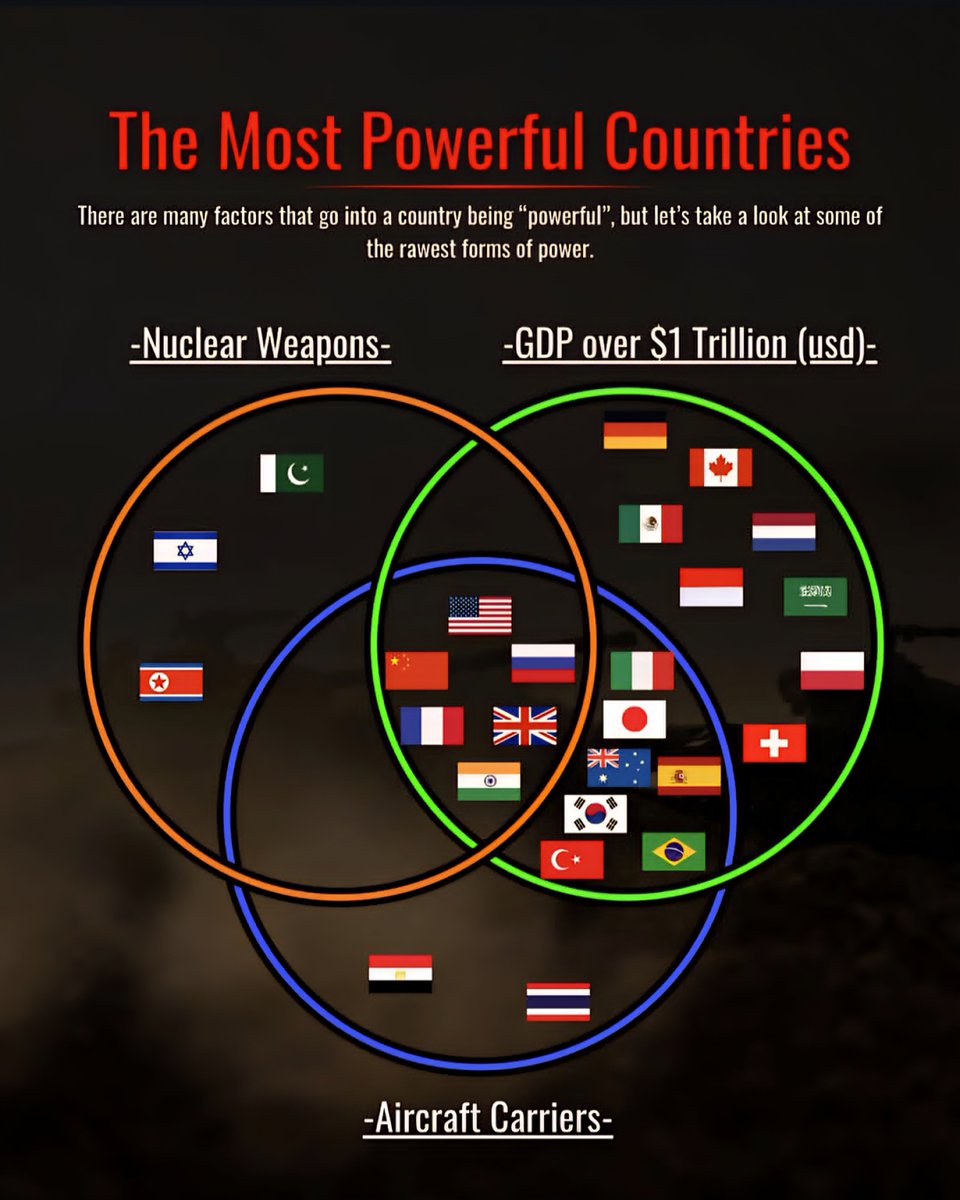
1. United States: The Unrivaled Global Superpower
The United States continues to dominate as the most powerful country in 2025. Its military strength is unmatched, boasting a budget surpassing $900 billion, which funds cutting-edge technology, a vast nuclear arsenal, and a globally deployed military presence. The U.S. leads in technological innovation, especially in artificial intelligence, space exploration, and cyber capabilities. Economically, it remains the world’s largest and most influential market, with Silicon Valley as a hub for innovation and entrepreneurship. Diplomatically, the U.S. maintains strategic alliances across NATO, Asia, and the Americas, ensuring its influence remains pervasive on the global stage.
2. China: The Rising Power
China has solidified its position as the second most powerful country in 2025. Its rapidly growing economy, which now outpaces the U.S. in some sectors, is complemented by aggressive military modernization and expanding global influence through initiatives like the Belt and Road. China’s technological advancements, especially in 5G, quantum computing, and renewable energy, have closed the gap with Western countries. The nation’s soft power is bolstered by significant investments in global infrastructure and technological diplomacy, making it a formidable contender in geopolitics.
3. Russia: A Strategic Military Powerhouse
Russia remains a key player on the world stage due to its strategic military capabilities and vast natural resources. Its military budget has increased significantly, enabling the development of advanced missile systems, cyber warfare tools, and renewed focus on nuclear modernization. Russia’s influence in Eastern Europe, the Middle East, and Central Asia continues to be substantial, leveraging energy resources and military alliances. Its resilience amid global sanctions has demonstrated its strategic independence, positioning it within the top tier of powerful nations.
4. India: The Emerging Global Force
India’s rapid economic growth and expanding military capabilities have cemented its role as a major power in 2025. With the world’s third-largest economy, India is investing heavily in technology, infrastructure, and defense modernization. Its strategic partnerships in Asia-Pacific, coupled with a burgeoning tech industry and ambitious space program, have bolstered its global stature. As a member of the G20 and with its increasing regional influence, India is viewed as the rising star among global powers, poised to challenge traditional dominance in the coming decades.
5. European Union: A Unified Political and Economic Bloc
While not a single country, the European Union as a collective continues to exert significant influence. Its combined economic strength makes it one of the top global economies, and its political cohesion enhances its diplomatic clout. EU countries lead in renewable energy policies, digital regulation, and financial markets, shaping global standards. The bloc’s ability to navigate geopolitical challenges and foster innovation has maintained its position as a central actor in international affairs, even amidst internal political shifts.
6. Japan: The Tech-Savvy Powerhouse
Japan remains a vital global player in 2025, with its advanced technology sector, particularly in robotics, automotive innovation, and electronics. Its strategic alliances within the Asia-Pacific region ensure regional stability and security. Japan’s commitment to sustainability and energy independence highlights its forward-looking approach, positioning it as a crucial contributor to global technological progress and climate policy.
7. Brazil: Latin America’s Leadership
Brazil has emerged as Latin America’s most influential country, driven by economic growth, natural resources, and regional diplomacy. Its expanding industrial sector and investments in renewable energy have increased its global footprint. Brazil’s leadership in regional organizations like MERCOSUR and its efforts to foster regional stability have strengthened its position as Latin America’s powerhouse. Its cultural influence also amplifies its global presence, positioning it as a key player in global affairs.
8. Canada: A Steady Power in the North
Canada maintains its reputation as a stable and influential country, chiefly because of its rich natural resources, technological innovation, and strong diplomatic presence. Its leadership in clean energy, particularly in hydroelectric power and sustainability initiatives, allies with its reputation for political stability. As a member of NATO and G7, Canada plays a strategic role in ensuring regional peace and supporting international development efforts.
Final Thoughts
In 2025, the landscape of global power continues to evolve, with traditional superpowers like the United States and China maintaining top positions, while rising nations such as India and Brazil are increasingly influencing the world order. The European Union remains a formidable bloc, demonstrating the importance of regional cooperation. Meanwhile, Russia and Japan reaffirm their strategic significance, and Canada’s stability provides a consistent thread in the fabric of international relations. These countries shape the global narrative through military strength, technological innovation, economic resilience, and diplomatic agility.
 ChatGPT
 Perplexity
 Gemini AI
 Grok AI