Select Language:
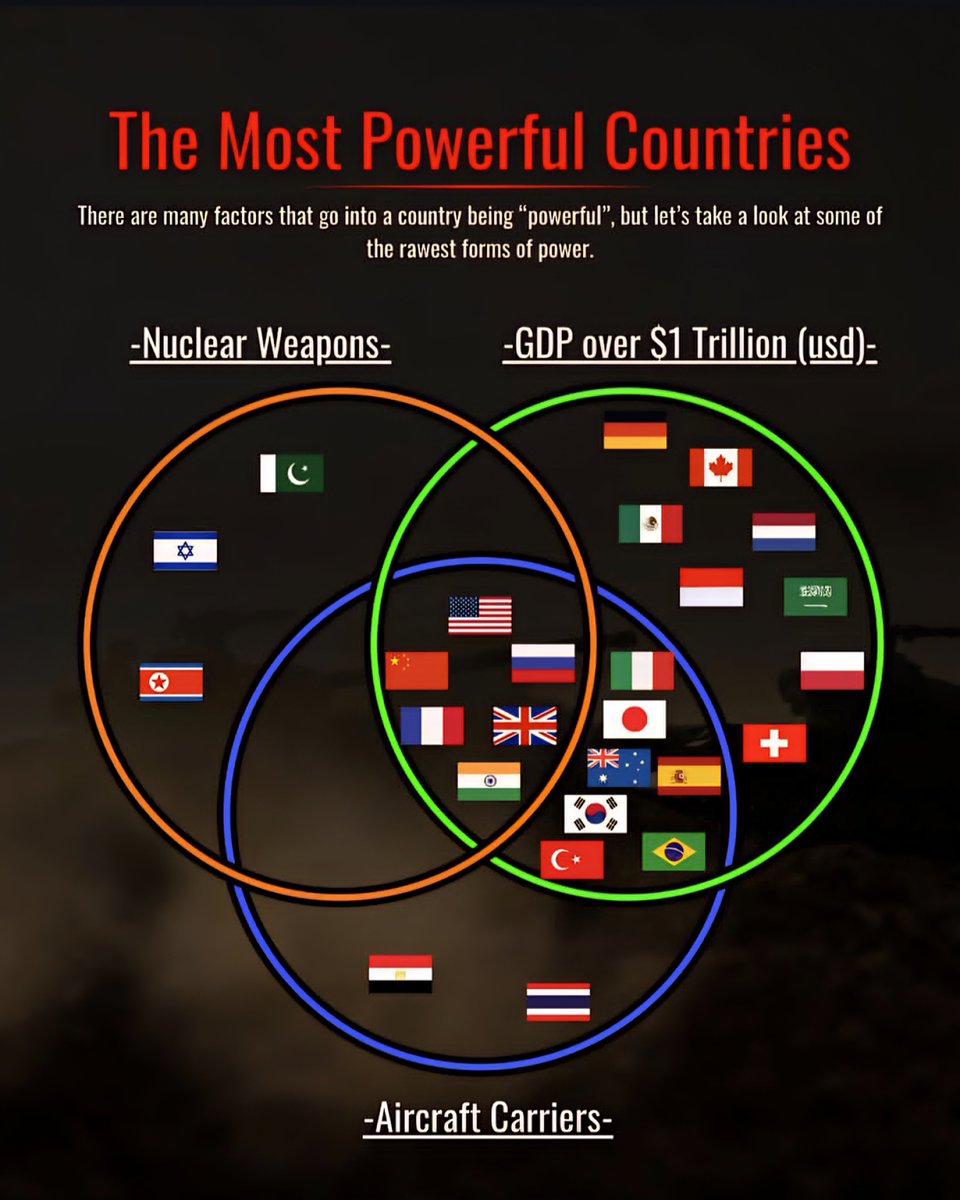
Top 7 Most Influential Countries in 2025
1. The United States: Maintaining Global Dominance
The United States continues to assert itself as the world’s most influential country in 2025. With a robust economy, innovative military technology, and a network of strategic alliances, the U.S. remains at the forefront of international politics. Its leadership in technology, finance, and cultural influence shapes global trends. Additionally, the U.S. government’s emphasis on emerging sectors such as AI and renewable energy has solidified its position as a powerhouse capable of influencing worldwide economic and technological developments.
2. China: The Rising Superpower
China has solidified its place as a global superpower, driven by its rapid economic growth, technological advancements, and expanding military capabilities. The nation’s Belt and Road Initiative has extended its influence to Africa, Asia, and Europe, boosting economic ties and political clout. In 2025, China’s focus on innovation and infrastructure investment has facilitated its dominance in 5G, quantum computing, and green technology. Its strategic position in global supply chains further amplifies its influence on world affairs.
3. Russia: An Resilient Power Player
Russia remains a significant player on the global stage, leveraging its extensive military capabilities and strategic geopolitical positioning. Its involvement in regional conflicts and energy supplies — especially natural gas — continues to impact Europe and neighboring regions. In 2025, Russia’s investments in cyber warfare, space technology, and military modernization have enhanced its ability to challenge Western dominance. Despite economic sanctions, Russia maintains its influence through regional alliances and resource control.
4. European Union: A Unified Economic Bloc
The European Union, comprising 27 member countries, wields considerable economic and diplomatic influence in 2025. With a combined GDP rivaling that of the United States and China, the bloc emphasizes sustainable development, digital innovation, and geopolitical stability. The EU’s commitment to climate change initiatives and technological sovereignty has reinforced its role as a global leader in green energy and digital regulation. Its diplomatic efforts aim to mediate conflicts and promote multilateralism, keeping it a pivotal actor in international affairs.
5. India: The Emerging Power
India’s rapid economic growth and demographic dividend position it as one of the most influential countries in 2025. With advancements in technology, space exploration, and manufacturing, India is challenging traditional power dynamics. Its Soft Power, rooted in cultural influence, alongside strategic partnerships within Indo-Pacific regions, bolster its geopolitical clout. An increasing focus on renewable energy and digital infrastructure indicates India’s readiness to shape future global policies.
6. Japan: The Tech and Innovation Fortress
Japan remains a technological powerhouse, leading the world in robotics, electronics, and sustainable energy solutions. Its commitment to innovation and high-quality manufacturing sustains its global economic importance. In 2025, Japan’s leadership in AI, autonomous vehicles, and environmental tech reinforces its influential position. The nation’s diplomatic engagement in regional security alliances also enhances its strategic importance within Asia and globally.
7. Brazil: The Latin American Leader
Brazil emerges as a significant influence in Latin America and beyond due to its vast natural resources, expanding economy, and political stability. As a key player in environmental sustainability and renewable energy, Brazil invests heavily in preserving the Amazon rainforest and developing bioenergy sectors. Its active diplomacy and regional initiatives strengthen its leadership role in Latin America, making it a vital country in shaping the continent’s future.
As global dynamics continue to evolve in 2025, these nations exemplify the strategic, economic, and technological strengths shaping the world. Their influence is rooted not only in military and economic might but also in technological innovation, diplomatic agility, and regional leadership. Staying attuned to their developments is essential for understanding the future of international relations.
 ChatGPT
 Perplexity
 Gemini AI
 Grok AI