Select Language:
The World’s Most Influential Nations in 2025
1. The United States: Continuing Global Dominance
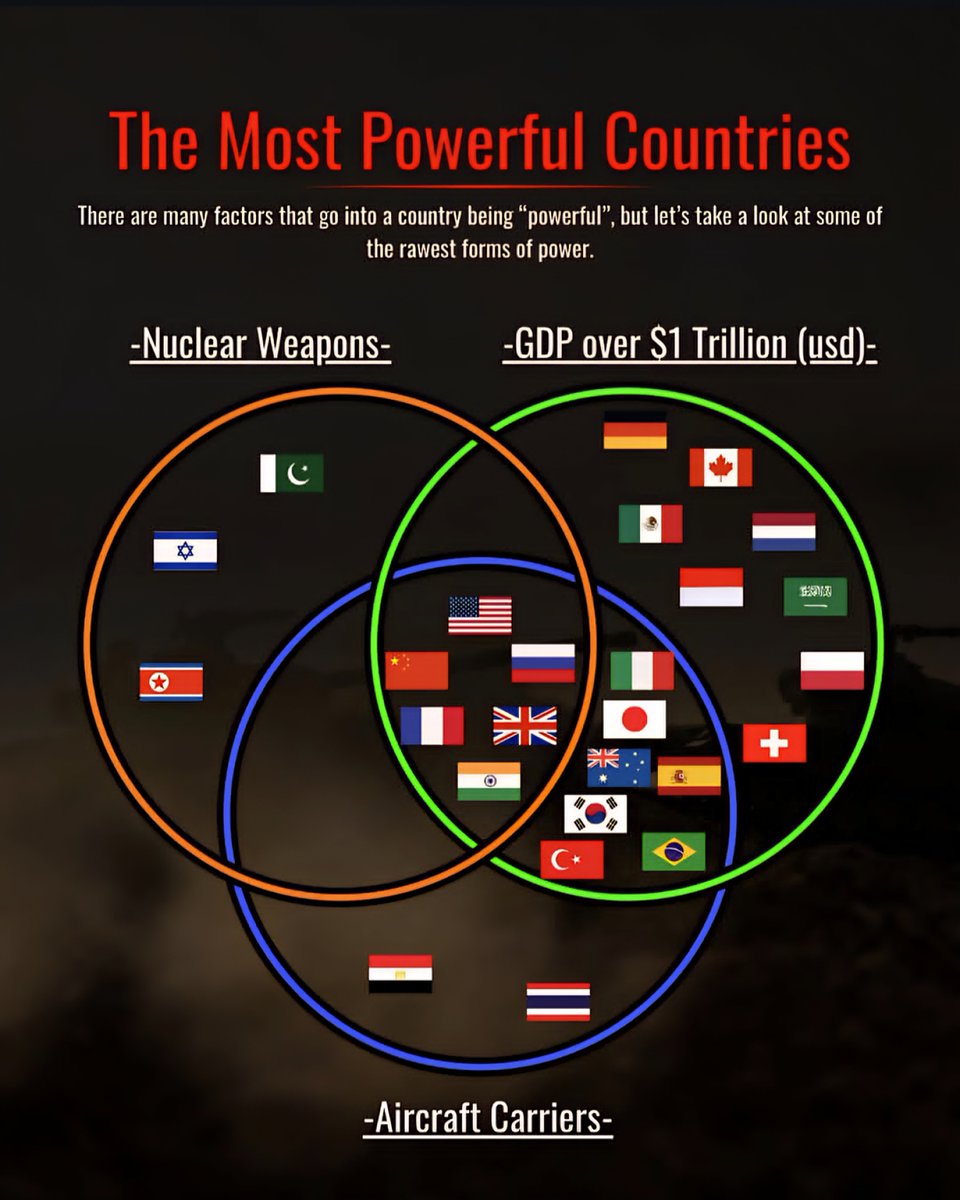
The United States remains the most influential country in the world in 2025, thanks to its unmatched military strength, technological advancements, and economic resilience. Its military budget continues to surpass that of any other nation, enabling it to project power across every continent. Moreover, Silicon Valley’s innovations keep the US at the forefront of digital technology, AI, and biotech sectors. The country’s influence extends beyond economics and tech—its cultural exports, including movies, music, and social media platforms, continue to shape global trends.
2. China: A Rising Superpower
China’s rapid economic growth over the past decade solidifies its position as a global superpower. The nation’s Belt and Road Initiative has expanded its geopolitical reach, establishing economic partnerships across Asia, Africa, and Europe. Technologically, China leads in renewable energy, 5G networks, and AI development. Its military modernization efforts, including advancements in naval and missile technology, further emphasize its strategic ambitions. While economic and political policies face scrutiny, China’s influence on the world stage is undeniable in 2025.
3. Russia: The Re-emerging Power
Despite economic challenges, Russia’s strategic moves and military prowess keep it among the world’s leading nations. Its intervention in global conflicts demonstrates its willingness to assert influence regionally and globally. Russia’s advancements in cyber capabilities and space technology continue to make it a formidable actor on the world stage. Additionally, Russia’s energy exports give it leverage over nations dependent on its fossil fuels, especially as global energy markets evolve.
4. The European Union: A Cohesive Power
The European Union has become a unified political and economic bloc with significant clout. Its commitment to renewable energy, technological innovation, and social policies shapes its influence. In 2025, the EU’s emphasis on green technology positions it as a leader in climate change mitigation, while its robust digital economy ensures competitiveness. While internal disagreements sometimes challenge cohesion, the EU remains a major global player in diplomacy and trade.
5. India: An Emerging Global Power
India’s rapid economic growth, demographic advantages, and technological investments have elevated its status. With a youthful population driving innovation, India is becoming a pivotal player in fields like space exploration, digital technology, and defense. Its expanding military capabilities, alongside strategic alliances across Asia and Africa, bolster its regional influence. As a member of BRICS, India plays a vital role in shaping a multipolar world order in 2025.
6. Japan: The Technological Innovator
Japan retains its position as a technological powerhouse, leading in robotics, automotive engineering, and sustainable energy solutions. Its smart cities and advancements in AI contribute to a resilient economy. Japan’s strategic partnerships with Western nations and focus on cybersecurity bolster its diplomatic influence. Despite slower population growth, Japan’s innovation-driven economy sustains its stature among the top influential countries.
7. Brazil: The Voice of the Global South
Brazil’s rich resources, combined with its large economy and ecological significance, make it a crucial player among global emerging nations. Its leadership in sustainable development and preservation of the Amazon rainforest elevates its international profile. Brazil’s diplomatic efforts in regional stability and inclusion of Latin American nations in global decision-making continue to grow in importance as the world seeks sustainable and equitable leadership.
8. Nigeria: Africa’s Power Player
Nigeria’s economic diversification and youthful population have propelled it to the forefront of African influence. Its booming tech industry, primarily in fintech and mobile tech, positions Nigeria as a leader in digital innovation within the continent. Additionally, its expanding oil and gas sector bolsters its economy, making Nigeria a critical partner in Africa’s future development and a rising voice in global forums.
9. South Korea: A Global Technological Leader
South Korea’s cutting-edge advancements in semiconductor manufacturing, 5G technology, and sustainable energy reinforce its position as a technological leader. Its robust economy, resilient supply chains, and strategic alliances, especially with the United States, keep South Korea at the forefront of global influence. Koreans’ cultural exports, like K-pop and Korean cinema, continue to resonate worldwide, enhancing soft power.
10. Canada: The Diplomatic Bridge
Canada’s diplomatic finesse, environmental leadership, and high standard of living cement its influence. Its focus on climate initiatives, peaceful diplomacy, and peacekeeping missions set it apart on the global stage. Additionally, its innovation in clean energy and healthcare positions Canada as a model for sustainable development. Its strong alliances with Western nations and leadership within international organizations amplify its global voice.
In 2025, these nations exemplify how economic strength, technological innovation, military capability, and diplomatic ties combine to establish global influence. As the world continues to evolve, these countries are poised to shape policies, innovation, and international relations for years to come.
 ChatGPT
 Perplexity
 Gemini AI
 Grok AI