Select Language:
Top 10 Most Influential Countries in 2025
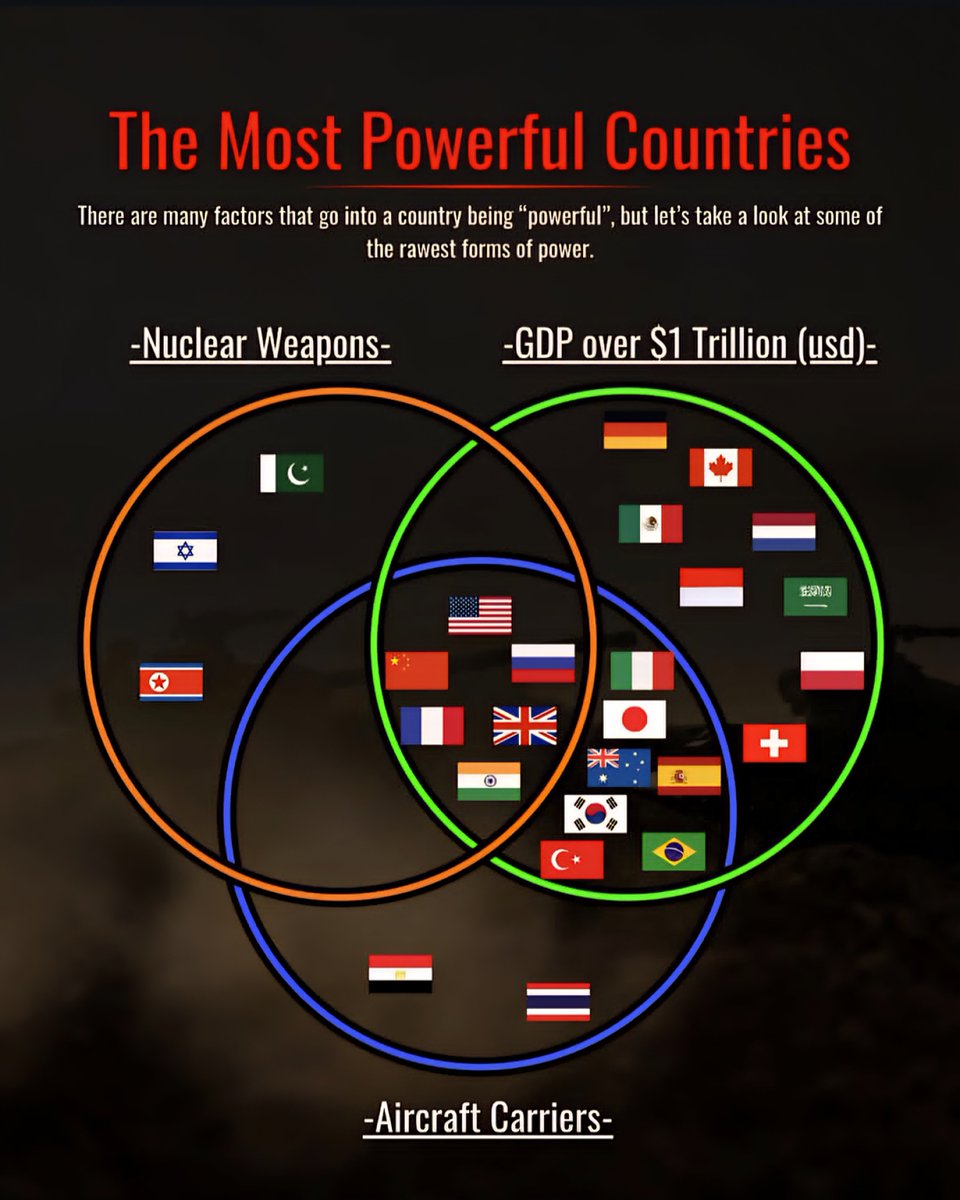
1. United States: Leading the Global Power Play
The United States remains at the pinnacle of global influence in 2025, thanks to its robust military capabilities, technological innovation, and economic strength. Its strategic alliances, especially with NATO and emerging partnerships in Asia-Pacific, continue to shape international security policies. The U.S. also dominates the tech industry, with Silicon Valley spearheading advancements in artificial intelligence, quantum computing, and clean energy. Its soft power remains formidable through global cultural exports, media, and higher education institutions.
2. China: The Rising Superpower
China has cemented its position as a global superpower, driven by impressive economic growth and technological dominance. The country’s Belt and Road Initiative has expanded its influence across Asia, Africa, and Europe. Beijing’s advancements in 5G technology, renewable energy, and space exploration reflect its goal to compete with Western nations. The Chinese government’s increasing military investments bolster its strategic positioning, especially in the Indo-Pacific region.
3. Russia: The Resilient Player
Despite sanctions and geopolitical challenges, Russia maintains its influence through military strength, energy resources, and strategic diplomacy. Its involvement in regional conflicts, particularly in Eastern Europe and the Middle East, underscores its determination to sustain regional dominance. Moscow also invests heavily in cyber capabilities and space technology, positioning itself as a formidable digital and physical power on the world stage.
4. India: The Emerging Powerhouse
India’s rapid economic growth and expanding military capabilities make it one of the top influential nations today. With the world’s second-largest population, India is becoming a critical player in global supply chains and digital markets. Its focus on renewable energy, technological education, and defense modernization aims to challenge traditional power structures in the coming decades. Additionally, India’s leadership in South Asia underscores its strategic importance.
5. Germany: The European Anchor
As Europe’s largest economy, Germany remains a key player in global economics and diplomacy. Its leadership within the European Union helps shape regional policies on climate change, trade, and security. Germany’s innovation in green energy, automotive technology, and engineering continues to set standards worldwide. Its skilled workforce and technological infrastructure solidify its influence both in Europe and globally.
6. Japan: Technological Titan
Japan’s commitment to cutting-edge technology, robotics, and sustainable infrastructure keeps it at the forefront of innovation. As an influential player in regional security, Japan maintains strong relations with the United States and its neighbors. Its strategic investments in space exploration and renewable energy are part of its broader goal to enhance resilience amid global challenges.
7. United Kingdom: The Global Diplomatic Hub
Post-Brexit, the UK has redefined its international role through strategic diplomacy, finance, and cultural influence. London remains a global financial center, attracting businesses and investors worldwide. The UK’s innovative sectors such as fintech, film, and aerospace continue to foster soft power. Its active engagement in international organizations shapes global policies across diverse sectors.
8. France: The Cultural and Military Powerhouse
France’s influence extends through its rich history, cultural heritage, and military capabilities. As a permanent member of the UN Security Council, France plays a vital role in peacekeeping and security efforts worldwide. Its leadership in renewable energy initiatives and nuclear technology underscores its strategic importance. France also continues to be a leading voice in global climate diplomacy.
9. South Korea: The Tech Innovator
South Korea stands out for its advancements in consumer electronics, semiconductors, and IT infrastructure. Home to giants like Samsung and LG, the country is a key global supplier in the tech ecosystem. South Korea’s military alliances and strategic diplomacy in the Asia-Pacific region bolster its influence amid regional tensions. Its focus on innovation positions it as an important global player.
10. Canada: The Stable Powerhouse
Canada maintains its reputation as a politically stable and resource-rich country. Its leadership in sustainable energy, environmental protection, and multicultural diplomacy has garnered international respect. Canada’s strategic partnerships, particularly with the United States and European nations, enhance its regional influence. Its active participation in peacekeeping missions and global development initiatives underscores its soft power.
Conclusion
The geopolitical landscape in 2025 illustrates a world where influence is multifaceted, combining military strength, technological innovation, economic power, and diplomatic finesse. These ten countries exemplify the diversity of strategies and ambitions shaping our global future. As international alliances shift and new challenges emerge, their roles will continue to evolve, defining the world order for years to come.
 ChatGPT
 Perplexity
 Gemini AI
 Grok AI