Select Language:
Top 10 Most Powerful Countries in 2025
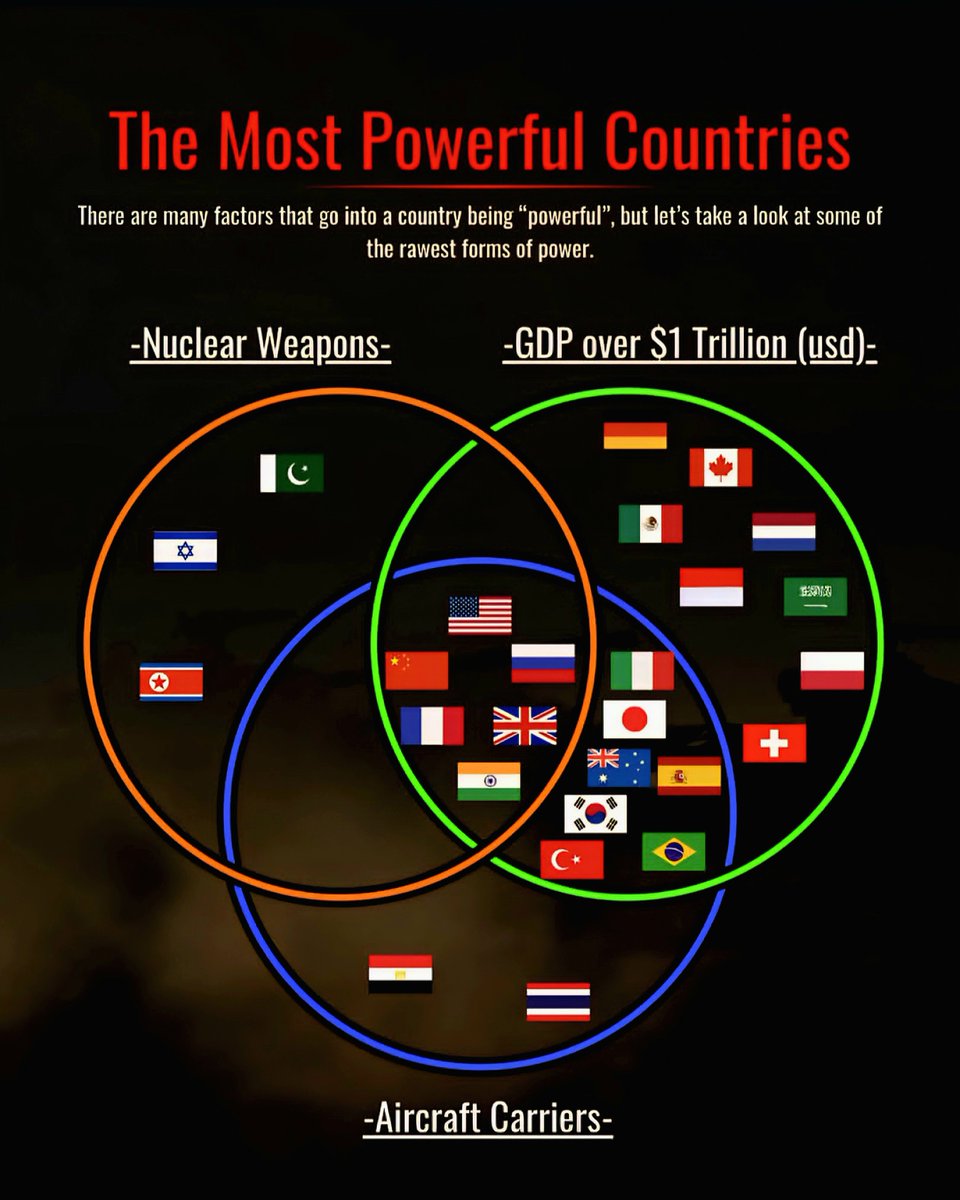
In 2025, global power dynamics are shifting as nations continue to evolve economically, militarily, and diplomatically. The following list highlights the top ten countries leading the way in influence, technology, and geopolitical strength today.
1. United States: The Enduring Superpower
Despite rising competition, the United States maintains its position as the world’s most influential country. Boasting the strongest military and a dominant technological sector, the U.S. continues to set the tone in global politics. From economic prowess fueled by innovation to extensive international alliances, America’s influence remains unmatched. In 2025, its leadership in AI, space exploration, and financial markets solidifies its position at the top.
2. China: The Rising Global Power
China’s rapid economic growth and technological advancements have made it a formidable contender on the world stage. Its expanding military capabilities and strategic Belt and Road Initiative underscore Beijing’s ambition to reshape global influence. In 2025, China stands as a close rival to the U.S., with its economic size and military strength surging forward, challenging longstanding Western dominance.
3. Russia: The Strategic Powerhouse
Russia remains a significant force in geopolitics through its military capabilities and resource wealth. Moscow’s strategic alliances and nuclear arsenal ensure its influence persists in global negotiations. Despite economic challenges, Russia’s ability to project power through cyber warfare, energy diplomacy, and military interventions keeps it high on the list of influential nations.
4. European Union: The Collective Force
Although not a single nation, the European Union (EU) functions as a collective superpower with substantial economic, diplomatic, and cultural influence. Germany, France, and other members are pivotal in shaping policies on climate change, digital regulation, and international trade. The EU’s unified stance on issues like sustainability and cybersecurity in 2025 position it as a global leader.
5. India: The Emerging Power
India’s fast-growing economy and expanding technological sector are propelling it into the ranks of influential nations. With a population of over 1.4 billion, India leverages its demographic advantage, increased defense spendings, and technological innovation. By 2025, India is positioning itself as a key player in global geopolitics, particularly in Asia and Africa.
6. Japan: The Technological Innovator
Japan continues to lead in robotics, electronics, and technological innovation. Its close alliance with the U.S. and regional influence in Asia reinforce its strategic importance. With a strong economy and resilient military capabilities, Japan’s role in maintaining regional stability remains crucial in 2025.
7. United Kingdom: The Global Diplomatic Hub
The UK maintains its influence through diplomacy, finance, and technology sector strength. London’s status as a global financial capital, along with its strategic partnerships worldwide, sustains Britain’s geopolitical relevance. In 2025, the UK continues to weigh heavily in international matters.
8. Canada: The Peaceful Power
Canada’s leadership in peacekeeping, diplomacy, and environmental policies gives it considerable soft power on the international stage. Its stable economy and high quality of life make it influential in global governance issues, including climate change and human rights initiatives.
9. South Korea: The Innovation Powerhouse
South Korea’s advancements in technology — especially semiconductors, consumer electronics, and AI — have cemented its reputation as an innovation hotspot. Its strategic alliances with the U.S. and its role in regional security bolster its global influence in 2025.
10. Australia: The Strategic Gateway
Australia’s geopolitical position in the Pacific, combined with its resource wealth and regional security partnerships, makes it a key player in Asia-Pacific affairs. Its leadership in environmental sustainability and technology further enhances its global stature in 2025.
This list demonstrates how global influence is increasingly multifaceted, combining military strength, economic power, technological innovation, and diplomatic resilience. As nations continue to adapt to the evolving geopolitical landscape, the balance of power in 2025 remains dynamic and competitive.
Note: The rankings are based on a composite of military capability, economic strength, technological advancement, and diplomatic influence as of 2025.
 ChatGPT
 Perplexity
 Gemini AI
 Grok AI