Select Language:
The Most Influential Countries in 2025
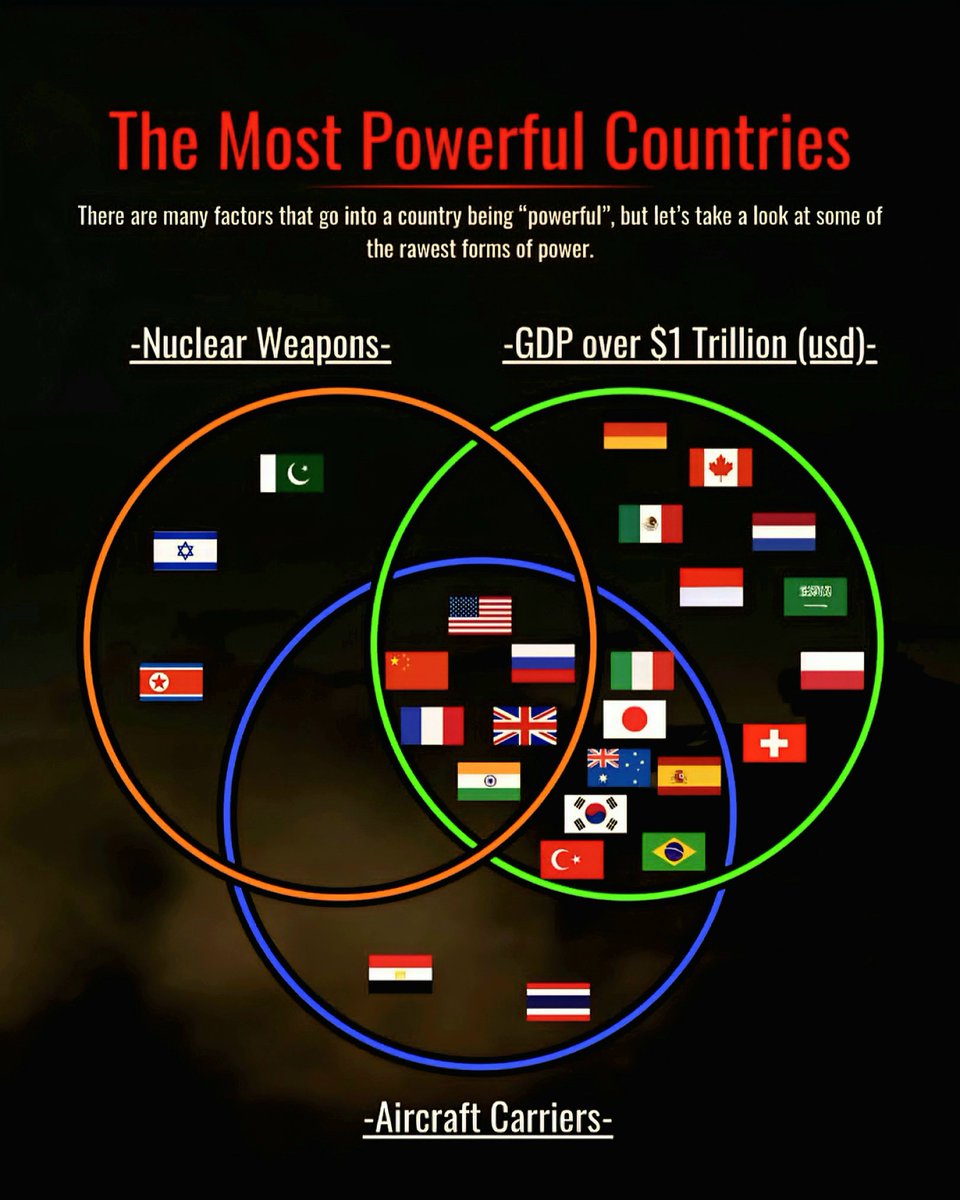
1. The United States: Still Leading the Global Stage
In 2025, the United States continues to hold its position as the world’s most powerful country. With a robust economy, cutting-edge technology sector, and unmatched military strength, America remains at the forefront of global influence. The nation’s innovation hubs, like Silicon Valley, drive advancements in AI, cybersecurity, and renewable energy, solidifying its economic and technological dominance. Additionally, America’s soft power, through cultural exports and diplomatic influence, sustains its leadership role worldwide.
2. China: Rising Power with Strategic Influence
China has solidified its place as a global superpower, leveraging rapid economic growth and strategic geopolitical initiatives. Over the past few years, China’s Belt and Road Initiative has expanded its influence to Africa, Asia, and Europe, fostering stronger economic ties. Its advancements in 5G, quantum computing, and green energy are rapidly closing the innovation gap with Western nations. The country’s military modernization and assertive foreign policy assert its influence across the Indo-Pacific region and beyond.
3. The European Union: A Compact Yet Powerful Bloc
While not a single nation, the European Union has emerged as a unified geopolitical and economic force in 2025. Collectively, its member countries boast substantial economic output and a strong commitment to sustainability and digital innovation. The EU’s unified approach to climate policy, digital transformation, and defense cooperation enhances its global stature. Countries like Germany, France, and Italy continue to be key drivers, shaping policies that impact global commerce and diplomacy.
4. Russia: Maintaining Its Influence Amid Challenges
Russia remains a potent geopolitical player, largely due to its vast natural resources, military capabilities, and strategic alliances. Its involvement in regional conflicts and efforts to strengthen relationships with China and other nations have kept its influence relevant. Russia’s advancements in cyber warfare and space technology also contribute to its status as a significant power. However, economic challenges and Western sanctions have somewhat constrained its international reach compared to previous decades.
5. India: The Emerging Titan
India’s rapid growth over recent years has positioned it as a major power in 2025. Its large population, burgeoning tech industry, and expanding military make it a key player on the global stage. India is increasingly involved in shaping international trade and climate policy, and its strategic partnerships with nations like the United States and Japan bolster its influence. With ambitious plans for space exploration and technology, India is poised to challenge traditional power hierarchies.
6. Japan: Innovation and Stability
Japan remains a technological powerhouse known for its innovation in robotics, automotive engineering, and electronics. Its strategic economic reforms and investments in AI and green technologies have kept it competitive globally. Despite demographic challenges, Japan’s stability and alliances, especially within the Indo-Pacific region, bolster its influence. The country continues to be a vital ally for Western nations and an important player in international diplomacy.
7. Brazil: Leading Latin America
Brazil stands out as the dominant power in Latin America by 2025. Its abundant natural resources, agricultural exports, and growing green tech sector contribute to its regional leadership. Brazil’s robust economy, coupled with its increasing influence in international forums like BRICS, highlights its importance in global affairs. Focused efforts on sustainable development and infrastructure modernization are further elevating its global profile.
8. Canada: The Northern Powerhouse
Canada’s vast natural resources, strong economy, and diplomatic approach have kept it influential. The nation’s leadership in climate policy, refugee support, and technological innovation enhances its global reputation. Canada’s strategic alliances within NATO and its emphasis on peacekeeping solidify its position as a stable yet influential country on the world stage.
9. South Korea: Innovation and Diplomacy
South Korea continues to thrive as a leader in semiconductor manufacturing, consumer electronics, and biotech. Its proactive diplomatic engagement, particularly within Asia, helps maintain regional stability and expand its influence. The nation’s investments in future technologies like quantum computing and AI ensure its role as an innovation hub, strengthening its impact globally.
10. Australia: A Key Partner in the Indo-Pacific
Australia’s strategic location and resource-rich economy make it a crucial partner in the Indo-Pacific region. Its active participation in regional security and trade agreements enhances its position as a vital player. Australia’s focus on clean energy, environmental conservation, and technological development keeps it relevant in shaping future global policies.
In a rapidly evolving geopolitical landscape, these nations exemplify power, influence, and strategic adaptability. As 2025 progresses, the global balance continues to shift, emphasizing cooperation, innovation, and diplomacy among the world’s top powers.
 ChatGPT
 Perplexity
 Gemini AI
 Grok AI