Select Language:
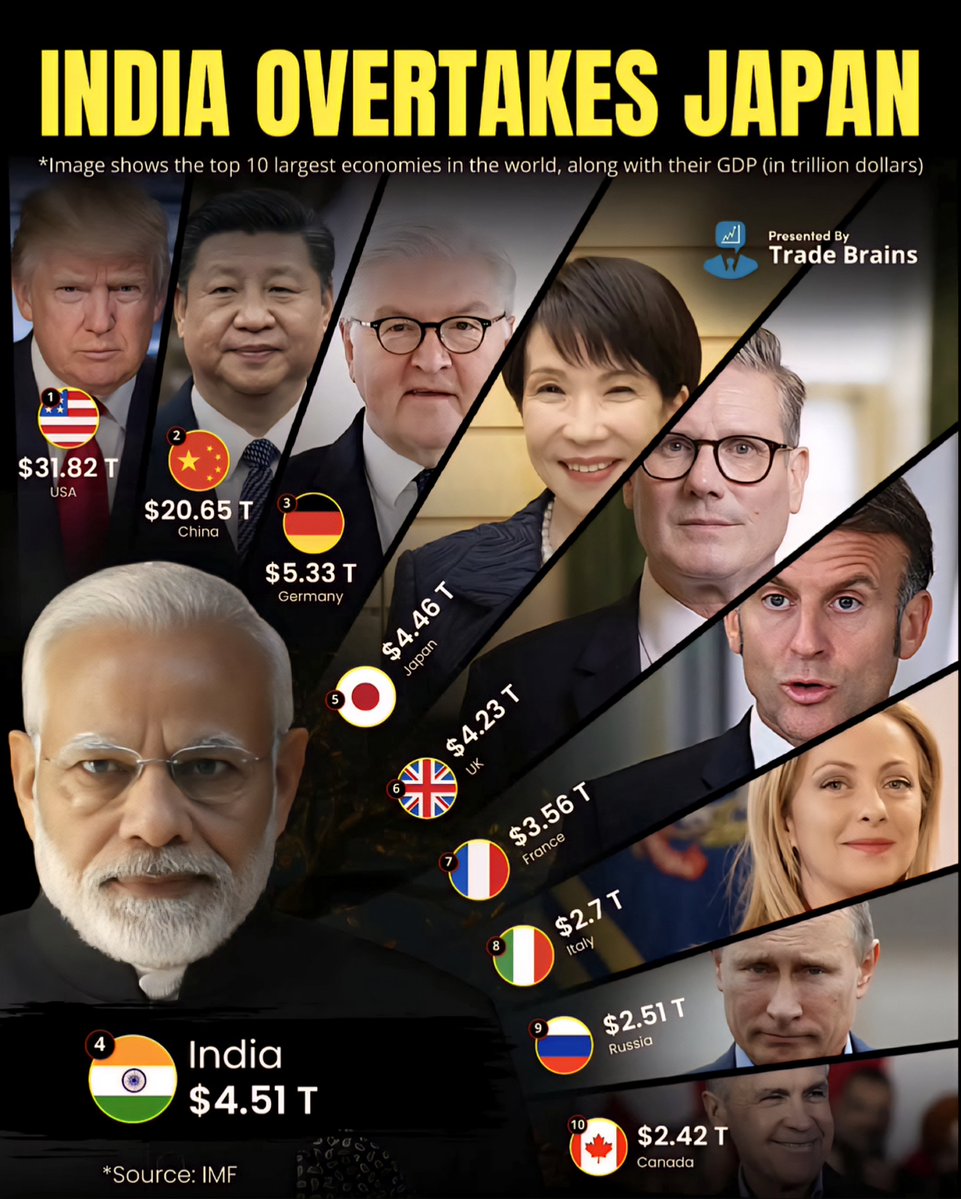
2025’s Largest Economies in the World: A Closer Look
The United States Continues Its Dominance with Over $31.8 Trillion
The United States maintains its position at the top of the world’s largest economies in 2025, boasting a nominal GDP of approximately $31.82 trillion. The U.S. economy’s resilience is driven by its diverse industries, technological innovation, and a robust service sector. As the world’s largest consumer market, it continues to attract international investments, underpinning its economic strength despite global uncertainties.
China Surpasses $20.6 Trillion, Cementing Its Global Economic Status
China remains the second-largest economy globally with a GDP of around $20.65 trillion. Over the past few years, China has stabilized its growth after rapid expansion, focusing on technological advancements, high-value manufacturing, and expanding its influence in global trade. The country’s ongoing investments in infrastructure and innovation are key factors fueling its economic momentum.
Germany Maintains Its Leadership in Europe with Over $5.3 Trillion
German economy, valued at roughly $5.33 trillion, consolidates its position as Europe’s largest economy. Known for its engineering, automotive, and manufacturing prowess, Germany continues to be a powerhouse in global export markets. Its economic stability is complemented by a strong industrial base and strategic trade partnerships across the world.
India’s Economic Ascension Reaches Over $4.5 Trillion
India’s economy has experienced remarkable growth, reaching an estimated $4.51 trillion in 2025. An expanding middle class, advances in technology, and government reforms have fueled this rise. India is emerging as a significant player in sectors like technology, pharmaceuticals, and renewable energy, positioning itself for sustained growth.
Japan’s Steady Economic Performance Near $4.5 Trillion
Japan’s economy, valued at approximately $4.46 trillion, continues to be a technological and manufacturing hub despite demographic challenges. Its advanced infrastructure, innovation capacity, and strong export sector sustain its place among the top economies. Japan also invests heavily in robotics and automation, keeping its industrial edge sharp.
The UK Holds Strong at Over $4.2 Trillion
The United Kingdom’s economy, estimated at $4.23 trillion, remains influential in global finance and services. London continues to be a major international financial center, and the UK’s diverse economy includes sectors like banking, technology, and creative industries, helping it maintain its economic stature post-Brexit.
France’s Economy Remains Resilient at $3.56 Trillion
France, valued at about $3.56 trillion, boasts a strong industrial base, vibrant tourism, and a leading agricultural sector. Paris remains a global hub for fashion, culture, and business, contributing significantly to its economic strength.
Italy’s Economy Stabilizes at $2.7 Trillion
Italy’s GDP of roughly $2.70 trillion reflects resilience despite economic reforms and political challenges. Italy’s strong tourism industry, luxury goods sector, and manufacturing continue to support its economy’s stability and growth prospects.
Russia’s Economy at $2.51 Trillion Shows Signs of Recovery
Russia’s economy, around $2.51 trillion, has been on a gradual recovery trajectory. High energy prices, increased foreign investment, and efforts to diversify beyond oil and gas have contributed to its recent stabilization and growth.
Canada Rounding Out the Top 10 with $2.42 Trillion
Canada’s economy, valued at approximately $2.42 trillion, benefits from abundant natural resources, a stable banking system, and a strong manufacturing sector. Its trade relationships, particularly with the U.S., continue to be pivotal for economic growth.
Source: IMF, Nominal GDP via Trade Brains
 ChatGPT
 Perplexity
 Gemini AI
 Grok AI