Select Language:
Unpacking the $127 Trillion Global Stock Market Sell-Off in 2025
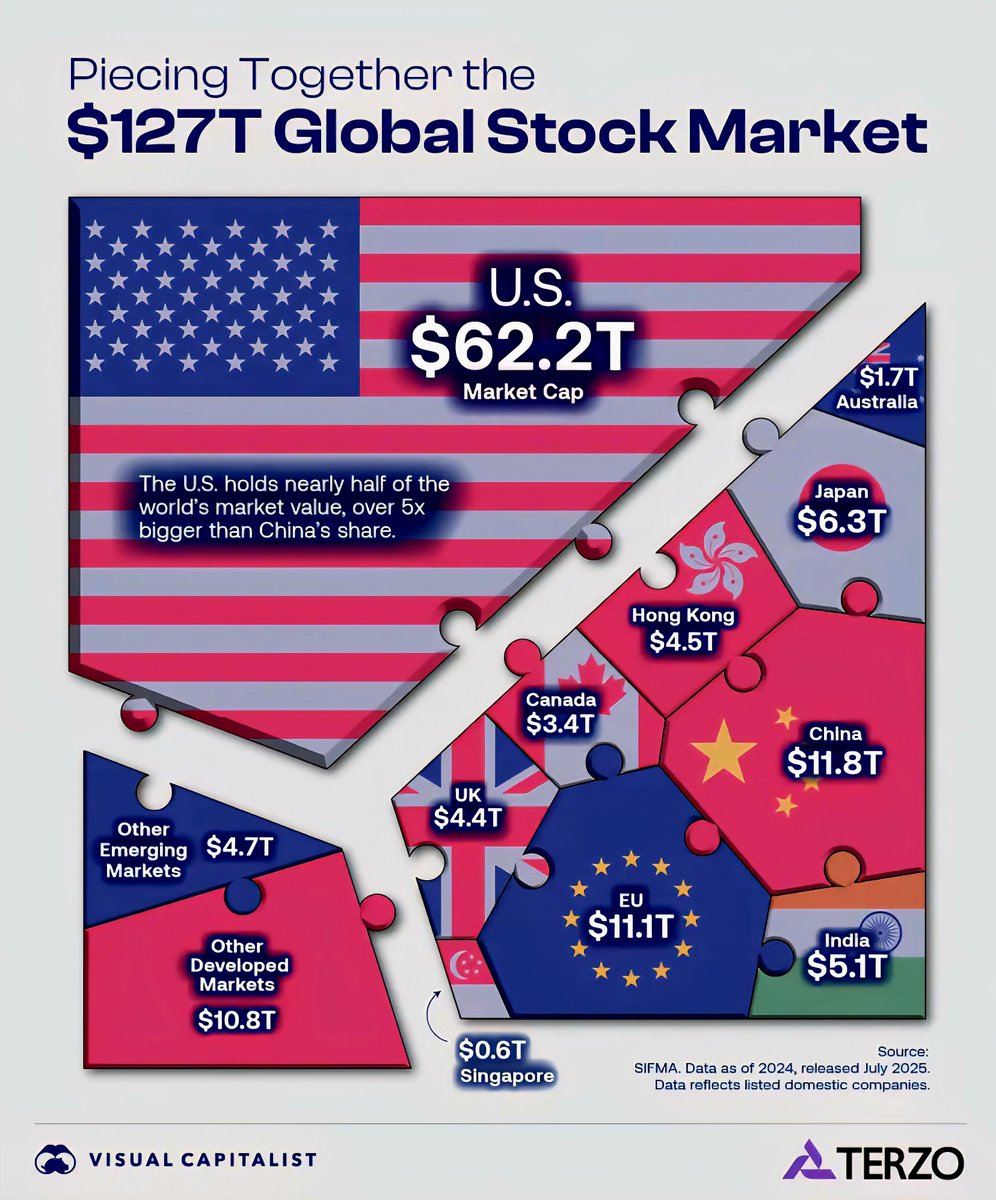
The year 2025 has been marked by an unprecedented decline across worldwide stock markets, sparking fears of a financial crisis on a scale not seen for decades. With the global stock market value dropping dramatically from its peak, investors and analysts are scrambling to understand the scope and implications of this massive downturn. Here’s a detailed breakdown of what’s happening this year:
1. The Magnitude of the Market Collapse
The world’s stock markets have collectively shed approximately $127 trillion in market value—an unprecedented loss in terms of both actual dollars and relative market value. This figure, which dwarfs previous downturns, signifies a sharp retreat from high valuations seen over the prior years. Experts are comparing the current situation to the 2008 financial crisis but note that the scale of this collapse surpasses past events, signaling a potential reset of global financial systems.
2. Factors Fueling the Decline
Several overlapping factors have fueled this historic downturn:
- Rising Interest Rates: Major central banks, including the Federal Reserve, ECB, and others, have maintained aggressive interest rate hikes in an effort to combat inflation, which has traditionally dampened stock valuations.
- Inflationary Pressures: Despite the rate hikes, inflation remains stubbornly high in many economies, undermining consumer confidence and corporate earnings.
- Geopolitical Tensions: Persistent conflicts, especially in Eastern Europe and Asia, have created a climate of economic uncertainty that investors are wary of.
- Tech Sector Woes: Leading technology companies, which previously drove much of the stock market gains, are experiencing significant declines due to regulatory pressures and waning investor enthusiasm.
- Debt Crisis Warnings: Emerging markets are showing signs of debt distress, raising fears of contagion effects on the global economy.
3. Impact on Global Economy and Investors
The fallout from this stock market collapse is already evident:
- Retirement Funds and Pensions: Millions are seeing their retirement savings shrink, with some funds halting withdrawals to prevent further depletion.
- Corporate Capital Access: Companies are experiencing higher borrowing costs, slowing expansion plans, and causing layoffs in many sectors.
- Consumer Spending: With wealth erosion and increased economic uncertainty, consumer confidence is at historic lows, leading to decreased spending worldwide.
- Banking Sector Stress: Financial institutions, especially those heavily invested in equities or with significant exposure to debt-laden emerging markets, face increased risks of defaults.
4. Regions Most Affected by the Crash
While every continent feels the tremors of this downturn, some regions are faring worse than others:
- United States: The NASDAQ and S&P 500 indices have plummeted, dragging the overall US economy into a recession.
- Europe: European stocks have hit multi-year lows amid energy crises and political instability.
- Asia: Asian markets, particularly China and Japan, are suffering due to declining export demand and internal economic challenges.
- Emerging Markets: Countries like Brazil, India, and South Africa are experiencing currency devaluations and rising debt costs.
5. Future Outlook and Possible Recovery Pathways
While the current environment looks bleak, analysts suggest several potential paths forward:
- Policy Interventions: Central banks could shift to more accommodative policies if they prioritize stabilizing markets over inflation control.
- Structural Reforms: Governments might implement reforms to stimulate growth and rebuild investor confidence.
- Global Coordination: International cooperation could help contain the crisis and prevent economic contagion.
- Market Correction: Some believe that this sharp correction might pave the way for a healthier, more sustainable market recovery in the long term, especially if inflation and geopolitical tensions are managed effectively.
6. What Investors Should Do Now
With volatility at an all-time high, investors need to reassess their strategies:
- Diversify Portfolio: Focus on vital sectors and incorporate assets like gold or bonds that tend to hedge against market downturns.
- Focus on Fundamentals: Invest in companies with strong balance sheets and solid earnings rather than speculative stocks.
- Avoid Panic Selling: Trying to time the market during such turbulence can cause further losses. A long-term outlook remains crucial.
- Stay Informed: Keeping up with global economic news and policy shifts can provide vital insights into potential turning points.
7. Conclusion: A Turning Point in Financial History?
The current slump in the global stock market marks a historic moment in financial history. Whether it leads to a prolonged recession or a swift recovery depends on a complex interplay of policy decisions, geopolitical developments, and market sentiment. As the world navigates these turbulent waters, those with patience, discipline, and a clear understanding of risks and opportunities will be better positioned to emerge resilient.
In this tumultuous landscape, one thing is clear: the $127 trillion loss signals a pivotal transition, reminding investors and nations alike of the importance of adaptability and cautious strategizing in uncertain times.
 ChatGPT
 Perplexity
 Gemini AI
 Grok AI