Select Language:
1. United States: A Powerhouse of Natural Resources
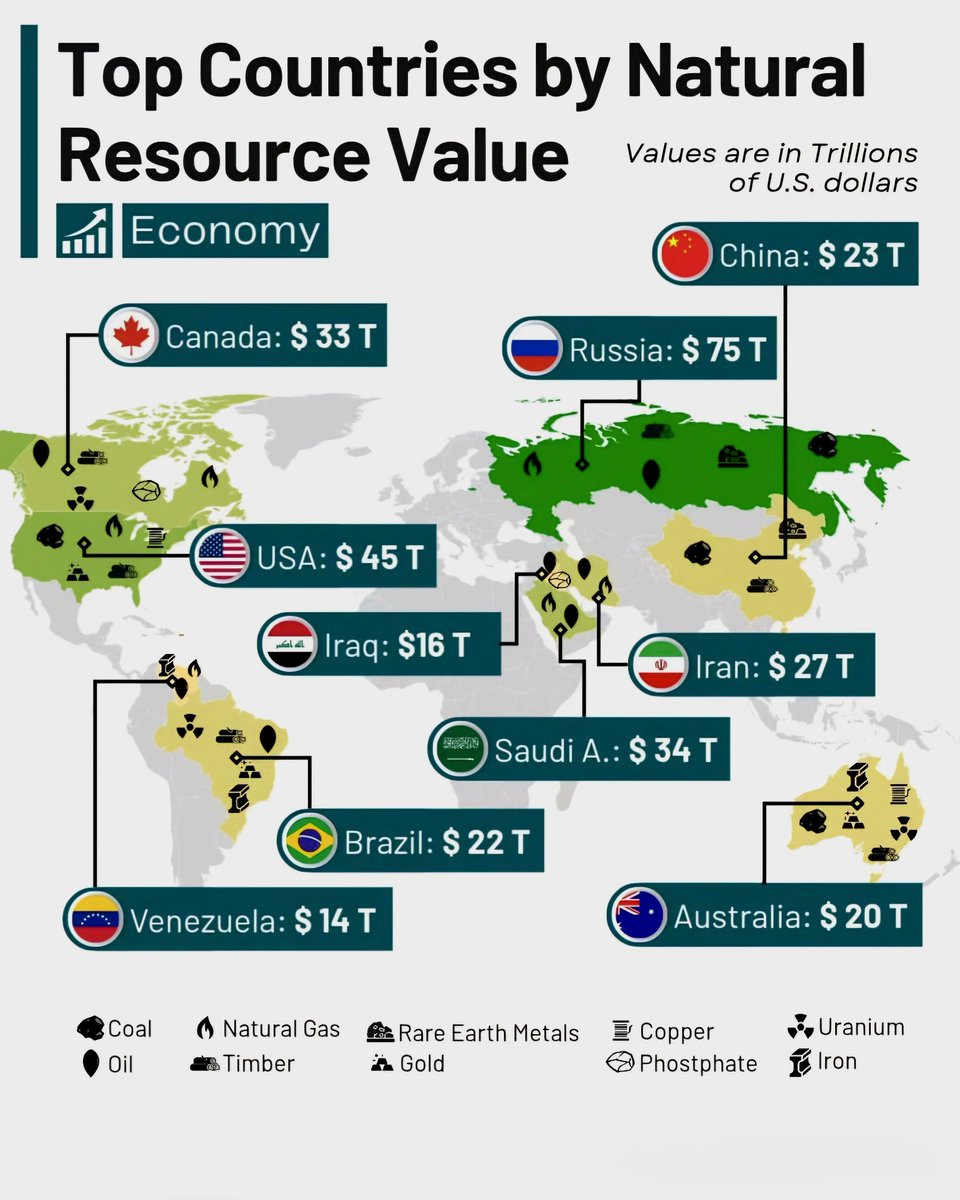
The United States remains at the forefront of countries rich in natural resources, thanks to its vast and diverse landscape. From extensive oil reserves in Texas to massive coal deposits in Wyoming, and significant natural gas fields across the country, the U.S. maintains a dominant position in energy production. Additionally, the nation boasts abundant mineral resources such as copper, gold, and iron ore, supporting a robust manufacturing sector. The U.S. also benefits from extensive arable land, making it a top producer of agricultural commodities. All these factors contribute to the country’s high resource value, making it a global economic leader.
2. Russia: Rich in Oil, Gas, and Minerals
Russia’s vast expanse makes it one of the richest nations in natural resources. The country is a leading exporter of crude oil and natural gas, particularly from the Siberian region. Russia’s mineral deposits include rare earth elements, diamonds, nickel, and aluminum, fueling both its domestic industries and the global market. The country’s extensive forests also supply substantial timber resources. These diverse resources underpin Russia’s strategic economic position and influence on global energy markets. With abundant reserves, Russia continues to be a key player in natural resource exports.
3. Canada: The Economy’s Resource Backbone
Canada’s natural wealth is a cornerstone of its economy. The country holds substantial reserves of oil sands in Alberta, which have become a critical part of its energy exports. Apart from fossil fuels, Canada has large deposits of minerals, including gold, nickel, zinc, and uranium. The country’s vast boreal forests support the timber industry, and freshwater lakes provide abundant fresh water resources. With its sustainable approach to resource management, Canada maintains high resource value while balancing environmental concerns.
4. China: A Growing Resource Power
While known for manufacturing, China is also a significant player in natural resource reserves. The country boasts sizable coal deposits, which are a primary energy source domestically. It also holds considerable reserves of rare earth elements, crucial for electronics and green technologies. China’s mineral resources include iron ore, aluminum, and lead, supporting both its industrial growth and exports. Moreover, China invests heavily in resource extraction projects abroad, extending its influence globally.
5. Australia: The Land of Mineral Wealth
Australia’s resource sector is a vital part of its economy, chiefly driven by its mineral wealth. It is the world’s leading producer of iron ore, which powers global steel manufacturing. The country also has rich deposits of coal, bauxite (for aluminum production), gold, and copper. Its vast arid lands and extensive coastline facilitate large-scale mining and export activities. Australia’s commitment to sustainable mining practices bolsters its position as a top resource-rich nation.
6. Brazil: The Biodiversity and Mineral Powerhouse
Brazil is recognized for its rich biodiversity and extensive mineral resources. It is a leading producer of iron ore, which fuels its steel industry, and also extracts valuable bauxite, gold, and gemstones like amethyst and topaz. The Amazon rainforest, although primarily known for its ecological significance, also contains mineral deposits. Brazil’s natural resources support its growing infrastructure projects and export economy. Ongoing investments aim to enhance sustainable extraction practices.
7. India: An Emerging Resource Giant
India’s vast population and growing economy drive demand for natural resources. The country holds significant coal reserves, essential for electricity generation, and has sizable reserves of iron ore, bauxite, and mica. India also has substantial deposits of rare earth elements and minerals vital for electronics manufacturing. The nation is increasingly investing in overseas resource acquisition to meet its rising domestic needs and reduce dependency on imports.
8. South Africa: Africa’s Mineral Hub
South Africa’s natural resource wealth is legendary, especially in minerals like gold and platinum. The country is the world’s largest producer of platinum and a major producer of diamonds, manganese, and chromium. These resources are pivotal for the global jewelry and manufacturing industries. South Africa’s mineral-rich landscape continues to attract investment, despite facing challenges related to resource management and sustainability.
9. Saudi Arabia: An Oil Powerhouse
Saudi Arabia’s reputation as a leading oil producer is unparalleled. It holds some of the world’s largest proven oil reserves, making oil exports a critical component of its economy. The nation is actively diversifying its resource base, investing in renewable energy projects and minerals like phosphates and bauxite. Nonetheless, oil remains king, underpinning the country’s economic stability and global influence.
10. Kazakhstan: Central Asia’s Resource Treasure
Kazakhstan boasts vast reserves of oil, natural gas, and minerals. It is a key producer of uranium, supplying a significant share of the world’s nuclear fuel. The country also has extensive deposits of chrome, zinc, and manganese. Kazakhstan’s strategic location and resource wealth make it an influential player in regional and global markets, with ongoing efforts to enhance sustainable resource extraction.
Collectively, these nations shape the global landscape of natural resource wealth in 2025, underscoring the importance of resource management and innovation to sustain growth and environmental balance.
 ChatGPT
 Perplexity
 Gemini AI
 Grok AI