Select Language:
English Skills Ranking Around the World: Top Nations in 2025
1. The Philippines Continues to Lead in English Proficiency
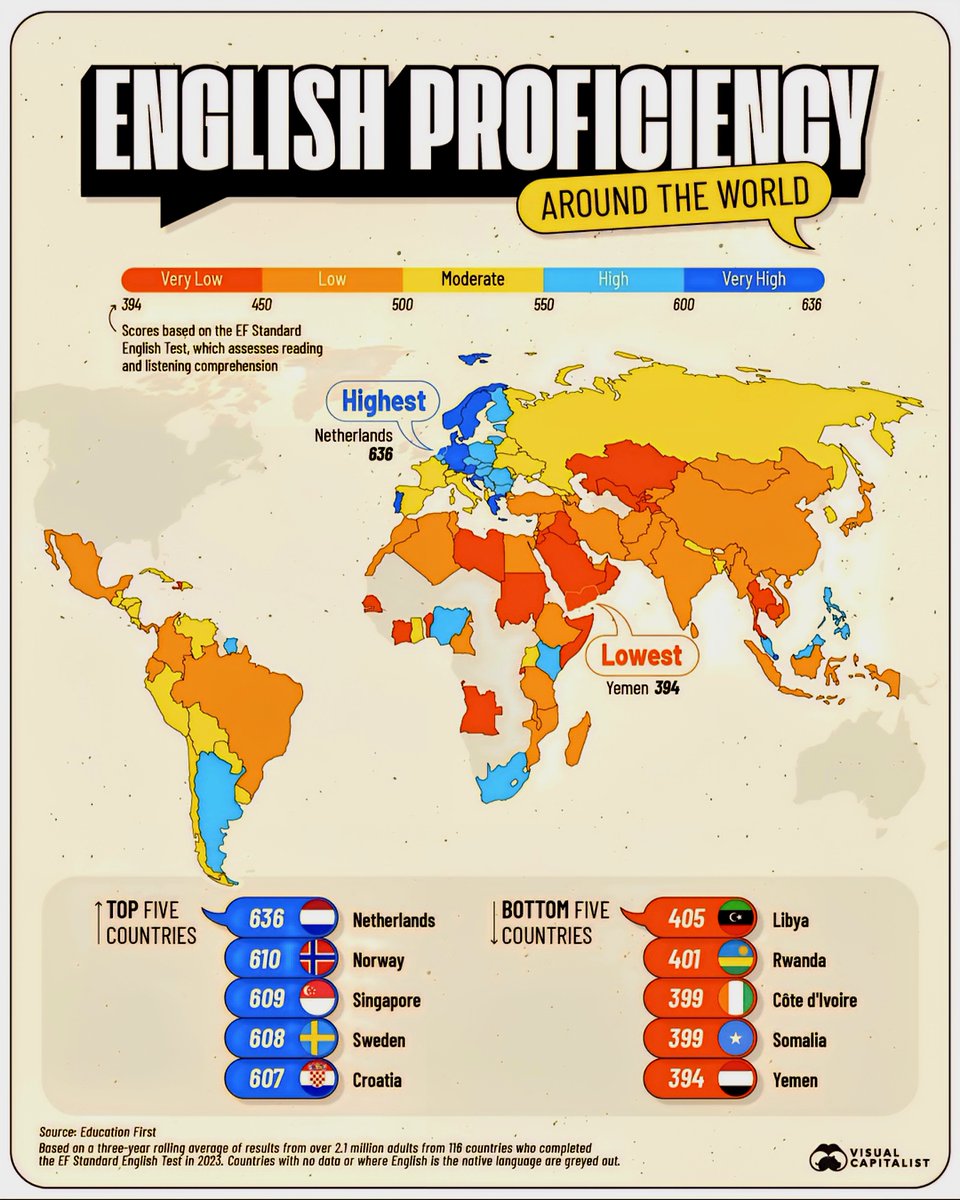
The Philippines maintains its position as the top country in English proficiency this year. Deeply rooted in a colonial history that mandated English as a primary language in education and government, Filipinos have developed an excellent command of both spoken and written English. This has made the country a global hub for outsourcing and customer service industries, with many companies preferring Filipino workers for their fluency and clarity in English. The widespread use of English in media, education, and daily communication contributes to the nation’s top ranking.
2. India Rises in the Global English Landscape
India has further improved its English skills rankings in 2025, reflecting the country’s expanding role in global commerce and technology. With a vast population learning English through formal education and pop culture influences, India now boasts millions of fluent speakers across urban and suburban areas. English is widely used in government, business, and higher education. The country’s emphasis on English language proficiency is evident in the booming IT industry, international business dealings, and a growing number of English-language media outlets.
3. South Africa’s Bilingual Advantage
South Africa remains a notable player in the global English proficiency rankings, thanks to its unique bilingual landscape. English is one of the country’s 11 official languages and serves as the lingua franca in both government and business sectors. This linguistic diversity fosters a robust environment for English learning, especially in urban centers like Johannesburg and Cape Town. The nation’s mix of indigenous and colonial languages produces a distinctive accent and vocabulary, which tends to appeal in international contexts.
4. Singapore Sets a Standard with Formal Education
Singapore continues to impress with its high standards in English education. As a global financial and technological hub, the city-state’s strategic focus on developing bilingual professionals has paid off. Nearly everyone in Singapore speaks English fluently, with many being bilingual in Mandarin or Malay. Its education system emphasizes proficiency from a young age, leading to high scores on international language tests. The city’s focus on maintaining its reputation as an international business center heavily relies on this linguistic strength.
5. Nigeria’s Growing Language Capabilities
Nigeria has shown marked improvement in English skills this year. English is Nigeria’s official language and is used extensively in government, education, and media. The country’s expanding economy and global partnerships have driven investments in language education, especially in urban centers like Lagos and Abuja. As Nigeria continues to play an increasingly important role in African diplomacy and commerce, its English proficiency is seen as a vital asset.
6. Canada Maintains Its Bilingual Edge
Canada remains one of the top-ranked countries for English proficiency, especially in its English-speaking provinces. While French is also official, English dominates in most regions, and Canadians are known for their clear and effective communication skills. Canada’s commitment to multicultural integration and education ensures high levels of fluency, especially in urban centers such as Toronto and Vancouver. The country’s global reputation as a welcoming and versatile nation underscores its linguistic strengths.
7. Australia and the United Kingdom Hold Steady
Both Australia and the UK have maintained high standings in global English proficiency rankings. Australia’s relaxed yet articulate communication style finds favor worldwide, particularly in tourism and international education. The UK, with its long-standing influence on the English language, continues to set international standards in language education and usage. Their shared history and language policies reinforce their standing in global English skills.
8. China’s English Education Gains Momentum
China has made significant strides in improving its English proficiency, driven by national policies emphasizing bilingual education. Major cities like Beijing, Shanghai, and Shenzhen now boast high levels of English fluency, especially among students and young professionals. The government’s push to globalize China’s business environment and attract international investments is fueling continuous advancements in English language education.
9. The United States’ Ongoing Influence
While the U.S. is the birthplace of English, its global ranking fluctuates due to regional disparities. Major metropolitan areas boast high proficiency, but rural regions may lag behind. Nonetheless, the U.S. continues to influence global English standards through media, technology, and higher education. Its diverse population also contributes to a vibrant, evolving use of English that adapts to contemporary international contexts.
10. Scandinavian Countries’ High Fluency Levels
Sweden, Norway, and Denmark remain notable for their residents’ excellent English skills. Thanks to comprehensive education systems and minimal accent barriers, these nations often rank at the top globally. Their citizens’ ability to communicate effectively in English enhances their international competitiveness, especially within the European Union and global markets.
As the world becomes more connected, the importance of English proficiency continues to grow, reflecting cultural, economic, and educational trends globally. Countries like the Philippines and India exemplify how linguistic skills can serve as a gateway to international opportunities, while European nations maintain their reputation for high standards in language education.
Note: The rankings and insights above are based on the latest data collected in 2025, highlighting ongoing trends and shifts in global language proficiency.
 ChatGPT
 Perplexity
 Gemini AI
 Grok AI