Select Language:
Adult Obesity Around the World in 2025: Key Insights
1. Unveiling Global Obesity Rates
In 2025, the world is witnessing an alarming rise in adult obesity, with reports indicating that more than 1.3 billion adults are classified as overweight or obese. Countries across all continents are experiencing increased rates, but some regions are disproportionately affected. North America continues to top the list, with nearly 70% of adults classified as overweight or obese, driven by sedentary lifestyles, processed foods, and cultural dietary habits. Meanwhile, in parts of Asia and Africa, lifestyle shifts are gradually catching up, pushing obesity rates higher than ever before.
2. Impact of Urbanization and Lifestyle Changes
Urban growth and modernization are significant contributors to rising obesity rates globally. As urban centers expand, more adults adopt conveniences that promote physical inactivity—office jobs replaced by desk work, extensive reliance on cars, and limited access to recreational spaces. Additionally, the proliferation of fast-food chains and affordable processed foods has made calorie-dense options accessible to a broader demographic. This has led to a higher prevalence of obesity in urban areas compared to rural regions, where traditional diets and more physically demanding lifestyles persist.
3. Health Consequences and Economic Burden
The health implications of rising obesity are profound, contributing to a surge in chronic conditions such as type 2 diabetes, hypertension, heart disease, and certain cancers. World Health Organization estimates suggest that obesity is now responsible for nearly 4 million deaths annually. The economic impact is equally staggering; healthcare systems worldwide are strained by the costs associated with treating obesity-related illnesses. In the United States alone, obesity-related health expenses reach over $200 billion annually, a cost that reflects both direct medical expenses and lost productivity.
4. Government Initiatives and Policy Measures
Faced with this growing crisis, governments worldwide are ramping up efforts to combat obesity. Many countries are implementing comprehensive public health campaigns emphasizing nutrition education, physical activity promotion, and healthier food environments. For instance, several nations are introducing sugar taxes, restricting junk food advertising—especially to children—and encouraging urban planning that promotes active transportation. Schools are also playing a pivotal role by incorporating nutrition programs and mandatory physical education, aiming to instill healthier habits early on.
5. The Role of Technology and Innovation
Technological advancements are increasingly integrated into obesity prevention and management strategies. Mobile apps and wearable devices now track physical activity, diet, and sleep patterns, helping individuals monitor and modify their behaviors. Artificial intelligence is being deployed to personalize health recommendations based on genetic and lifestyle data. Telemedicine platforms enable remote consultations with nutritionists and fitness coaches, making support accessible regardless of location. These innovations hold promise for empowering individuals to take control of their health and for shaping more effective public health policies.
6. Challenges in Addressing Obesity
Despite significant efforts, tackling adult obesity remains complex. Factors such as socioeconomic disparities, cultural norms, and psychological influences complicate these initiatives. Lower-income populations often lack access to healthy foods and safe spaces for exercise, widening health inequalities. Additionally, weight stigma and misinformation can discourage individuals from seeking help or adopting healthier lifestyles. Addressing these barriers requires a multifaceted approach that combines policy change, community engagement, and education.
7. Future Outlook: Trends and Predictions
Looking towards the next decade, experts project that adult obesity rates will continue to rise unless comprehensive interventions are adopted globally. However, increased awareness, technological tools, and policy initiatives offer hope. Countries investing in preventative strategies, especially targeting children and vulnerable populations, are expected to see gradual improvements. The integration of health equity into public health plans will be critical to ensure that progress benefits all segments of society.
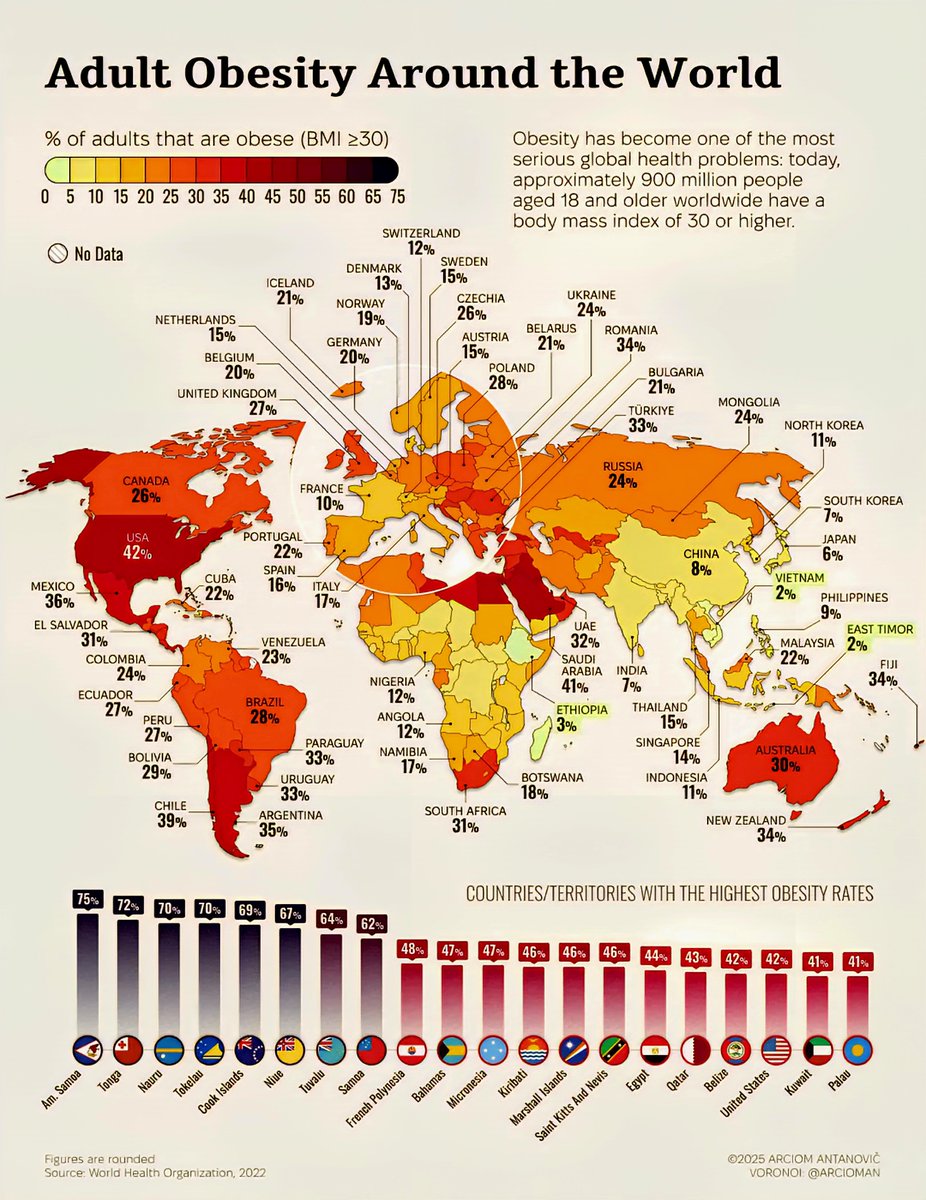
As the landscape of global health evolves in 2025, understanding and addressing adult obesity remain paramount. Sustainable change hinges on collaborative efforts across governments, communities, and individuals to create environments conducive to healthier lifestyles.
 ChatGPT
 Perplexity
 Gemini AI
 Grok AI