Select Language:
Top Developments Shaping the Future of Solar Energy in 2025
1. Global Solar Capacity Surges with New Records
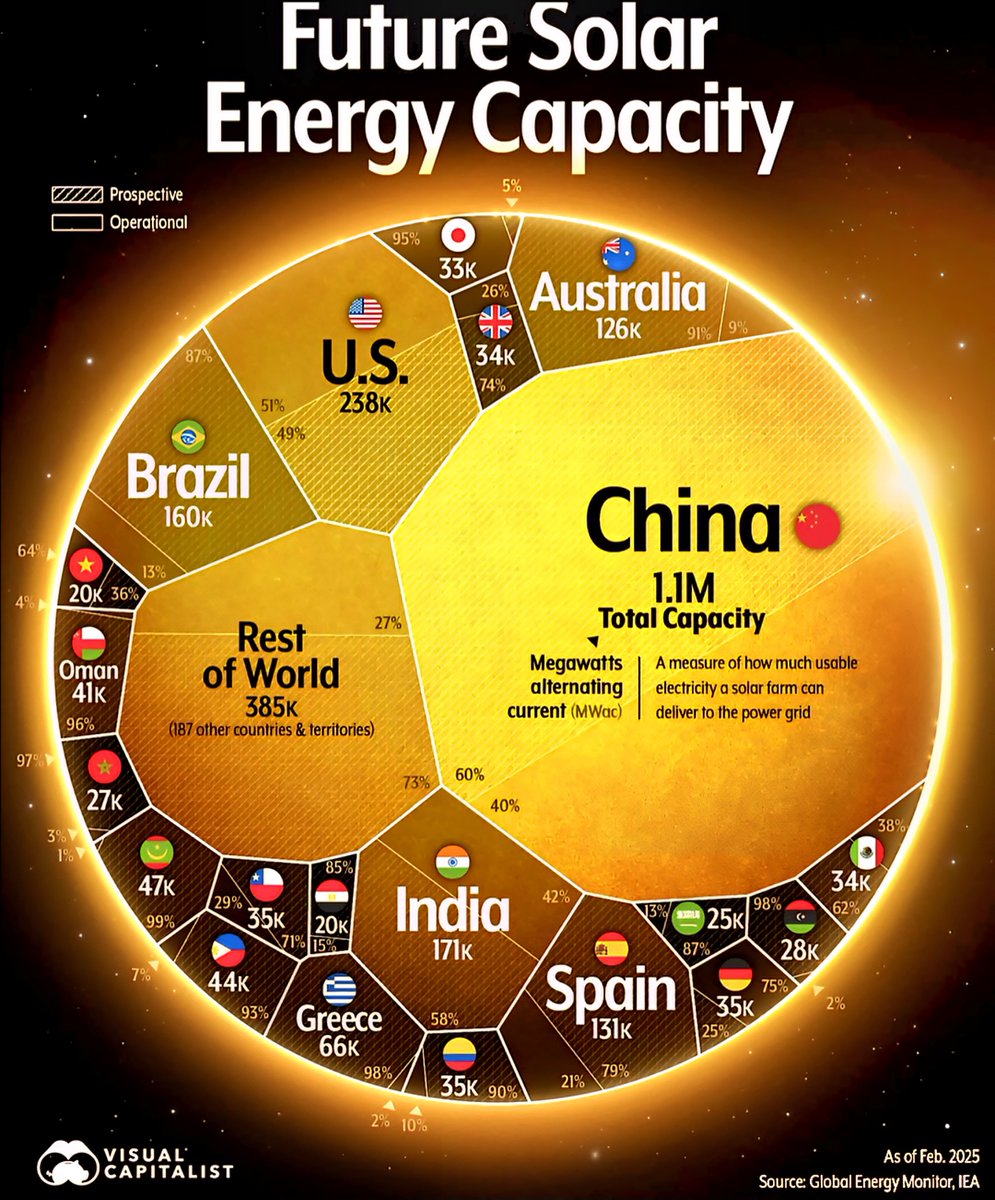
In 2025, the world has seen unprecedented growth in solar energy capacity, breaking previous records and setting a new standard for renewable energy development. Countries across Asia, Europe, and the Americas have invested heavily in solar infrastructure, leading to a combined global capacity exceeding 2,500 gigawatts (GW). Major nations like China, India, and the United States continue to lead the charge, with each adding several hundred gigawatts over the past year. This rapid expansion is driven by falling solar panel costs and aggressive government policies aimed at reducing carbon emissions.
2. Innovations in Solar Panel Technology Boost Efficiency
Advancements in solar panel technology are transforming the efficiency and affordability of solar energy. Researchers at leading institutions have developed new photovoltaic materials, including perovskite-based panels, which now boast efficiencies surpassing 30%. These innovations not only maximize energy capture but also enable panels to operate effectively in low-light conditions, broadening their usability. Additionally, bifacial solar panels, which capture sunlight from both sides, are becoming standard on large-scale solar farms, significantly increasing energy output per square foot.
3. Solar Storage Solutions Reach New Heights
Energy storage remains a critical factor in the expansion of solar power. 2025 has seen remarkable progress in battery technology, with solid-state batteries and large-scale energy storage facilities being deployed worldwide. These systems now provide reliable, 24/7 power, overcoming the intermittent nature of solar energy. Countries like Germany and Australia have invested heavily in renewable storage projects, allowing excess solar energy generated during the day to be stored and used during nighttime or cloudy days, ensuring grid stability.
4. Construction of Mega Solar Parks Continues at a Rapid Pace
The trend of building massive solar parks has persisted into 2025, with projects like the 🌞 Desert Sun Mega Park in Nevada and the Green Horizon Solar in China becoming landmarks in renewable energy. These parks, spanning hundreds of square miles, are capable of generating gigawatts of electricity to power millions of households. The development of modular and scalable solar farm designs has accelerated construction timelines and made large installations more economically feasible, further fueling growth.
5. Solar Power’s Role in Combating Climate Change Gains Ground
As global commitments to cut greenhouse gases tighten, solar power stands at the forefront of climate action. Countries have incorporated solar energy into their national climate plans, aiming for 100% renewable electricity grids by 2040. The International Renewable Energy Agency (IRENA) estimates that solar energy could reduce global carbon emissions by over 3 gigatons annually by 2030 if current trends continue. This optimism is backed by real-world deployment, with solar now contributing a significant share of electricity generation in many nations.
6. Policy Incentives and Financial Models Drive Growth
Government support remains vital to solar industry expansion. In 2025, policies such as tax credits, subsidies, and favorable tariffs have made solar projects more attractive to private investors. Innovative financing models like green bonds and power purchase agreements (PPAs) have democratized access to solar energy, enabling homeowners, businesses, and municipalities to finance solar installations with ease. These financial tools are crucial for accelerating adoption, especially in developing nations striving for energy independence.
7. Role of Solar in the Rise of Decentralized Energy Systems
Decentralized solar energy systems, including rooftop solar and community solar projects, are reshaping the energy landscape. Consumers are increasingly installing rooftop panels or participating in shared solar programs, reducing reliance on centralized grid infrastructure. This shift empowers local communities, lowers energy costs, and enhances resilience during grid outages. By 2025, decentralized solar accounts for nearly 40% of global solar capacity, a testament to its popularity.
8. Environmental Benefits and Community Impact Enhance Solar Adoption
Beyond climate benefits, solar energy significantly improves local air quality by reducing reliance on fossil fuels. In many regions, solar farms have also created jobs in construction, operation, and maintenance, boosting local economies. Educational programs and community outreach efforts have further fostered acceptance and enthusiasm for solar energy, ensuring long-term growth and sustainability.
As solar energy continues its rapid expansion in 2025, it illustrates a clear global shift toward sustainable, cost-effective, and resilient power systems, marking a pivotal year in the world’s renewable energy journey.
 ChatGPT
 Perplexity
 Gemini AI
 Grok AI