Select Language:
The World Population Split in Two Equal Halves: Key Insights for 2025
1. The Global Population Reaches a Milestone
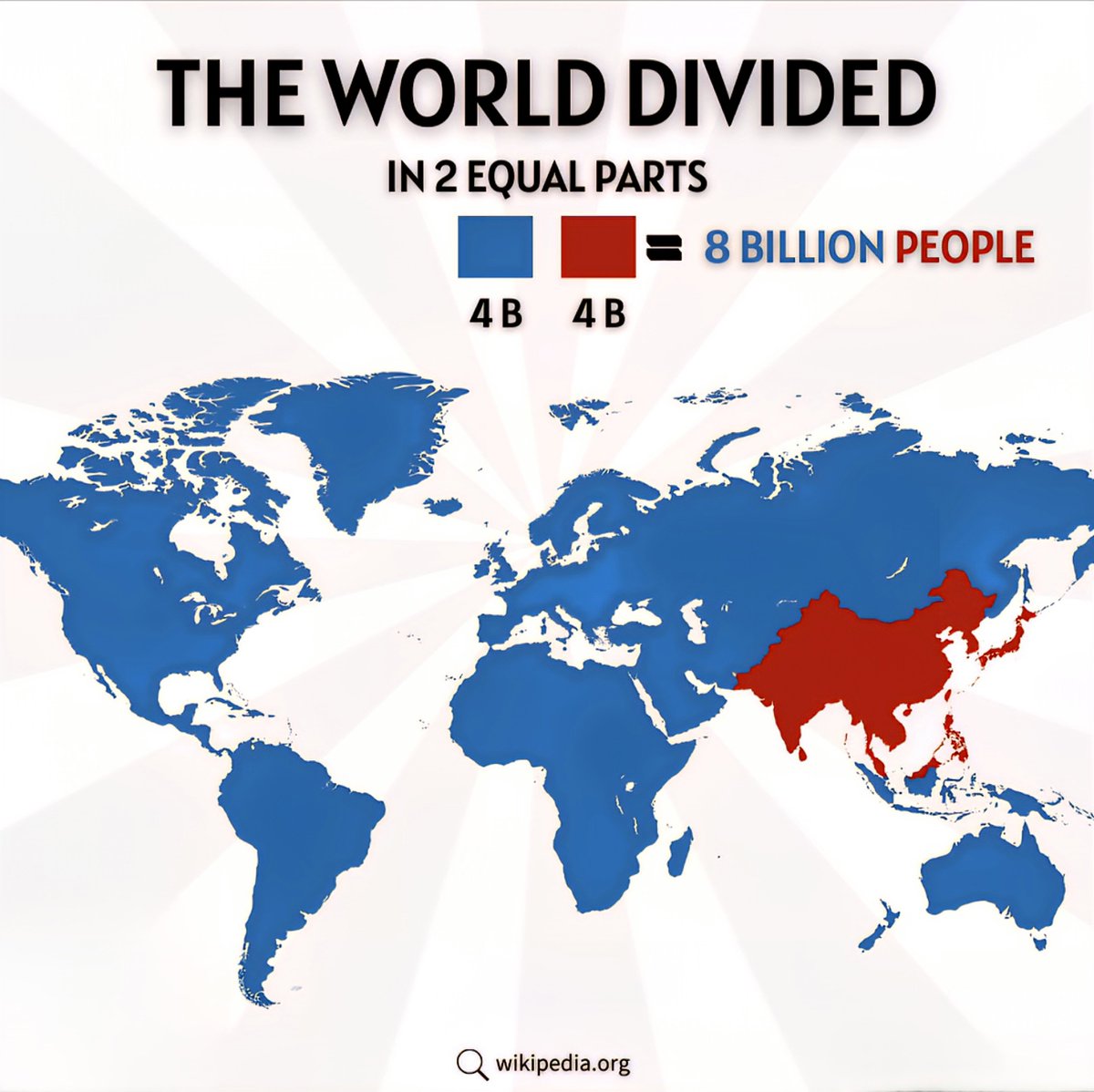
In 2025, the world’s population officially hits approximately 8 billion people, marking a significant milestone in human history. What’s particularly extraordinary is that this figure is almost evenly split between the Northern Hemisphere and the Southern Hemisphere. This visual representation underscores the uneven distribution of people across the globe, with countries like India, China, and the United States contributing the most to these figures.
2. The Northern Hemisphere: Home to the Majority of Humanity
Nearly 60% of the world’s population resides in the Northern Hemisphere. Major populous nations such as China, India, the United States, and Russia dominate this landmass. The concentration of megacities like Tokyo, New York, and Mumbai anchors this demographic shift. Urbanization continues to thrive here, with nearly 80% of the people in the northern part living in metropolitan areas, fueling economic growth and technological innovation.
3. The Southern Hemisphere: Rapid Growth and Urban Expansion
While the Southern Hemisphere hosts about 40% of humanity, its demographic trends are evolving rapidly. Countries like Nigeria, Indonesia, and Ethiopia are experiencing significant population increases, contributing to the region now housing over 3 billion people. Cities such as Lagos, Jakarta, and Nairobi are emerging as new global urban centers. This shift heralds increased economic opportunities but also presents challenges related to infrastructure, healthcare, and resource management.
4. Demography and Aging Populations
The aging population trend is more pronounced in the Northern Hemisphere, especially in Europe, Japan, and North America. By 2025, over 20% of the population in these regions is aged 65 and older, prompting governments to rethink healthcare systems, pensions, and workforce strategies. Conversely, the Southern Hemisphere continues to have a youthful demographic, offering potential economic benefits but also emphasizing needs for education, employment opportunities, and sustainable development.
5. Environmental and Resource Implications
The split of the world’s population impacts global resource demands and environmental sustainability. The densely populated north demands substantial energy and water resources, accelerating pollution and climate change concerns. Meanwhile, the rapidly growing south faces its own pressures from expanding cities and agriculture, with an urgent need to implement eco-friendly practices. Addressing these disparate needs requires international cooperation and innovative solutions.
6. Population Growth and Migration
Migration patterns significantly influence the demographic landscape. Many countries in the south are experiencing rural-to-urban migration, with people moving toward burgeoning urban centers. Meanwhile, northerly countries are witnessing fluctuating immigration levels driven by economic opportunities and geopolitical considerations. These migratory trends are reshaping cities and their policies, with some nations adopting more inclusive approaches to refugee and migrant integration.
7. Future Projections and Challenges
Looking ahead beyond 2025, experts predict that the population will continue to grow, especially in African nations, potentially reaching 9.7 billion by 2050. The continuous demographic divide poses challenges related to resource management, health care, education, and infrastructure. Nations will need to collaborate more intensively to foster sustainable development across both hemispheres, balancing growth with environmental preservation.
8. Conclusion: A Global Balance of Populations
The current population split offers a visual and practical reminder of how the world’s demographic landscape is changing. While the populations are nearly equal in number, the characteristics, needs, and challenges of each hemisphere are vastly different. Recognizing this balance can aid in crafting policies that promote sustainable development, equitable resource distribution, and international cooperation for a healthier future.
Note: The image referenced is included above to emphasize the demographic split visually and add context to the article’s insights.
 ChatGPT
 Perplexity
 Gemini AI
 Grok AI