Select Language:
The US Economy in 2025: A Deep Dive into Its Divided State
1. The Growing Wealth Gap and Its Impact
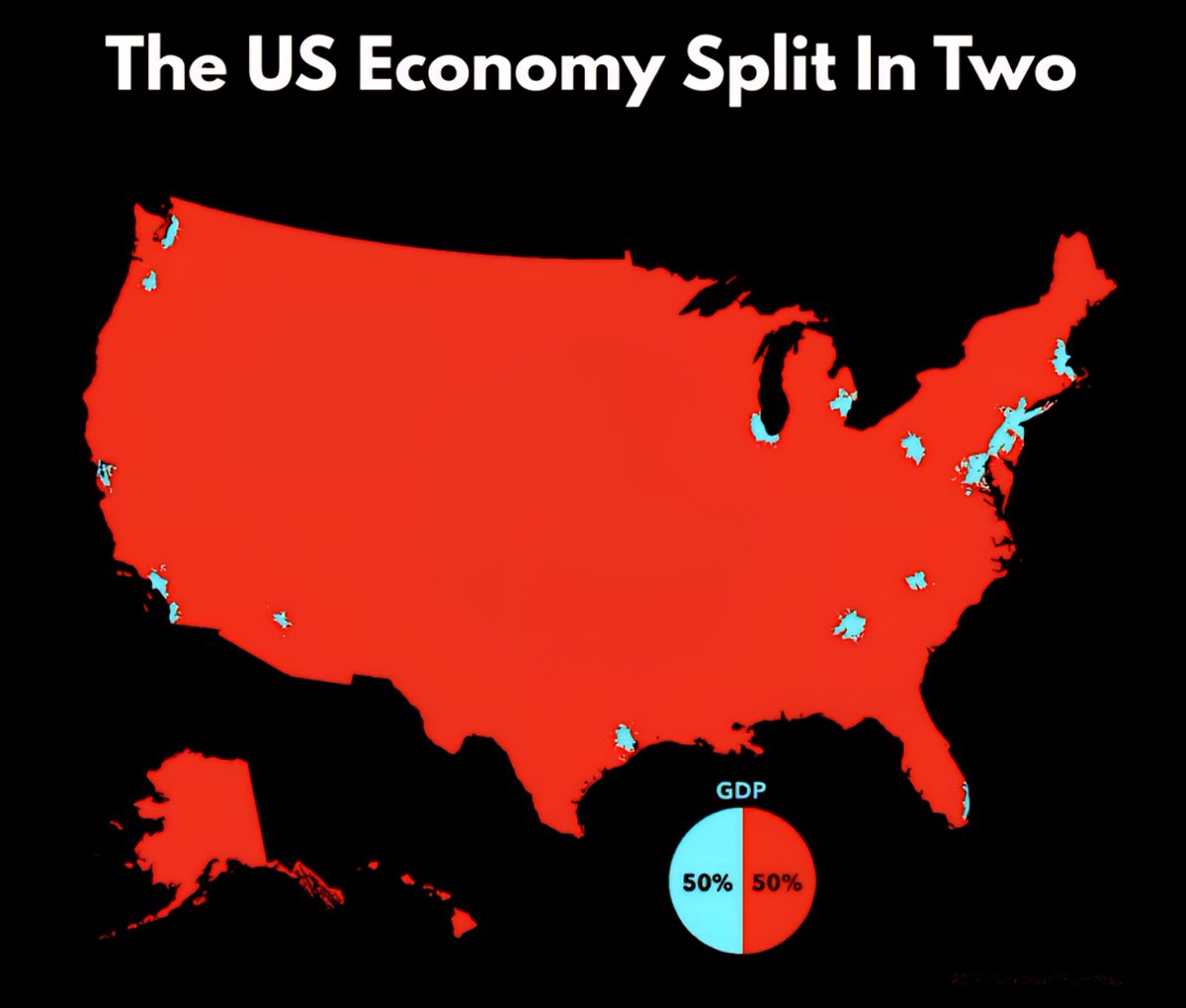
One of the most striking features of the U.S. economy this year is the widening gap between the wealthy and the average worker. Data from the Federal Reserve indicates that the top 10% of earners now control almost 70% of the nation’s wealth, leaving the remaining 30% to share the rest. High-income households have benefited from soaring investments and tech entrepreneurship, while median wages for most Americans have stagnated, struggling to keep pace with inflation. This economic disparity has fueled social tensions and calls for policy reforms aimed at wealth redistribution.
2. Diverging Industries and Regional Economies
The economic landscape is sharply divided across different sectors. Tech hubs like Silicon Valley, Austin, and Seattle have flourished, experiencing rapid growth, affordability challenges, and high employment rates. Conversely, traditional manufacturing regions, especially in parts of the Midwest and the South, continue to see decline. Many factory towns face unemployment rates above 12%, which hamper local economies and contribute to population declines. This regional split underscores the uneven recovery post-pandemic and the need for targeted economic policies.
3. The Labor Market: Booming for Some, Bailing Out Others
The labor market showcases a stark contrast—tech and healthcare sectors are experiencing record job growth, offering lucrative salaries and benefits. Meanwhile, service industries such as retail and hospitality are struggling with a labor shortage and low wages. Despite the overall low unemployment rate of 4.2%, underemployment remains high among lower-skilled workers, exposing vulnerabilities in the job market. This disparity sparks debates around minimum wage policies and worker protections.
4. Inflation and Cost of Living: A Tale of Two Cities
While some regions experience moderate inflation, others grapple with hyperinflation-like conditions. Housing costs have soared in major metropolitan areas, with home prices increasing an average of 12% from last year. Renters and first-time homebuyers find themselves priced out of the market, fueling homelessness and housing insecurity. On the flip side, rural areas and smaller states are experiencing relatively stable prices, highlighting a divide in living costs that influences migration patterns and quality of life.
5. Federal Policy and Its Divisive Effects
The federal government’s approach to economic recovery has become increasingly polarized. Democratic-led administrations emphasize social safety nets and progressive taxation, while Republican factions advocate for deregulation and tax cuts for corporations. This divide impacts policies on climate change, healthcare funding, and infrastructure projects. The result is a fragmented economic framework where different regions and industries respond differently, intensifying the economic split.
6. Technological Advancement and Digital Divide
Technology continues to be a double-edged sword. While Silicon Valley and digital economies thrive, rural and underserved communities lag behind, suffering from limited access to high-speed internet and modern infrastructure. This digital divide hampers small businesses, education, and public services in less developed areas, further entrenching regional disparities and limiting overall economic growth.
7. The Future Outlook: Bridging the Economic Divide
Experts warn that without strategic intervention, the economic split in America may deepen further. Policy proposals include investments in education, infrastructure, and social programs to promote more equitable growth. There’s also a push for innovation-driven regional development to uplift struggling communities. The federal government faces the challenge of balancing growth with inclusivity, ensuring that prosperity is shared more broadly across the nation.
By examining these seven key points, it becomes clear that the United States in 2025 remains a nation of stark contrasts—where prosperity is concentrated in pockets, and many Americans are still working to catch up. The ongoing debate around economic policies and regional development will shape the country’s trajectory in the years to come.
 ChatGPT
 Perplexity
 Gemini AI
 Grok AI