Select Language:
Unpacking the 2019 North Korean Election Results: What Did They Reveal?
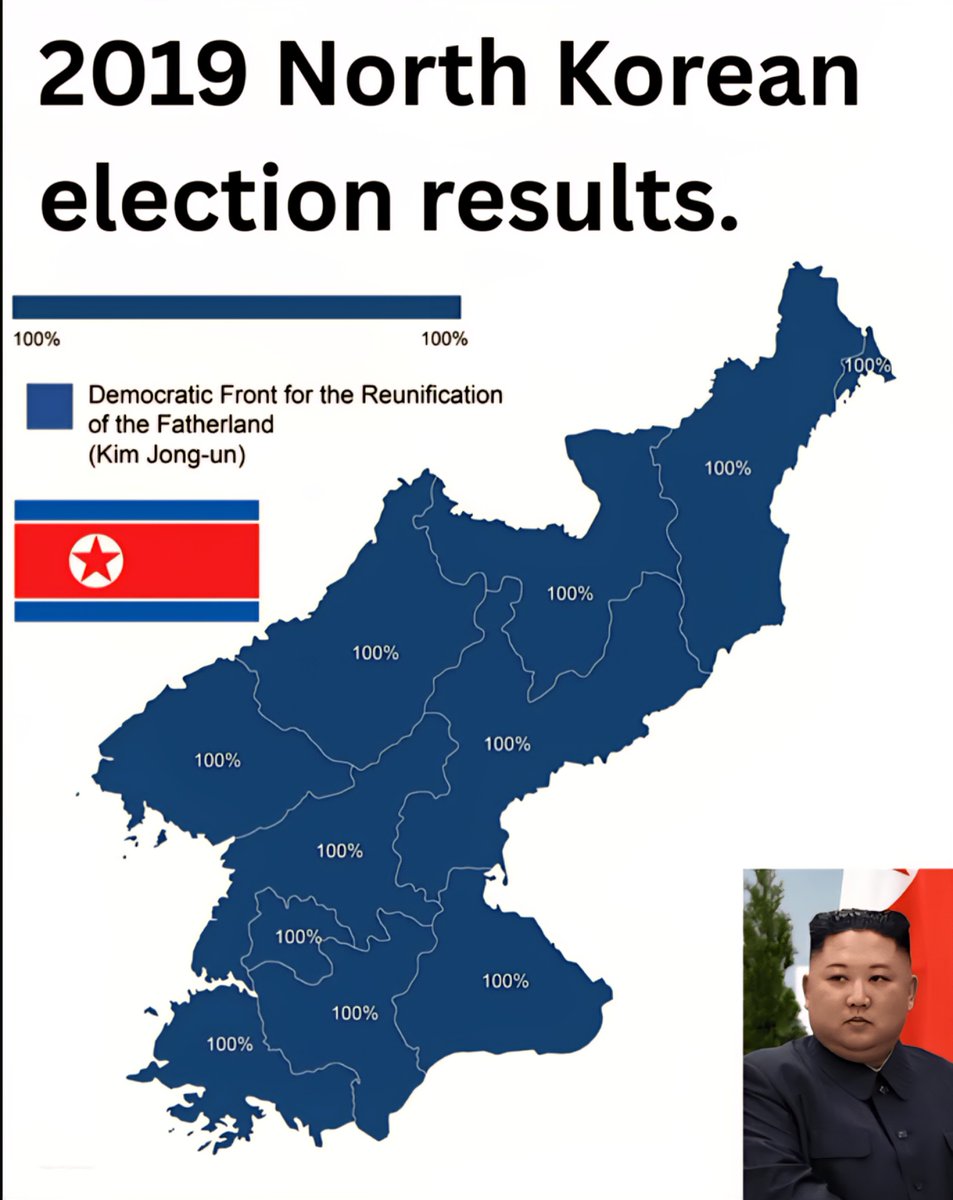
In 2025, analysts are still dissecting the happenings of North Korea’s 2019 election, which, unlike many democratic nations, operates under a highly controlled political environment. The results continue to stir intrigue worldwide, prompting questions about the nature of political legitimacy in the DPRK. Here’s a detailed look at the key takeaways from the 2019 North Korean election results and what they tell us about the regime’s political landscape today.
1. Near-Universal Voting Turnout Ignites Skepticism
One of the most striking aspects of North Korea’s 2019 election was the reported voter turnout of approximately 99.99%. Such a figure suggests that nearly every eligible citizen participated, which raises eyebrows given the country’s strict control over elections. International observers widely agree that voting in North Korea is less about choice and more a display of loyalty, often orchestrated by the government to showcase unwavering support for Kim Jong-un’s leadership.
2. Almost 100% Support for Approved Candidates
The election featured candidates who were pre-selected and approved by the ruling party. Official reports claim that these candidates received 100% of the votes, effectively consolidating the image of unanimous backing. While these results are unlikely to reflect genuine democratic support, they serve as a tool for reinforcing the regime’s narrative of unity and stability in the face of external pressures.
3. The Role of Ballot Control and Voting Procedure
Voting in North Korea involves a single candidate per constituency, and voters are permitted to either approve or disapprove. However, reports suggest that disapproval votes are either practically non-existent or not genuinely recorded due to the pervasive surveillance and fear tactics employed by authorities. This system underscores the regime’s control over democratic processes, turning the election into a ritual of allegiance rather than choice.
4. Propaganda and Media Control Surrounding the Election
The 2019 elections were heavily propagated through North Korean state media as a grand demonstration of democratic processes, despite lacking genuine competitive elements. State-run outlets emphasized high turnout and support for the leadership, further bolstering the narrative of unwavering loyalty and political stability under Kim Jong-un’s rule.
5. International Response and Sanctions
Following the elections, many countries and international bodies dismissed the results as a sham, emphasizing that North Korea’s political system bears little resemblance to democratic standards. The global community continues to impose sanctions, citing concerns about nuclear proliferation, human rights abuses, and the lack of political transparency, all of which are exemplified by the election processes.
6. The Elections as a Political Tool
For the North Korean leadership, the elections are not about choosing leaders but rather about displaying strength and unity to both domestic and international audiences. The consistent high turnout and support figures act as propaganda, bolstering Kim Jong-un’s image both at home and overseas.
7. The Impact on North Korea’s Political Stability
While elections in modern democracies often serve to reflect shifting political tides, in North Korea, they reinforce a centralized power structure. Despite economic challenges and diplomatic tensions, the 2019 election results reaffirm the regime’s grip on power, signaling little internal dissent.
The 2019 North Korean election results continue to provide insights into a political system far removed from democratic norms. They reveal a potent mix of propaganda, control, and symbolism designed to maintain the regime’s authority and project stability. As international relations evolve, these elections serve as a stark reminder of the distinct political landscape in North Korea, one where legitimacy is manufactured rather than earned through competitive elections.
Note: The above analysis reflects current assessments as of 2025, emphasizing the ongoing importance of understanding North Korea’s political mechanisms in a complex global context.
 ChatGPT
 Perplexity
 Gemini AI
 Grok AI