Select Language:
Israel Maintains the Only Nuclear Arsenal in the Middle East in 2025
Israel’s Nuclear Stockpile Continues to Dominate the Region
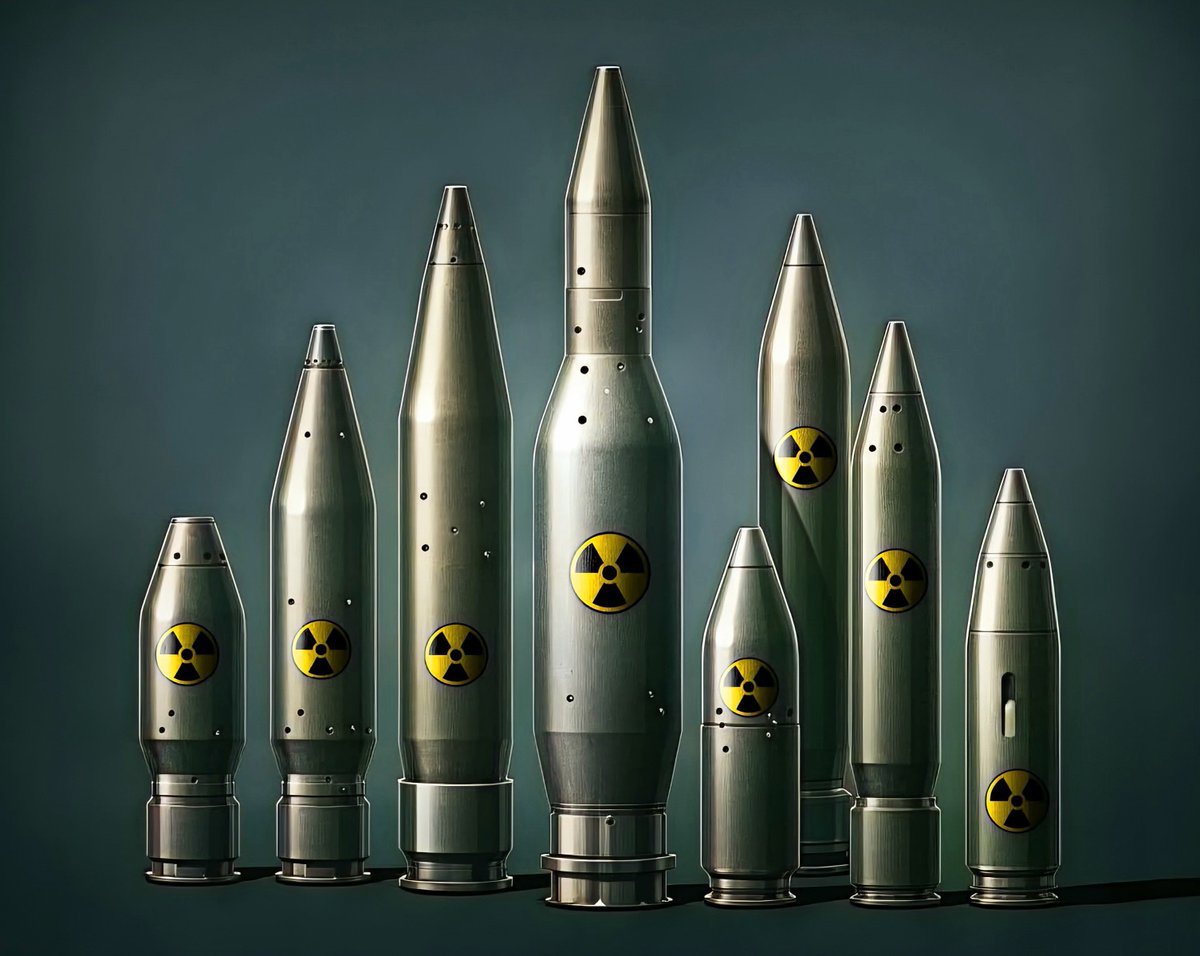
In a striking contrast to its neighboring nations, Israel remains the only country in the Middle East believed to possess nuclear weapons. The Israeli government has maintained a policy of strategic ambiguity, but intelligence assessments in 2025 suggest the Jewish state holds approximately 90 nuclear warheads. The country’s nuclear program, which has been under international scrutiny for decades, continues to be a significant factor influencing regional stability.
A Region Largely Free of Nuclear Weapons
The rest of the Middle East appears to be devoid of nuclear weapons. Countries including Bahrain, Cyprus, Egypt, Iran, Iraq, Jordan, Kuwait, Lebanon, Oman, Palestine, Qatar, Saudi Arabia, Syria, Sudan, Turkey, the United Arab Emirates, and Yemen have no known nuclear arsenals in 2025. This widespread absence underscores a regional trend toward nuclear restraint, although underlying tensions persist.
Iran’s Nuclear Ambitions Continue to Draw Attention
Iran remains a focal point in regional security discussions. While Tehran officially states its nuclear program is for peaceful purposes, international agencies monitor its activities closely. As of 2025, Iran has not developed nuclear weapons, but its potential to do so remains a concern among neighboring countries and global powers. Diplomatic efforts continue to ensure Iran adheres to nuclear non-proliferation agreements.
The Potential for Future Developments
Despite the current status, regional dynamics are constantly shifting. Some Gulf Cooperation Council (GCC) countries have historically expressed interest in developing nuclear capabilities for energy purposes, but no formal programs for nuclear weapons development have been publicly announced. The continued absence of nuclear arsenals among these nations may change if regional tensions escalate or if international agreements weaken.
International Diplomacy and Non-Proliferation
Global efforts to prevent the proliferation of nuclear weapons continue to shape the Middle East landscape. International treaties like the Non-Proliferation Treaty (NPT) and diplomatic initiatives aim to maintain peace and stability. The presence of Israel’s nuclear arsenal remains a sensitive issue, with multiple calls for transparency and arms reduction, but the country has yet to sign the NPT, citing security concerns.
The Impact on Regional Security
The dominance of Israel’s nuclear capability serves as both a deterrent and a point of contention. Neighboring countries, especially Iran, view Israel’s stockpile as a threat, which can contribute to arms racing and regional instability. At the same time, the absence of nuclear arms among other Middle Eastern states reduces the immediate risk of nuclear conflict, though conventional weapon proliferation remains a concern.
Ongoing Monitoring and Future Outlook
International agencies and regional analysts continue to monitor nuclear activities meticulously. The geopolitical landscape of the Middle East is complex, with political tensions, conflicts, and alliances constantly evolving. While 2025 marks a period of apparent nuclear quiet among most Middle Eastern nations, the potential for change remains high.
In conclusion, Israel’s nuclear stockpile in 2025 remains the regional peak in nuclear capabilities. The situation underscores the need for steadfast diplomacy and international cooperation to maintain stability and prevent nuclear proliferation in the volatile Middle East region.
 ChatGPT
 Perplexity
 Gemini AI
 Grok AI