Select Language:
Understanding the Median Age Across Different Regions in 2025
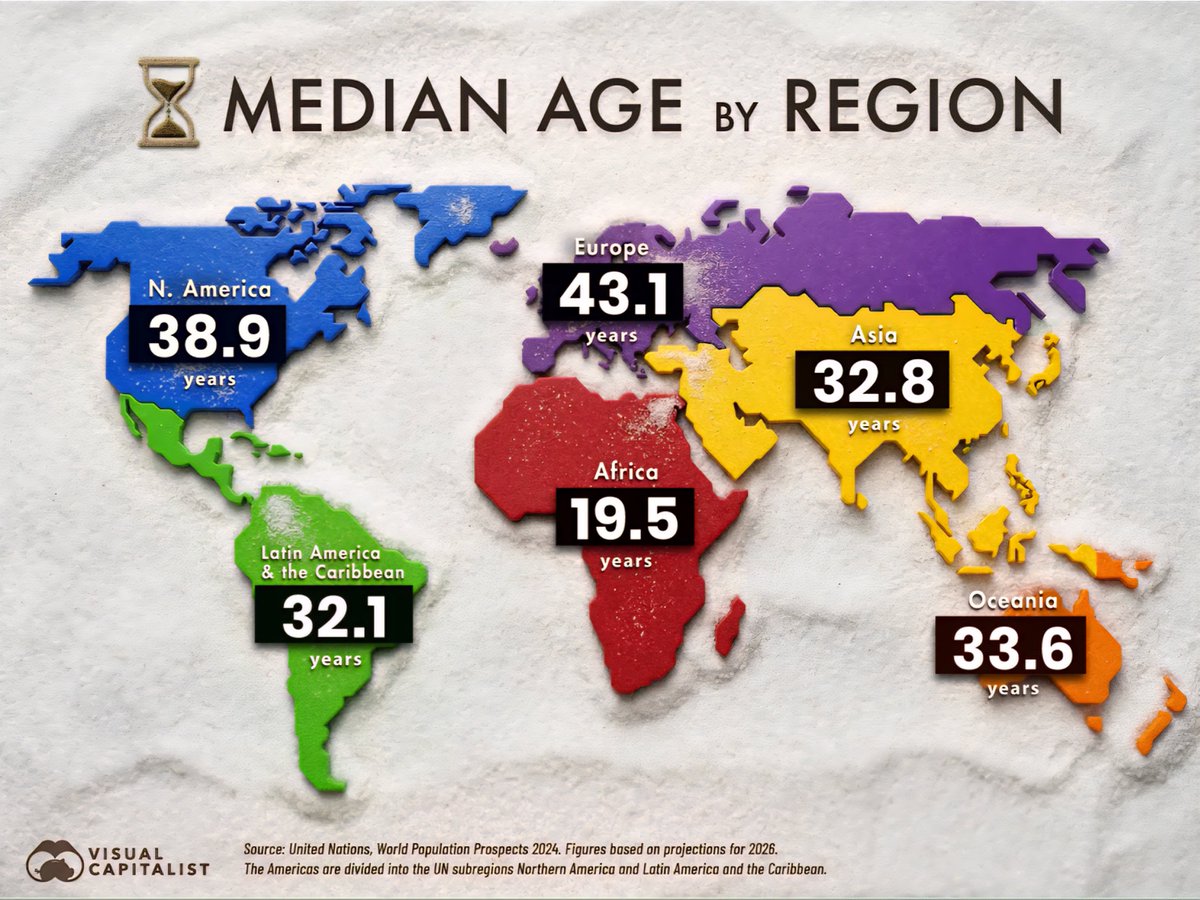
Europe’s Aging Population: A Median Age of 43.1 Years
Europe continues to face a significant demographic shift with a median age of 43.1 years in 2025, making it one of the oldest regions globally. Many countries, especially Western and Northern Europe, see a large proportion of their population aged 50 and above. Countries like Germany, Italy, and Japan exemplify this trend, where low birth rates and increased life expectancy contribute to an aging demographic. This shift presents major challenges for pension systems, healthcare infrastructure, and workforce productivity. Policymakers are exploring strategies such as encouraging higher birth rates and flexible retirement policies to counteract the aging trend.
North America’s Demographic Profile: Median Age of 38.9 Years
North America, including the U.S. and Canada, shows a median age nearing 39 years. The region is experiencing a relatively balanced age structure, though the aging baby boomer generation continues to influence demographic trends. The United States, with its diverse immigrant population, maintains a slightly younger median age compared to its neighboring countries. This youthful influx partly offsets aging concerns but signals ongoing shifts in labor markets and social services. Infrastructure must adapt to an aging workforce while also accommodating youth through education and job creation.
Oceania’s Youthful Vibe: Median Age of 33.6 Years
Regions such as Australia and New Zealand in Oceania are marked by a median age of just under 34 years. This comparatively young population stems from higher fertility rates and ongoing international migration. Countries here benefit from a robust, youthful workforce ahead of aging pressures seen elsewhere. However, policymakers remain attentive to future challenges including planning for healthcare, housing, and employment opportunities aligned with this demographic structure.
Latin America & Caribbean: Median Age at 32.1 Years
Latin America and the Caribbean boast one of the youngest populations among global regions, with a median age of just over 32 years. The high fertility rates and recent declines in child mortality have contributed to a broad demographic base. Countries such as Brazil, Mexico, and several Caribbean nations are experiencing rapid urbanization and a growing middle class, which influence economic development. The youthful population offers opportunities for economic expansion but requires investments in education, health, and job creation to sustain growth.
Asia’s Middle Ground: Median Age Nearing 33 Years
Asia’s median age is approximately 32.8 years, reflecting a diverse demographic landscape. Countries like China and India are experiencing different phases of aging; India remains relatively young, while China is facing its own aging transition due to decades of the one-child policy. Southeast Asian nations such as Indonesia and the Philippines maintain a youthful population, supporting burgeoning economies. However, aging populations are predicted to become more prominent in East Asian countries, prompting reforms in social security and healthcare.
Africa’s Rapid Growth and Youthfulness: Median Age of 19.5 Years
Africa stands out as the youngest continent with a median age of just 19.5 years. The continent’s high birth rates and decreasing mortality rates have created a demographic boom. Nigeria, Ethiopia, and Kenya exemplify this youthful trend, which provides a dynamic, expanding labor force that could accelerate economic development. Nonetheless, this rapid population growth poses significant challenges in terms of education, employment, and infrastructure development. Governments must plan effectively to harness this demographic dividend while preventing issues like unemployment and resource strain.
Key Takeaways:
- The median age serves as a crucial indicator of population age structure, directly affecting economic, social, and healthcare planning.
- Europe faces the most significant aging challenge, requiring innovative policy responses.
- Africa’s youthful population offers vast potential but demands substantial investment in education and infrastructure.
- Asia’s demographic diversity calls for region-specific strategies to manage aging and youth bulges.
- Oceania and Latin America are balancing youthfulness with upcoming aging considerations, emphasizing adaptable social policies.
Source: United Nations, World Population Prospects 2024 based on projections for 2026.
Figures and statistics are sourced from the United Nations’ latest demographic studies and are subject to change as new data emerge.
 ChatGPT
 Perplexity
 Gemini AI
 Grok AI