Select Language:
The Global Divergence: Left vs Right-Handed Driving in 2025
Driving habits around the world continue to reflect deep-rooted cultural, historical, and legal influences. As countries evolve and adapt to modern transportation needs, the longstanding division between left and right-handed driving remains a fascinating aspect of global travel. Here’s a detailed look into how different nations handle this automotive tradition, with insights into the impact on drivers and travelers alike.
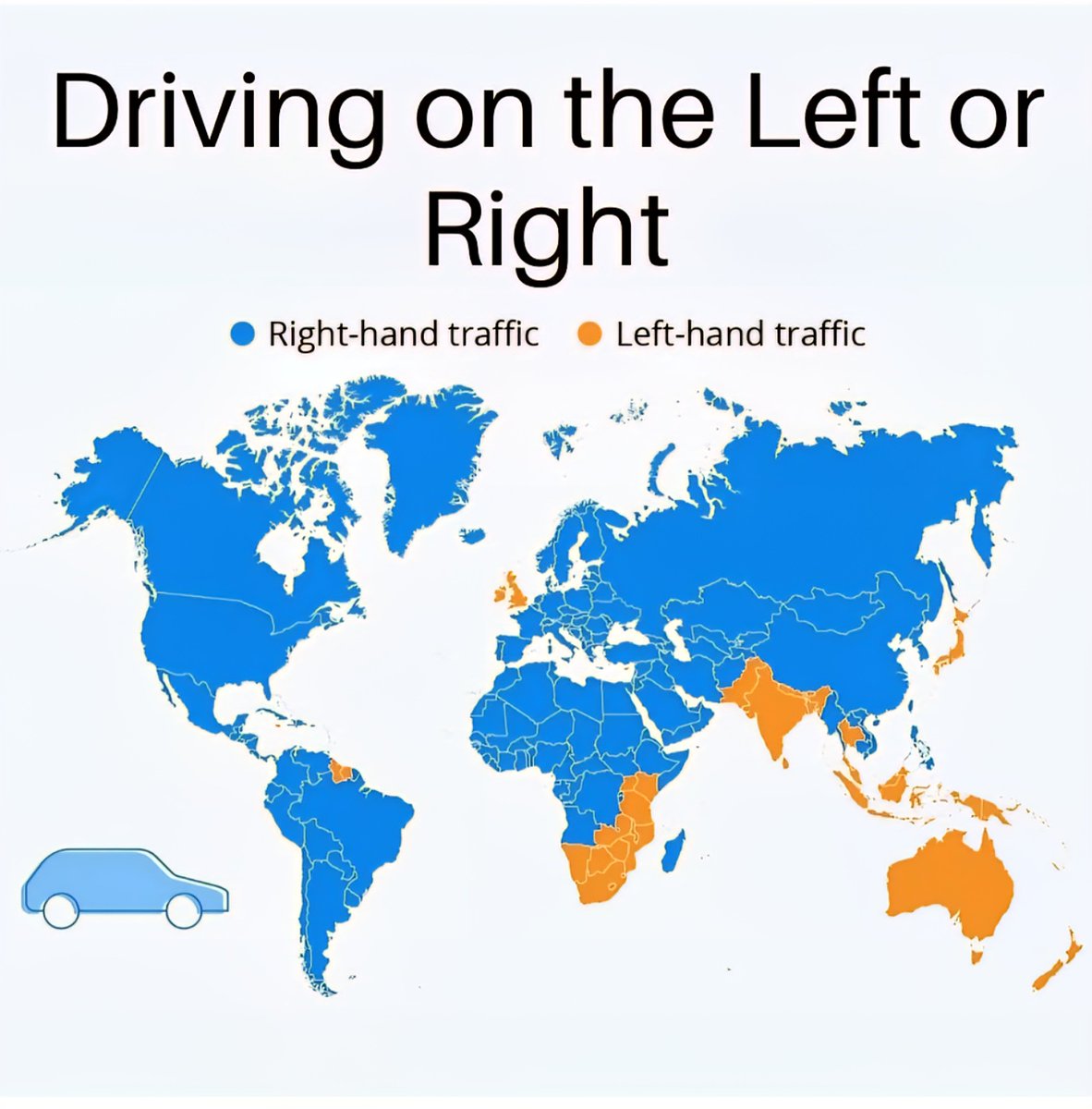
1. Countries That Stick With the Classic Left Lane
Many nations still prefer keeping the steering wheel on the right side of the car, thus requiring them to drive on the left side of the road. This tradition dates back centuries but was solidified during colonial eras, particularly in the British Empire.
- United Kingdom: As the birthplace of the left-hand driving system, the UK maintains a strict adherence to left-side driving, with its extensive network of roads and roundabouts designed around this principle.
- Australia and New Zealand: These island nations continue to prioritize driving on the left, reflecting their colonial heritage and ensuring consistency for international travelers.
- India and South Africa: Both countries uphold left-side driving, integrating it into their rapidly modernizing transportation infrastructure.
This system often presents challenges for travelers arriving from countries that drive on the right, necessitating careful attention at intersections and roundabouts.
2. Countries That Embrace Right-Hand Driving
Most of the world favors right-hand driving, reflecting the influence of Continental European countries and, more recently, North America.
- United States: The U.S. proudly upholds right-side driving, with a comprehensive network of expressways designed for high-speed travel on the right.
- European Union: The majority of European nations, including France, Germany, and Italy, drive on the right, simplifying cross-border travel within the continent.
- China and Russia: These rapidly growing economies have adopted right-hand driving, aligning with their neighboring countries and international standards.
For travelers from left-driving countries, adapting to right-side driving can be a challenge, especially in unfamiliar urban settings.
3. Countries with Dual-System Histories
Some nations have experienced shifts in their driving standards or maintain dual systems suited to regional needs:
- Japan: Historically a right-side driver, Japan switched to the left in the late 19th century influenced by British standards, although rapid modernization has led to some unique road setups.
- Indonesia: Despite a diverse colonial past, Indonesia drives on the left, aligning with nearby Singapore and Malaysia, creating easier cross-border travel.
- South Korea: Korea drives on the right, adopting this system during modern infrastructure development in the 20th century.
Such dual histories highlight how geopolitical changes impact driving norms and vehicle imports.
4. The Impact of Driving Orientation on Road Safety
Different driving orientations significantly influence road safety and vehicle design.
- Vehicle Manufacturing: Countries with left-driving systems primarily import right-hand drive cars and vice versa. This impacts car designs, insurance policies, and repair standards.
- Driving Assistance and Navigation: GPS systems and road signage are tailored to the driving side, which is crucial for international travelers who often underestimate these differences.
- Traffic Accidents: Studies suggest that drivers from countries with different driving systems may have higher accident rates when traveling abroad due to unfamiliar road layouts.
Efforts in recent years focus on reducing accidents through better signage, driver education, and technology integration.
5. Future Trends and Emerging Changes
With advancements in autonomous vehicles and global trade, some countries are reconsidering their driving orientations.
- Sweden and Norway: These nations are piloting projects aimed at switching from left to right to facilitate better vehicle manufacturing logistics and cross-border travel.
- Global Standardization: International standards organizations are exploring unified rules, but cultural preferences remain a barrier to complete unification.
Interestingly, some reports forecast an eventual move towards a single global driving standard, though this remains decades away.
6. Practical Tips for Travelers
Navigating the world’s driving customs can be daunting, but some straightforward tips can ease the journey:
- Research Before Traveling: Always check the local driving orientation and road rules before visiting a new country.
- Familiarize Your Vehicle: If renting, confirm the side of the steering wheel and understand the typical road signs.
- Practice Defensive Driving: Pay extra attention at intersections, roundabouts, and at night, especially in countries with unfamiliar traffic flow.
- Use Technology: GPS navigation tailored for local standards can significantly reduce confusion.
7. The Cultural Significance Behind the Divide
Driving orientation isn’t just about convenience—it also reflects identity and history. Countries like the UK cling to traditional standards, while others adapt for economic or infrastructural reasons.
Understanding these differences fosters better international cooperation and travel experiences. Despite globalization, these persistent variations remind us of the diverse tapestry of our world.
Final thoughts: As 2025 continues to reshape transportation worldwide, the divide between left and right driving remains a fascinating and practical aspect of global mobility. Whether sticking to tradition or switching for modernization, the choice of driving side will forever influence road safety, vehicle design, and international travel dynamics.
 ChatGPT
 Perplexity
 Gemini AI
 Grok AI