Select Language:
Top Religion in Each European Country in 2025: An Updated Breakdown
1. Albania and Austria — Predominantly Islam
Both Albania and Austria are experiencing a significant rise in Islam’s influence, making it the most rapidly growing religion in these nations. The Muslim community’s growth is attributed to immigration, higher birth rates among Muslim populations, and increasing conversions. This trend reflects shifting demographics and cultural exchanges across borders.
2. Belgium, Bosnia, Bulgaria, Croatia, Cyprus, Denmark, France, Germany, Greece, Netherlands, North Macedonia, Norway, Portugal, Russia, Serbia, Spain, Sweden, Switzerland, and the United Kingdom — Leading with Islam
Throughout much of Europe, Islam has cemented its place as the fastest-growing religion. Countries like Belgium, Bosnia, Bulgaria, Croatia, Cyprus, Denmark, France, Germany, Greece, the Netherlands, North Macedonia, Norway, Portugal, Russia, Serbia, Spain, Sweden, and Switzerland are witnessing a marked increase in Muslim adherence.
This surge is driven by factors such as international migration, higher fertility rates among Muslim communities, and conversions. Notably, many of these nations have long-standing Muslim communities that are expanding, adding to the continent’s diverse religious landscape. Governments across Europe are observing this demographic shift, which influences policy, culture, and social integration strategies.
3. Hungary, Latvia, Lithuania, Poland, Romania, and Slovakia — Predominantly Christian
For several Eastern European countries, Christianity remains the dominant and fastest-growing religion. Notably, countries like Hungary, Latvia, Lithuania, Poland, Romania, and Slovakia show an upward trend in Christian affiliations, particularly within Catholic and Orthodox communities.
Factors contributing to this growth include religious revival movements, increased church attendance, and nationalist movements emphasizing Christian heritage. These nations often see Christianity as a core part of their historical identity, which continues to shape societal values and traditions.
4. Finland, Estonia, and Iceland — Unaffiliated and Paganism
Finland, Estonia, and Iceland stand out for their unique religious landscapes. In Estonia and Finland, a significant number of individuals are unaffiliated, reflecting a broader trend of secularization and secular identity among Europeans. Meanwhile, Iceland maintains its pagan traditions, with modern paganism experiencing a renaissance among younger populations seeking cultural roots.
5. Kosovo and Montenegro — Islam’s Presence Flourishes
Kosovo and Montenegro exemplify regions where Islam continues to grow rapidly. The cultural history and demographics of these nations have kept Islam as a central part of their religious fabric. High birth rates and ongoing migration patterns further fuel this growth, indicating a sustained shift toward Muslim dominance.
6. Spain, Sweden, and Switzerland — Rising Muslim Populations
Spain, Sweden, and Switzerland are also seeing substantial increases in Muslim populations. These countries attract many new residents and immigrants from Muslim-majority nations, contributing to the rapid growth of Islam. Additionally, conversions and increased participation in Muslim communities add to this demographic trend.
7. The Implications of Religious Shifts in Europe
The increasing popularity of Islam highlights Europe’s changing religious landscape. Migration, birth rates, and conversions are reshaping traditional religious compositions in many countries. These transformations challenge policymakers to adapt to a more diverse and multicultural environment.
Amid these shifts, some countries like Iceland and Estonia see a decline in religious affiliation overall, spotlighting trends of secularization that coexist with the growth of Islam elsewhere. Countries must navigate the complexities of integrating diverse religious communities while respecting cultural identities.
Self-Reflection: What Does This Mean for Europe?
Europe’s dynamic religious landscape in 2025 demonstrates an increasingly multicultural and pluralistic society. The rapid growth of Islam across the continent reflects broader socio-political processes, including migration, globalization, and evolving cultural identities. As Europe continues to evolve, understanding these shifts becomes crucial for fostering integration, tolerance, and mutual respect among diverse communities.
This data is sourced from Pew Research and GeoData, illustrating the continent’s ongoing religious transformation.
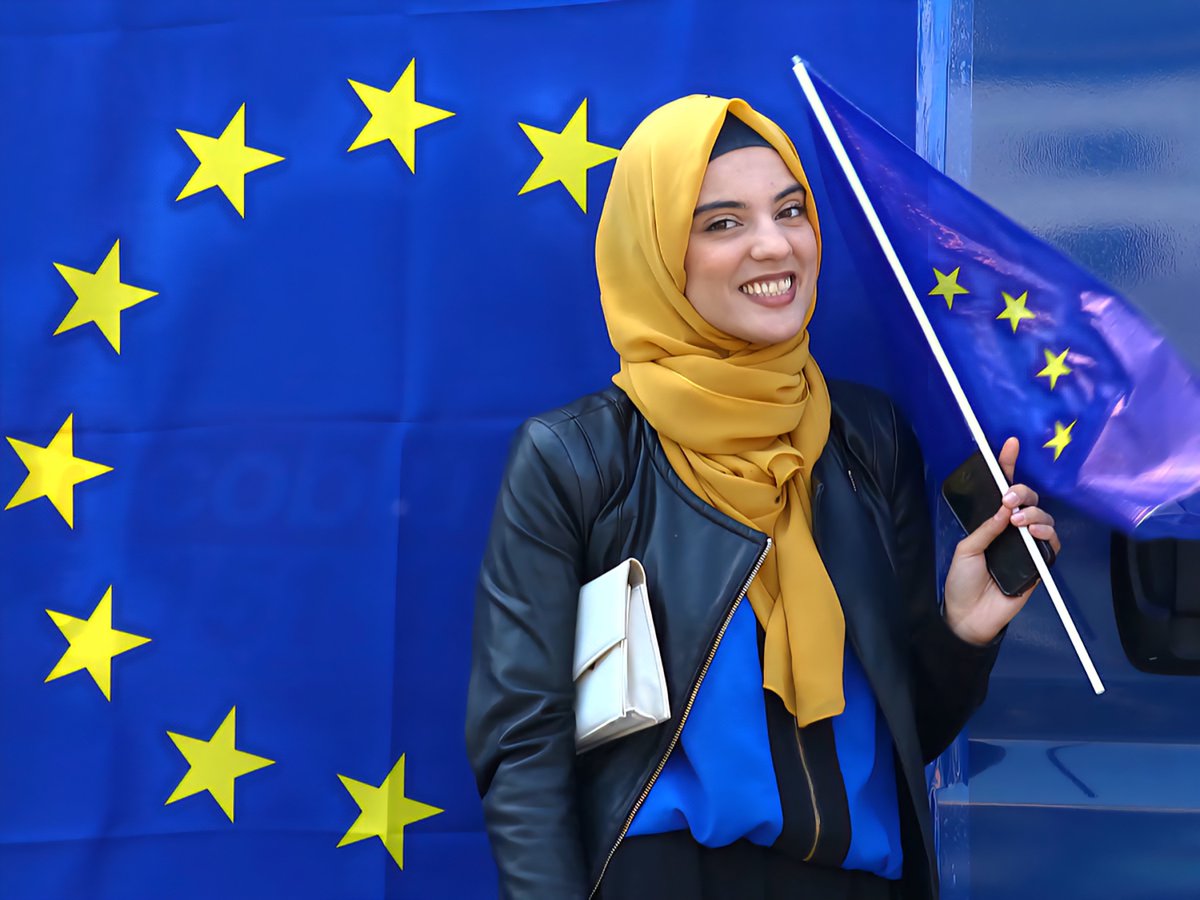
(Note: The image embedded above captures the striking demographic changes across Europe and serves as a visual reminder of this ongoing transformation.)
 ChatGPT
 Perplexity
 Gemini AI
 Grok AI