Select Language:
Elon Musk Takes on India’s Top 5 Companies: A Strategic Showdown
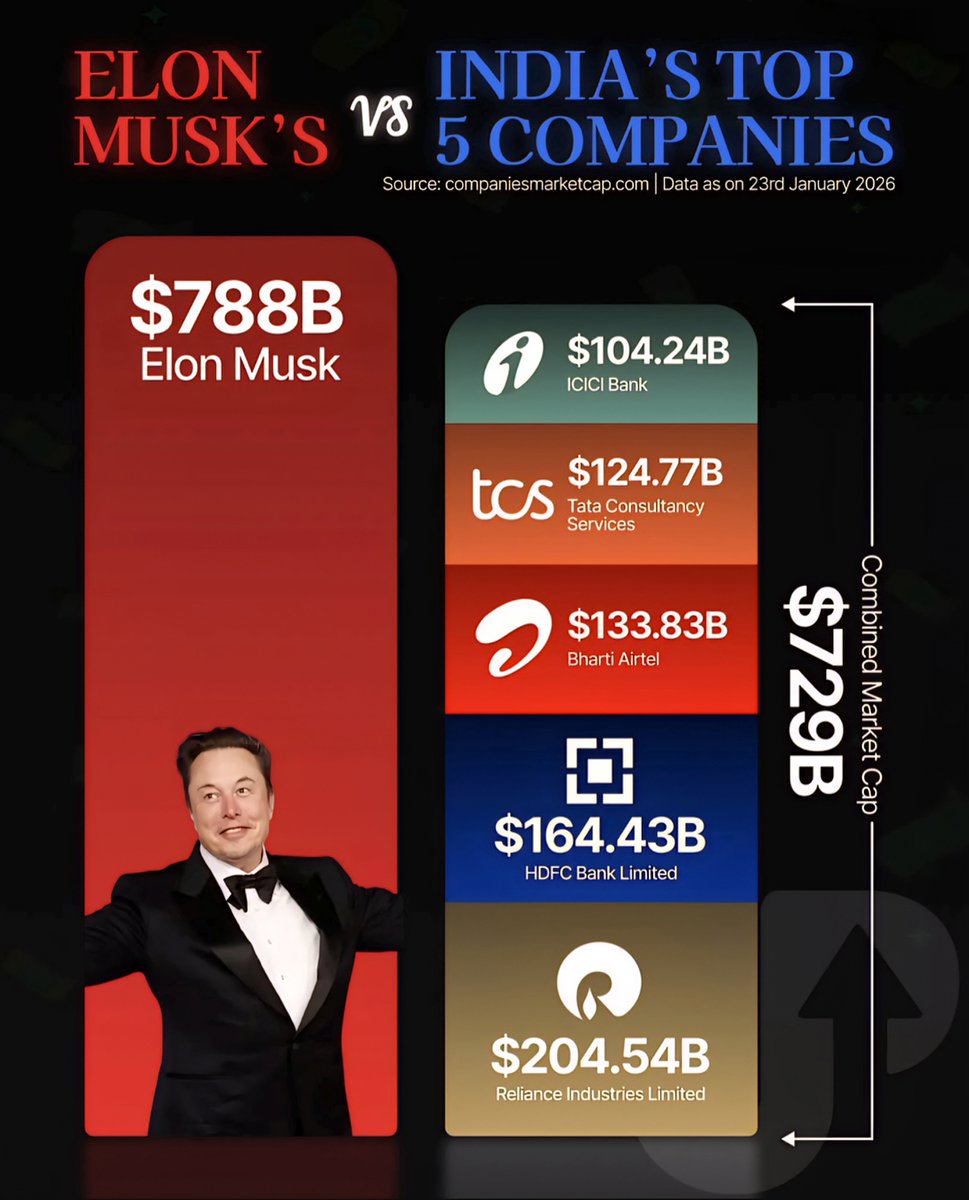
Musk’s Expanding Footprint in India: A Closer Look
In 2025, Elon Musk’s business empire continues to push boundaries, notably expanding into India’s highly competitive market. From electric vehicles to satellite internet, Musk’s ventures are challenging some of India’s biggest corporations. Let’s explore how Musk’s companies are reshaping the landscape and vying for dominance against India’s top players.
1. Tesla’s Electric Revolution versus Tata Motors and Mahindra
Tesla has been in India for several years, gradually establishing a strong presence. Its latest developments aim to revolutionize the country’s EV industry, but Tata Motors and Mahindra remain formidable competitors with extensive local manufacturing and government-backed incentives.
Tesla’s recent launches of affordable electric sedans and SUVs have received a warm welcome, yet Tata’s Nano EV and Mahindra’s XUV.e8 pose significant challenges. Tata’s deep-rooted local supply chains and widespread dealer networks give it an edge, but Tesla’s brand prominence and innovative tech continue to draw premium buyers.
Key Development: Tesla’s continued deployment of Supercharger stations across India aims to ease range anxiety and boost adoption. Meanwhile, Tata Motors announced increased investments in battery manufacturing, signaling a fierce battle for EV market leadership.
2. Starlink’s Satellite Internet Versus Reliance Jio and Bharti Airtel
With Starlink’s global expansion, Elon Musk is shaking up India’s internet service market, driven by Reliance Jio and Bharti Airtel’s extensive networks. Starlink’s satellite-based internet provides high-speed connectivity even in remote regions, giving it a unique advantage over traditional providers.
Reliance Jio, which dominates the telecom scene with affordable data plans, is investing heavily in 5G, but satellite internet offers an alternative with broader coverage in rural and underserved areas. Bharti Airtel is also exploring satellite partnerships to expand its reach.
Key Development: Regulatory hurdles and high initial deployment costs have slowed Starlink’s growth, but its technological superiority promises to challenge the incumbents’ dominance if hurdles are overcome.
3. Neuralink’s Brain-Computer Interface Versus India’s Growing AI Sector
Neuralink, Musk’s venture into neurotechnology, aims to develop brain-computer interfaces (BCIs) that could transform medicine and communication. While still in experimental phases globally, India’s burgeoning AI and biotech sectors are eyeing similar innovations, bolstered by government initiatives like the National AI Strategy.
Indian startups and research institutions are making strides in neurotech and AI-based healthcare solutions, positioning themselves as potential competitors. However, Neuralink’s cutting-edge technology and grants from Musk’s fortune give it a significant head start.
Key Development: Ethical debates and regulatory frameworks will influence Neuralink’s future in India, but its projects could open pathways for collaboration or competition with local AI biotech firms.
4. The SpaceX/Starship Push Against ISRO’s Space Program
SpaceX’s ambitious Starship project aims for multi-planetary colonization and rapid payload delivery. Though already a major player in commercial launches, Musk’s entry into India’s space domain—via launch services—poses competition for the Indian Space Research Organisation (ISRO).
India’s ISRO maintains cost-effective launch services for domestic and international clients, but SpaceX’s advanced reusable rocket technology could disrupt the market, especially for high-value payloads and deep space missions.
Key Development: Collaborations with Indian firms might provide mutual benefits. Still, Musk’s aggressive scheduling and innovations threaten to overshadow ISRO’s traditional dominance.
5. The Tesla Cybertruck Versus Indian Electric Truck Manufacturers
Musk’s Cybertruck is generating buzz globally for its unconventional design and durability. India’s electric commercial vehicle scene, led by startups like Tata and Ashok Leyland, is expanding rapidly, catering to logistics and transportation sectors.
While Indian firms focus on affordability and local customization, Tesla’s Cybertruck could redefine the premium electric truck segment. Its robust design and advanced features might target high-end logistics companies and multinational corporations operating in India.
Key Development: The eventual launch of Tesla’s Electric Truck in India is expected to trigger industry-wide innovations and price wars, prompting local manufacturers to upscale their offerings.
Conclusion: A New Era of Competition and Innovation
Elon Musk’s involvement in India’s markets symbolizes a transformative shift driven by technological innovation and strategic investments. While Indian corporations remain resilient and adaptive, Musk’s ventures are challenging them to evolve rapidly. The next few years will undoubtedly be pivotal in defining India’s tech and industrial future, with Musk’s global ambitions adding an extra layer of dynamism to this competition.
 ChatGPT
 Perplexity
 Gemini AI
 Grok AI