Select Language:
The Ongoing Debate: Celsius vs. Fahrenheit in 2025
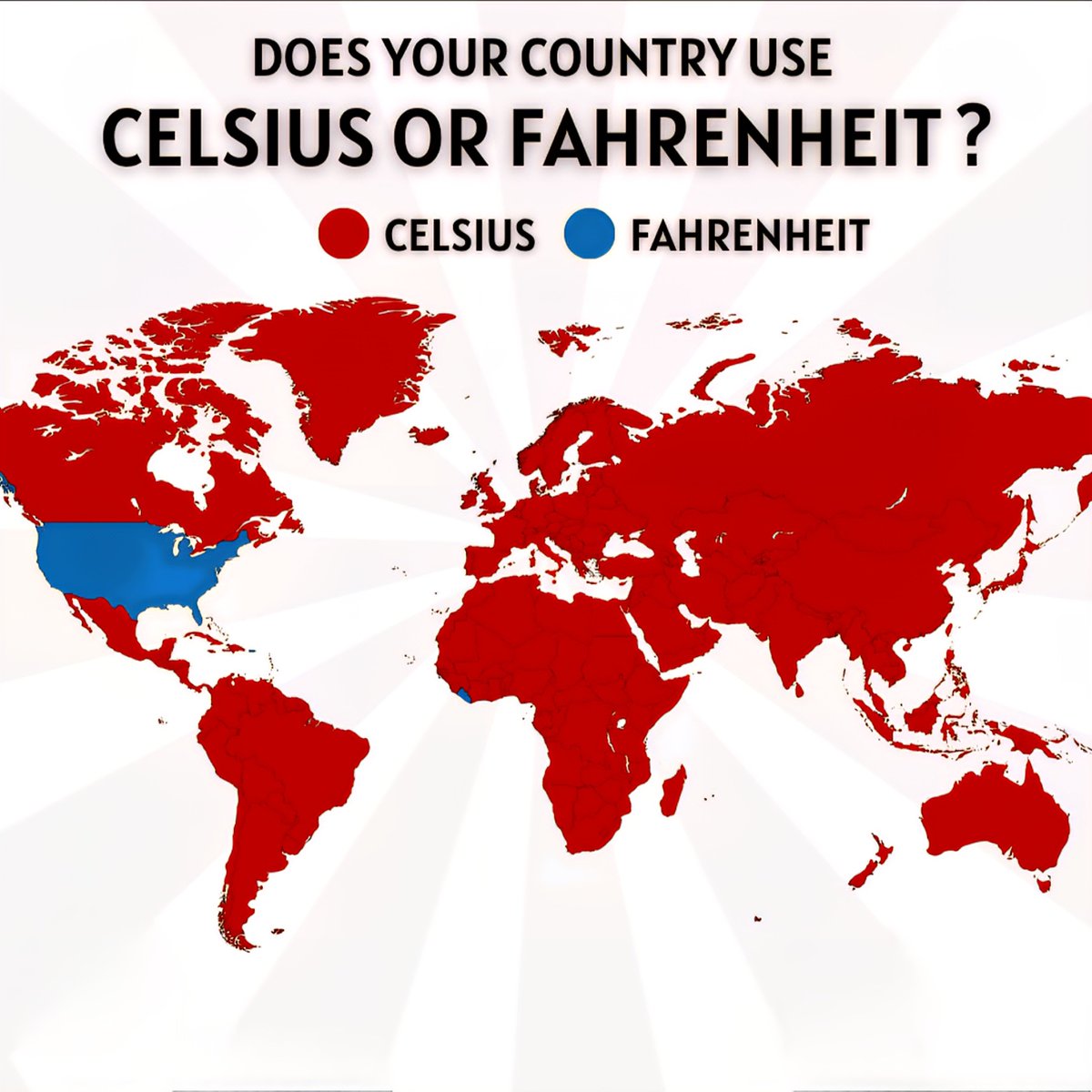
The temperature measurement systems—Celsius and Fahrenheit—continue to spark debate across various sectors worldwide. As global communication and technology evolve, so does the discussion about which system is more effective or preferred for everyday use and international standards. Here’s a detailed look at the key points shaping the Celsius vs. Fahrenheit conversation in 2025.
1. Geographic Preferences and Cultural Foundations
Different regions have longstanding ties to their measurement systems. Most of the world, including Europe, Asia, Africa, and much of South America, predominantly uses Celsius because of its alignment with the metric system, which is considered more scientific and straightforward. Conversely, the United States remains a stronghold for Fahrenheit, a system deeply embedded in American culture as it has been used for over a century. This cultural inertia influences everyday decisions, from weather forecasts to cooking recipes.
2. Scientific and Technical Considerations
In scientific communities, Celsius is universally preferred due to its alignment with the metric system and its ease of scientific calculations. It simplifies temperature conversions and reduces errors. The Kelvin scale, which is essential in physics and chemistry, is directly related to Celsius, making Celsius indispensable in research and global scientific collaboration. Fahrenheit, on the other hand, is rarely used in scientific contexts, though it remains popular for weather reporting in the United States.
3. Practical Implications in Daily Life
For most people, the familiarity of Fahrenheit’s range makes it easier to interpret weather conditions—130°F sounds dangerously hot, while 0°F signifies extreme cold. Celsius, with its 0-100 scale for water’s freezing and boiling points, offers a more intuitive understanding for most outside the U.S. For example, a 20°C day is considered mild and comfortable worldwide, whereas in Fahrenheit, a similar day corresponds to approximately 68°F, which can be less immediately meaningful without context.
4. Education and Learning Curve
Educational systems influence how familiar populations are with either system. Countries that teach Celsius from an early age tend to find it easier to adopt in scientific and everyday use. Meanwhile, in the U.S., many citizens grow up learning Fahrenheit, and changing this ingrained familiarity involves significant cultural and educational shifts. In 2025, some American educators are advocating for a gradual transition to metric units, including Celsius, citing future international compatibility.
5. Technological Integration and Future Trends
Smart devices, weather apps, and global communication platforms default to Celsius or Kelvin for international reporting, but many Americans still prefer Fahrenheit. This inconsistency complicates global data sharing but reflects wider adoption trends. As technology continues to consolidate global standards, the expectation is that Fahrenheit’s prominence in the U.S. may diminish over the next decade.
6. The Weather Forecasting Divide
Weather forecasting distinctly showcases the divide: Americans typically see Fahrenheit for daily updates, while Europeans and others worldwide rely on Celsius. This discrepancy can lead to misunderstandings, especially for travelers or international workers. There are some efforts, like dual-temperature displays, to bridge this gap, but the transition remains slow.
7. Economic and Political Factors
Measurement systems can also have economic and political implications. Standardization promises reduced costs in manufacturing and international trade, encouraging global alignment on measurement standards. However, political resistance, cultural identity, and the inertia of tradition continue to hinder the complete adoption of Celsius globally, especially in the United States.
8. The Role of Climate Change and International Collaboration
With climate change pushing nations towards unified environmental data sharing, there is a growing call to adopt a consistent measurement system. Celsius, being the international standard for scientific data and climate modeling, is seen as vital for accurate global communication. Nonetheless, adapting existing national systems remains a significant challenge.
9. The Future Outlook
Looking ahead to 2025 and beyond, the Celsius vs. Fahrenheit debate appears to favor Celsius in terms of global scientific collaboration and standardization. However, cultural preferences and national identities continue to uphold Fahrenheit’s presence in the U.S. It is likely that dual-reporting could persist for some regions, especially in international settings.
10. Public Awareness and Education Campaigns
Efforts to educate citizens about the benefits of Celsius are gaining momentum. Government agencies and educational institutions are promoting awareness campaigns that highlight the scientific and logistical advantages of Celsius measurement. Such initiatives aim to gradually shift public perception and usage.
The temperature measurement debate remains lively, reflecting broader tensions between tradition and progress. While global trends favor Celsius, Fahrenheit’s entrenched position in American culture shows resistance to change. As technology advances and international cooperation intensifies, the eventual global standard might lean more towards Celsius—unless cultural factors sustain the status quo.
 ChatGPT
 Perplexity
 Gemini AI
 Grok AI