Select Language:
Asia: The Birthplace of Major Religions
1. Buddhism: From Ancient India to a Global Faith
Buddhism traces its roots back to the Indian subcontinent around the 5th to 6th century BCE. Founded by Siddhartha Gautama, known as the Buddha, this religion emphasizes mindfulness, compassion, and the pursuit of enlightenment. Over centuries, Buddhism spread across Asia, profoundly influencing countries like China, Japan, Korea, Sri Lanka, and Southeast Asian nations. Today, it remains one of the world’s major religions, with millions of followers practicing diverse traditions such as Theravāda, Mahāyāna, and Vajrayāna.
Image: 
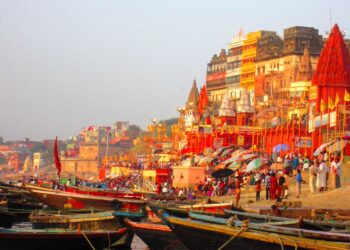
2. Hinduism: The Oldest Living Religion Originating in India
Hinduism is widely regarded as one of the oldest religions still practiced today, with origins dating back over 4,000 years in the Indian subcontinent. It encompasses a complex array of beliefs, rituals, and philosophies centered around concepts like karma, dharma, and the pursuit of Moksha (liberation). Major texts such as the Vedas and Upanishads form the foundation of Hindu thought. Confined mostly to India and Nepal, Hinduism has also spread to parts of Southeast Asia, influencing local cultures and traditions.
3. Confucianism and Taoism: Philosophical Foundations of East Asia
While often considered philosophies rather than religions, Confucianism and Taoism have shaped the cultural and spiritual landscape of East Asia profoundly. Originating in China around the 5th century BCE, Confucianism emphasizes social harmony, family values, and moral integrity. Taoism, attributed to Laozi, advocates living in harmony with the Tao—the natural order of the universe—fostering a spiritual outlook centered on simplicity and spontaneity. Both philosophies continue to influence modern Chinese society and beyond.
4. Shinto: The Indigenous Religion of Japan
Unique to Japan, Shintoism is a spiritual tradition rooted in animism, honoring kami—spiritual beings or gods present in nature, ancestors, and sacred sites. Emerging over 2,000 years ago, Shinto practices involve rituals at shrines, festivals, and offerings to kami to ensure prosperity, health, and harmony. Unlike many other religions, Shinto has no formal doctrine or sacred texts; instead, it is deeply woven into Japan’s culture, festivals, and daily life.
5. Islam: A Dynamic Religion in Central and South Asia
Islam entered the Asian continent via trade routes and conquests over a millennium ago. Today, countries like Indonesia, Pakistan, Bangladesh, and parts of Central Asia host large Muslim populations. The religion teaches submission to Allah and follows the teachings of Prophet Muhammad, as documented in the Quran. With vibrant traditions, diverse cultural practices, and a growing community of followers, Islam continues to play a significant role in shaping social and political life across much of Asia.
6. Christianity’s Rise in the Far East
Christianity made its way into Asia through colonialism, missionaries, and trade from as early as the 16th century. Countries like the Philippines, East Timor, and parts of South Korea have significant Christian populations. The religion emphasizes the teachings of Jesus Christ and the principles of love, charity, and salvation. Rapid growth and local adaptations have allowed Christianity to flourish in diverse Asian countries, blending local customs with religious practices.
7. Indigenous and Tribal Religions: Asia’s Diverse Spiritual Tapestry
Beyond the major world religions, countless indigenous and tribal communities across Asia maintain unique spiritual traditions. From the animist beliefs of the hill tribes in Southeast Asia to the spiritual practices of the Mongols and various indigenous groups in Siberia, these traditions often focus on harmony with nature, ancestral worship, and shamanic rituals. Despite modernization, many of these practices are preserved and celebrated through festivals and cultural rituals, highlighting the continent’s rich spiritual diversity.
8. Religious Festivals That Bind Asian Cultures
Asia is home to some of the most colorful and elaborate religious festivals in the world. From Diwali, the Hindu festival of lights celebrated across India and Nepal, to Chinese New Year marked by ancestral rites and dragon dances, these events serve as a testament to the deep spiritual roots in Asian societies. Buddhist Vesak commemorates the birth, enlightenment, and death of Buddha. Shinto festivals honor kami through rituals and celebrations. These festivals not only reinforce religious traditions but also foster community unity.
9. Asia’s Growing Interfaith Interactions
In recent years, Asia has become a vibrant mosaic of interfaith dialogue and multicultural exchange. Urban centers host churches, mosques, temples, and shrines side by side, encouraging mutual understanding and cooperation. Governments and NGOs are promoting interfaith initiatives to nurture tolerance amid diverse populations. As religious boundaries become increasingly intertwined with social and political currents, Asia exemplifies how spirituality can adapt and thrive in a globalized era.
10. The Future of Religion in Asia
As Asia continues to evolve technologically and socially, its spiritual landscape is also transforming. While traditional practices remain strong, younger generations are exploring new avenues of spiritual expression, including modern spiritual movements and reinterpretations of ancient faiths. The ongoing dialogue between tradition and innovation shapes Asia’s religious future, ensuring that these ancient faiths remain vital and relevant in the 21st century.
Image:
 ChatGPT
 Perplexity
 Gemini AI
 Grok AI