Select Language:
1. Africa Surpasses Russia in Landmass
In a surprising turn of geographic records, Africa has officially overtaken Russia as the world’s largest continent in terms of surface area. While Russia remains the largest country globally, Africa’s immense size spans approximately 30.37 million square kilometers, making it the second-largest continent after Asia. This change highlights Africa’s significant expanse, which covers diverse terrains from expansive deserts and savannahs to lush rainforests and mountain ranges. These vast lands not only offer extraordinary natural beauty but also hold immense potential for economic development, agriculture, and resource extraction.
2. The Geographical Implications of Africa’s Growth
This shift in landmass comparison emphasizes Africa’s vast geographical diversity. The continent stretches from the Mediterranean Sea in the north to the Cape of Good Hope at the southern tip, crossing numerous climate zones and ecosystems. The extensive territory offers a unique blend of natural resources, including significant mineral deposits, oil reserves, and agricultural lands. Countries like Nigeria, South Africa, and Egypt benefit from the continent’s size, leveraging their resources to bolster economic growth and regional influence.
3. Historical Context and Changing Border Demographics
Historically, Russia’s territorial dominance was undisputed until recent geographical measurements revealed Africa’s surpassing size. This development is a result of refined satellite technology and improved measurement techniques, which have provided more accurate data about land areas. It also underscores the importance of understanding how geographic data can influence perceptions of global power and regional importance. While political borders remain unchanged, such geographic shifts serve as a reminder of the dynamic nature of the world’s physical geography.
4. Why Africa’s Size Matters for Global Economics
Africa’s expanded territorial area has significant implications for global economics and geopolitics. With its vast lands, the continent has become increasingly attractive for foreign investment, especially in sectors such as mining, agriculture, and renewable energy. Countries are recognizing the strategic importance of Africa’s resources and natural wealth, fostering partnerships aimed at sustainable development.
Furthermore, the continent’s size enhances its role in global supply chains, particularly as new markets develop. The potential for infrastructure expansion, including roads, ports, and energy grids, is immense, offering opportunities for economic leapfrogging. This new measurement places Africa on the map as not just a continent rich in resources but as a vital player in worldwide economic affairs.
5. The Cultural and Demographic Diversity of Africa’s Land
A continent this size also translates to incredible cultural, linguistic, and demographic diversity. Over 1.4 billion people call Africa home, speaking hundreds of languages and practicing numerous religions. The size and diversity foster a variety of cultural expressions, making Africa a mosaic of traditions and histories. This population, coupled with the continent’s vast territories, forms a complex tapestry that is both a challenge and an opportunity for nations seeking unity and growth.
6. Impact on Environmental and Conservation Efforts
The extensive landscapes across Africa mean a wide array of environmental challenges and conservation opportunities. With larger land areas, efforts to protect endangered species like elephants and gorillas are becoming more complex but also more impactful. Greater size allows for the establishment of larger protected areas and national parks, crucial for biodiversity preservation. Additionally, the continent faces pressing issues like deforestation, desertification, and climate change, which require coordinated international strategies owing to Africa’s vast and varied ecosystems.
7. A New Era for African Nations
The recognition of Africa as the world’s largest continent symbolizes more than just land mass; it signifies a new era of opportunity and responsibility for African nations. In 2025, policymakers, entrepreneurs, and environmentalists are increasingly focused on harnessing Africa’s potential responsibly and sustainably. As infrastructure projects grow and demographic trends shape the future, Africa stands at the cusp of a transformation with global implications.
Image:
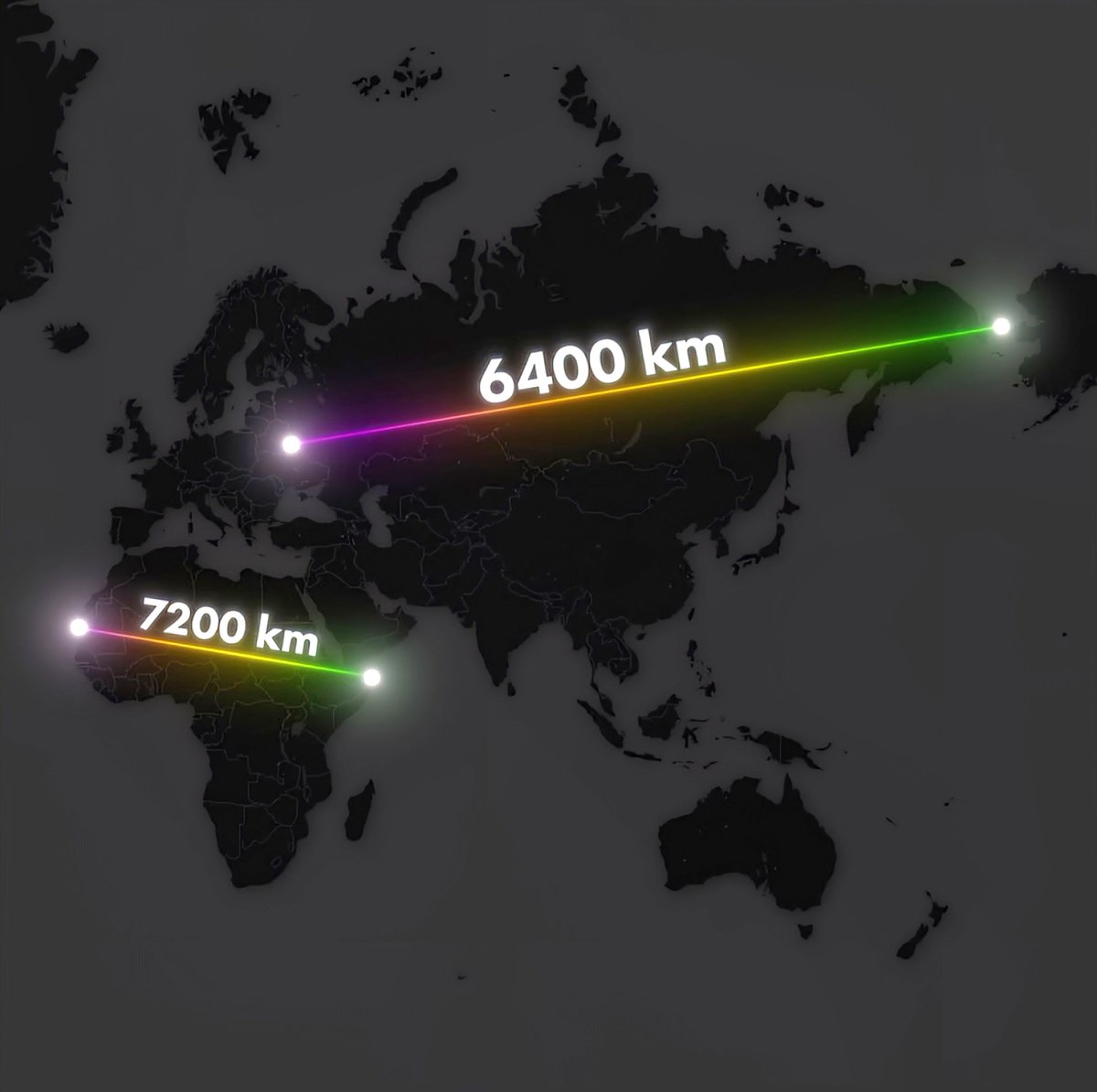
(This image visually underscores Africa’s expansive geography, illustrating the vastness of the continent in contrast to others, including Russia.)
 ChatGPT
 Perplexity
 Gemini AI
 Grok AI