Select Language:
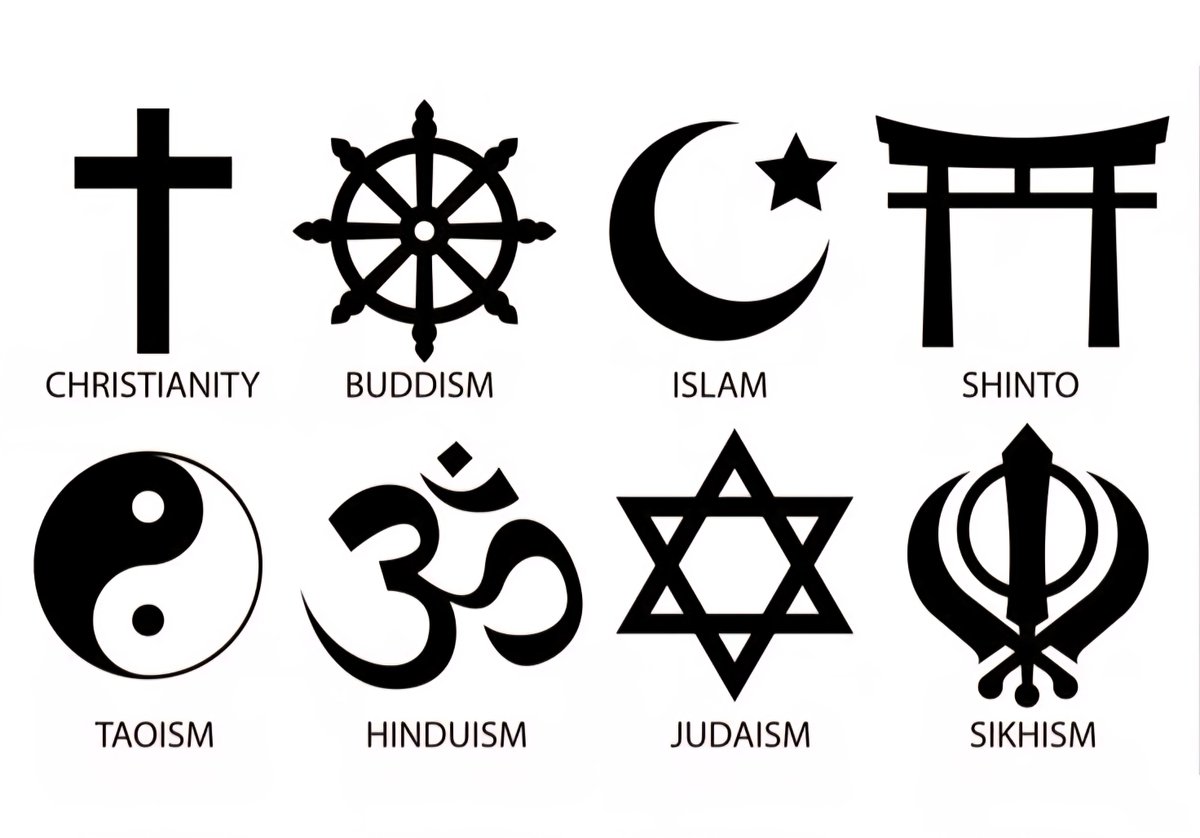
Top Countries and Their Dominant Religions in 2025
India Leads with Hinduism as the Predominant Faith
With nearly 80% of its population adhering to Hinduism, India maintains its status as the country with the largest Hindu community in the world. The vibrant cultural and religious landscape continues to shape India’s societal norms, festivals, and daily practices.
Japan Sees a Rise in Religious Unaffiliation
Japan has seen an increase in the population identifying as unaffiliated with any religion, now constituting approximately 60%. Despite this shift, many retain cultural traditions rooted in Shinto and Buddhist practices, loosely linked to their spiritual heritage.
United States Maintains Christian Majority
In the U.S., about 63% of the population identify as Christian, making it the dominant faith. This diverse mix includes Protestants, Catholics, and emerging Christian communities, reflecting the country’s multicultural makeup.
Europe’s Christian Heritage Continues
The United Kingdom has around 49% of its population practicing Christianity, followed closely by Italy at 80%, and Spain at 70%. These figures reflect a gradual decline but persistent influence of Christianity on European culture, architecture, and societal values.
South America’s Religious Stronghold: Christianity
Brazil leads South America with approximately 88% of its population identifying as Christian. Countries like Mexico (82%) and Argentina (76%) also show high Christian adherence, underpinning their rich religious traditions and festivities.
Islam Dominates in the Middle East and Parts of Asia
Countries such as Iran (99%), Turkey (98%), Egypt (90%), and Indonesia (87%) showcase Islam as the predominant faith, shaping politics, society, and daily life. Saudi Arabia remains unique with a 100% Muslim population, serving as the spiritual center of Islam.
Asia’s Varied Religious Landscape
- Buddhism has a stronghold in Thailand (93%) and Sri Lanka (70%), influencing art, temples, and philosophical outlooks.
- Hinduism remains dominant in Nepal (81%) and India, fostering rich spiritual traditions.
- Unaffiliated populations are sizable in South Korea (56%) and China (75%), indicating growing secular or non-religious segments amid rapid modernization.
Religious Minority and Jewish Communities
- Israel stands out with a 74% Jewish population, maintaining its identity as the Jewish homeland.
- Other areas, such as Lebanon and parts of North Africa (Morocco, Tunisia), have significant Muslim populations, primarily Sunni.
Religious Diversity and Trends in 2025
While many countries remain rooted in traditional faiths, global trends point toward increasing secularism and religious diversity. Several nations report stable or declining adherence to traditional religions, highlighting shifting cultural dynamics and the role of religious identity in societal development.
What Does the Future Hold?
The data reflects a complex mosaic of faiths that continue to shape global politics, culture, and everyday life. The rise in religious unaffiliation in some countries juxtaposes with religious fervor in others, signaling a world in flux where faith remains a vital yet evolving aspect of human identity.
Note: All figures are estimates based on the latest research from Pew Center and World Population Review data as of 2025. For the most current and detailed statistics, please consult the official sources.
 ChatGPT
 Perplexity
 Gemini AI
 Grok AI