Select Language:
25 Fascinating Animal Facts You Probably Never Knew in 2025
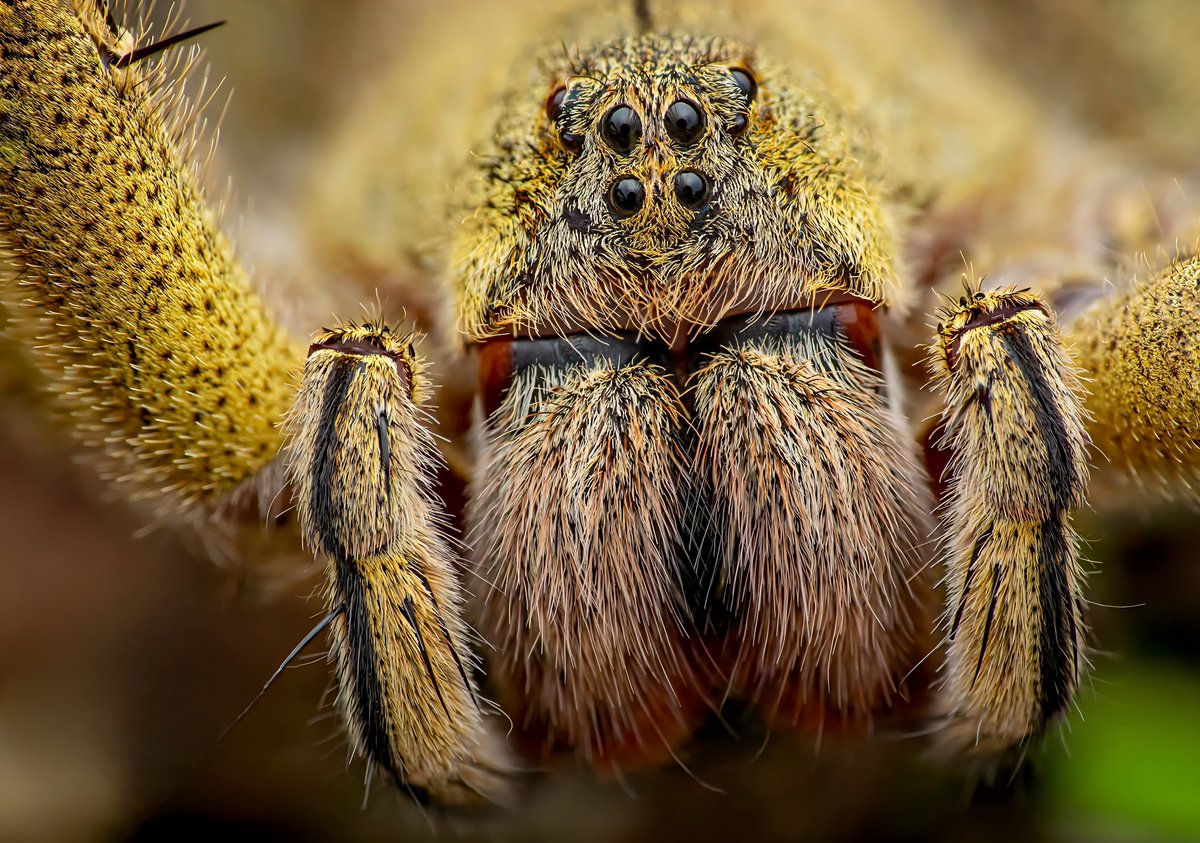
1. A Spider’s Surprise: Brazilian Wandering Spider
Did you know that a bite from the Brazilian wandering spider can cause a prolonged and sometimes dangerous erection that lasts up to four hours? This effect, although startling, highlights the complex chemistry behind spider venom, which can have unexpected effects on humans.
2. The Meat Allergy Trigger: Lone Star Tick
A single bite from the Lone Star tick can lead to a lifelong allergy to red meat. This rare condition, known as alpha-gal syndrome, causes severe allergic reactions whenever affected individuals consume beef, pork, or other mammalian products, changing their dietary habits forever.
3. Cone Snail’s Deadly Cocktail
Cone snails are marine creatures with venom potent enough to paralyze a fish almost instantly. Strangely, they often keep their prey alive while consuming it, showcasing a fascinating and brutal hunting strategy in the underwater world.
4. The Blue-Ringed Octopus: A Silent Killer
The venom of the blue-ringed octopus has the power to cause respiratory failure within minutes, with no known antidote. Their small size masks their deadly toxin, making them one of the ocean’s most dangerous creatures.
5. Pufferfish: Toxins on a Delicacy
Despite harboring enough toxin to kill about 30 humans, pufferfish, or fugu, is considered a delicacy in Japan. Chefs require specialized training to prepare it safely, emphasizing the paradox of danger and delicacy in the culinary world.
6. Bullet Ants’ Pain Threshold
The sting of a bullet ant causes pain so intense that it has been likened to being shot repeatedly for an entire day. These ants have a legendary status among tribes in South America, where their sting is part of ceremonial challenges.
7. Snake Venoms That Cause Internal Bleeding
Some snake venoms can lead to internal bleeding without any external injuries. This insidious effect makes bites especially dangerous, requiring prompt medical attention, as the damage occurs beneath the surface.
8. Enormous Eyes of the Giant Squid
The giant squid boasts eyes that can detect approaching whales even in pitch-black depths. Their incredible eyesight aids in navigation and hunting in the vast and dark oceanic environment.
9. Africanized “Killer” Bees’ Pursuit
Africanized bees, often called “killer bees,” are notorious for chasing victims over distances exceeding a kilometer. Their aggressive nature makes them a significant threat to humans and animals alike.
10. Snails’ Sperm Storage
Some snails have the unusual ability to store sperm for years and later decide when to fertilize their eggs. This adaptation adds an extra layer of complexity to their reproductive process.
11. Parasitic Wasps’ Inside Job
Certain parasitic wasps lay their eggs inside caterpillars, which remain alive but are slowly consumed from within. This eerie parasitism showcases a chilling strategy for species survival.
12. Stonefish: Nature’s Needle
The venom of the stonefish can cause tissue death within hours if not treated promptly. Their camouflaged appearance makes accidental stings a common occurrence in ocean reefs, emphasizing caution for divers.
13. Mantis Shrimp’s Blinding Punch
Mantis shrimp can strike with such speed and force that their punches create flashes of light underwater. This extraordinary weapon is used to shatter shells and deter predators.
14. Snakes’ Survival Skills
Several snake species can survive over a year without eating, entering hibernation or dormancy periods during scarcity. This resilience aids their survival in unpredictable environments.
15. Octopus’ Numbing Saliva
Octopuses possess venomous saliva that quickly numbs their prey, easing consumption. Their ability to detach arms to escape predators further demonstrates their adaptability.
16. Fish Changing Sex
Some fish species can change their sex multiple times throughout their lives. This remarkable flexibility allows them to adapt to environmental or social changes, ensuring reproductive success.
17. Zombie-Ant Fungus
The “zombie-ant” fungus infects an ant’s brain, compelling it to leave the colony and die in a specific location. The fungus then grows a stalk from the ant’s body to release spores, continuing the infection cycle.
18. Birds’ Half-Brain Sleep
Certain bird species can sleep with one half of their brain while keeping the other half alert. This adaptive sleeping pattern helps them stay vigilant during long migratory flights.
19. Sea Turtles’ Breath-Holding Feat
Sea turtles can hold their breath for over five hours while resting underwater. This impressive feat enables them to remain submerged for extended periods, evading predators and conserving energy.
20. Boomslang’s Bleeding Venom
The boomslang snake’s venom causes bleeding from the eyes, mouth, and pores. Its potent venom affects blood clotting, making it extremely dangerous when bitten.
21. Mosquito Saliva’s Cloak
Mosquito saliva contains compounds that mask pain and prevent blood from clotting, allowing them to feed unnoticed and efficiently. This stealth is part of why mosquitoes are such effective disease vectors.
22. Jellyfish’s Deadly Sting
Some jellyfish stings can cause heart failure hours after contact if not treated immediately. Their nematocysts deliver toxins that can affect the cardiovascular system dramatically.
23. Octopus’ Arm Tearing
Octopuses have the ability to tear off their own arms to escape predators or when damaged. This self-amputation demonstrates their incredible resilience and survival tactics.
24. Snakes Sensing Heartbeats
Certain snakes can detect a prey’s heartbeat through vibrations in the ground. This sensitivity allows them to hunt even when their prey is hidden or motionless.
25. Scorpion’s Cancer-Fighting Venom
The venom of the deathstalker scorpion is currently being studied for its potential to target and treat brain cancer cells. This discovery opens new avenues for medical research using animal toxins.
Note: Effects and behaviors described are based on scientific research, though individual experiences may vary depending on species and environmental conditions.
 ChatGPT
 Perplexity
 Gemini AI
 Grok AI