

Select Language:
Hello, everyone! Today, I’m excited to guide you on how to prevent apps from launching automatically at startup in Windows.
Many developers design their applications to start automatically when you boot up your Windows system, bringing them to the forefront. However, I’ve found that this can often clutter my screen and obstruct my desktop view.
Moreover, having numerous applications load at startup can noticeably slow down your boot time and delay your computer’s responsiveness after it starts. It can be frustrating to either have to close all these apps manually or deal with prompts before you can begin your work.
I’ve decided to stop allowing most apps to run automatically at startup and only open them when needed. This change has made my laptop much quicker! And the best part? It’s a straightforward process to set this up!
Here’s How:
- Press Windows + I to open the Settings menu from your desktop.
- Next, go to Apps > Startup and turn off the switches for any apps you want to keep from starting automatically.
Dominic Bayley / Foundry
If you’re looking to further enhance your computer’s performance after a restart, consider preventing apps from reopening automatically. Here’s how:
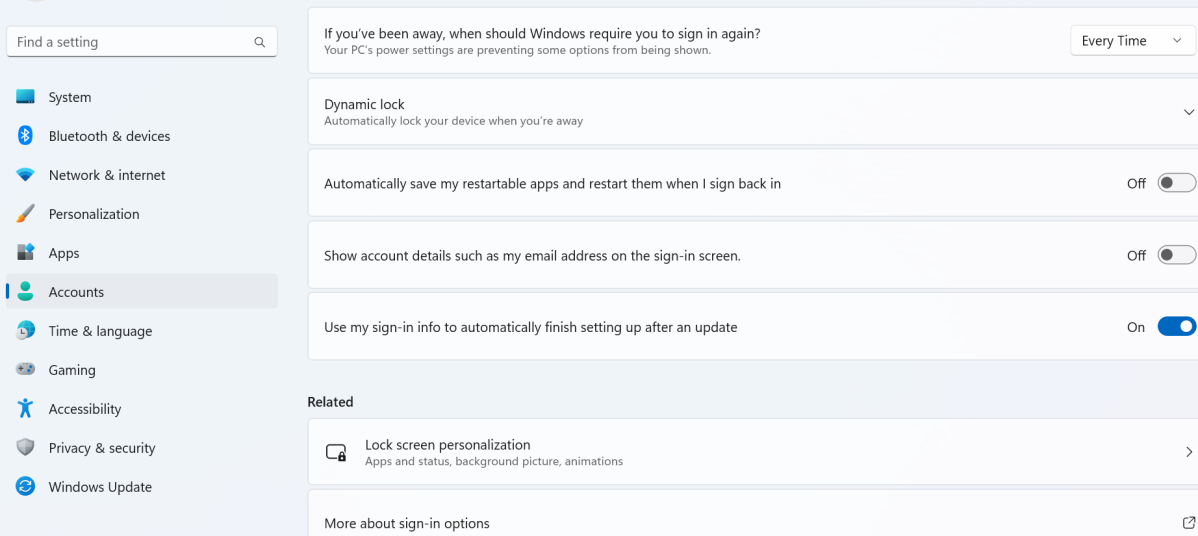
- Access the Settings menu by pressing Windows + I. Then, navigate to Accounts > Sign-In Options.
- Toggle Automatically save my restartable apps and restart them when I sign back in to “Off.”
Dominic Bayley / Foundry
After completing these steps, your computer should boot up with only the applications you wish to have at startup and after restarting.
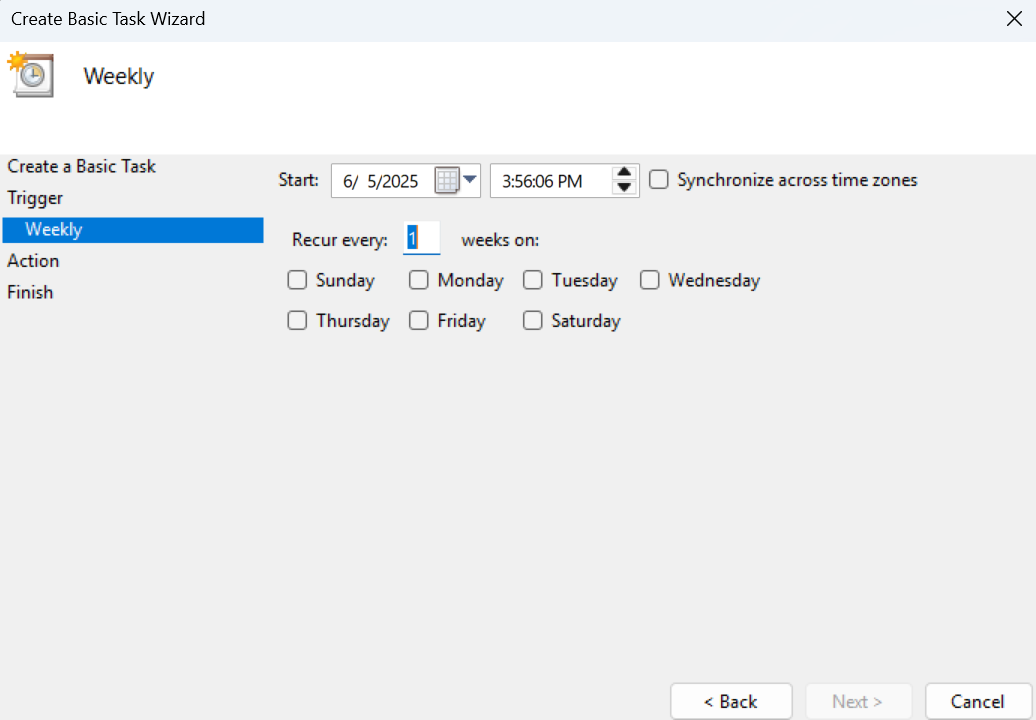
If you have certain applications that you want to run at specific times (like your calendar or to-do list), but you don’t want the hassle of starting them manually every day, you can use Windows Task Scheduler. Here’s a quick guide:
- Search for Task Scheduler in Windows and open the utility.
- On the right side, select Create basic task under the Actions section.
- Provide a Name and Description for your task, then click Next.
- Select the Trigger (timing and frequency) for when you want your task to run, and press Next.
- Choose the application or program you’d like to launch, click Next, and finally select Finish.
Dominic Bayley / Foundry
You can apply this method to any applications you desire!
Taking control of your startup process is truly satisfying, isn’t it? If you’d like to receive more easy-to-follow tips like this one delivered to your inbox each week, don’t forget to subscribe to our Try This newsletter!
 ChatGPT
 Perplexity
 Gemini AI
 Grok AI