
Select Language:
One of the most exciting developments in the solar energy sector comes from Hebrew University of Jerusalem, where researchers have created 3D-printed, semi-transparent, flexible perovskite solar cells with customizable color and transparency.
Typically, solar panels are either blue, dark gray, or black, depending on their design and materials. While this consistent aesthetic works well on rooftops where appearance isn’t a concern, visible solar installations often clash with architectural and design elements. This challenge isn’t limited to the US; it’s a global issue affecting urban environments everywhere.
Solar cells have traditionally prioritized function over form, but scientists in Israel aim to change that. They’re rethinking solar technology so it can seamlessly integrate with modern buildings, enhance overall design, or even elevate the look of homes and cities.
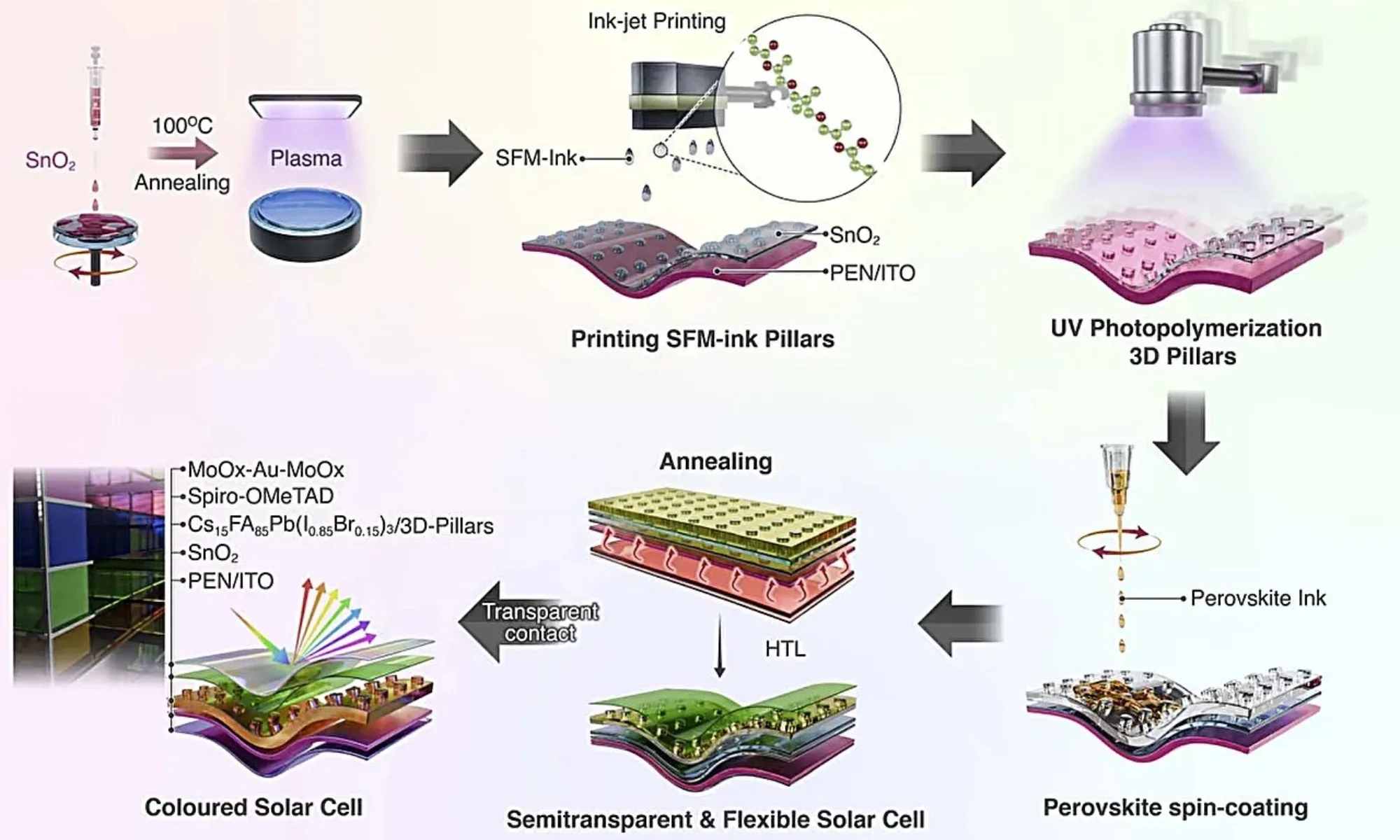
At the core of this innovation are perovskite solar cells, renowned for their excellent light absorption and energy conversion capabilities. Instead of flat sheets, researchers have 3D-printed the perovskite into microscopic vertical pillars—imagine a forest of tiny energy-absorbing trees.
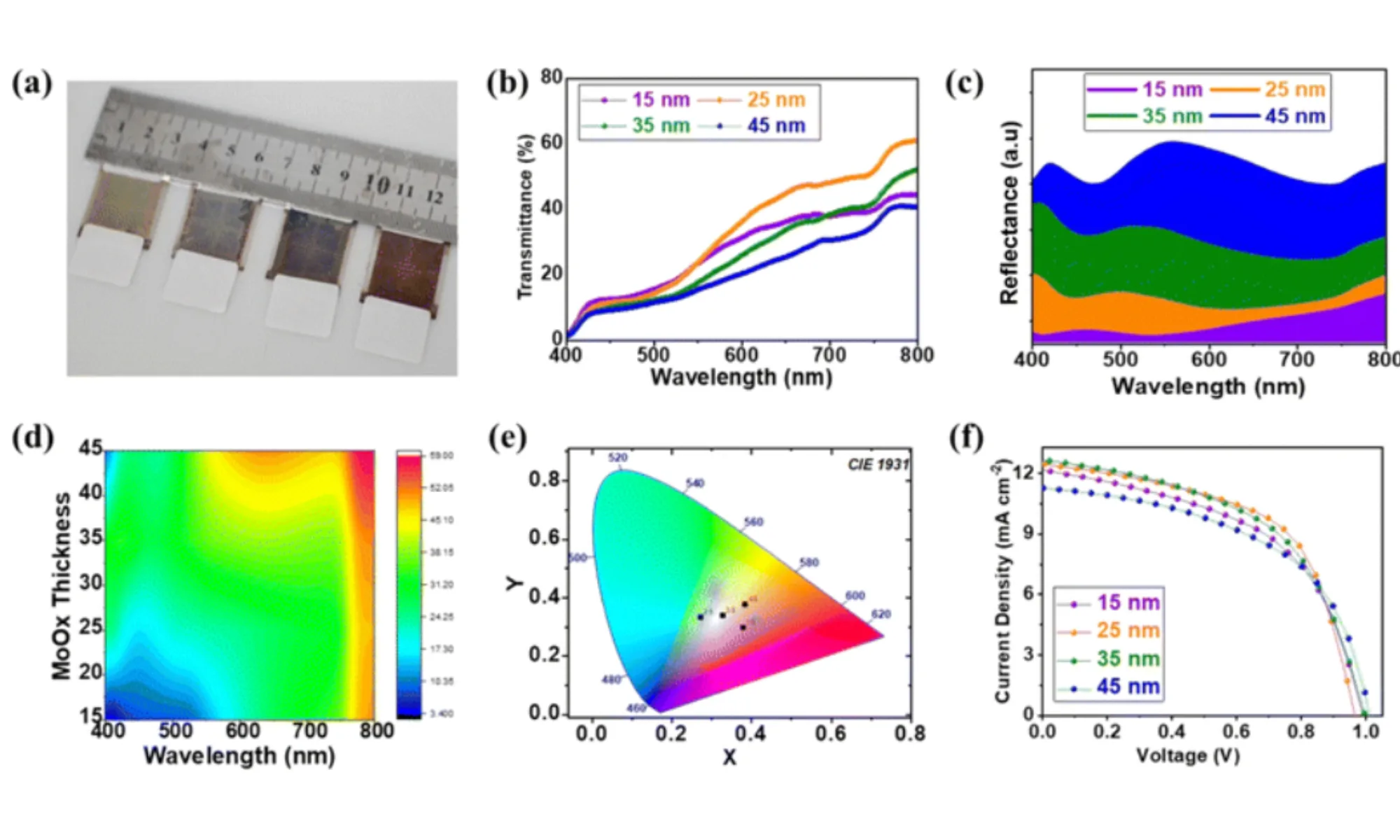
By fine-tuning the height, spacing, and density of these pillars, scientists can control how much light filters through the gaps, effectively adjusting the transparency. Additionally, the microscopic arrangement allows the cells to absorb and reflect specific wavelengths, giving them a visible hue.
Because the solar layer isn’t flat, it can bend without cracking, making the material flexible. This opens up new possibilities, such as printing these cells directly onto windows, curved walls, facades, and other non-flat surfaces—all while generating electricity.
Even better, their appearance can be customized to match a building’s aesthetic or seasonal decorations, making this an especially attractive option for residential, commercial, and hospitality settings where glass is an architectural staple.
Could this technology also be printed on car windows and used to power small devices like phones? Possibly. It suggests a future where bulky solar panels might no longer be necessary, as windows could quietly contribute to a home or vehicle’s energy needs.
In essence, this material absorbs light and produces electricity while serving as a sleek design element.
Tests have shown that this flexible solar material can reach a power conversion efficiency of up to 9.2%, maintaining about 35% average visible transparency. Additionally, the vertically arranged perovskite cells have demonstrated stability through extended use and repeated flexing.
While these numbers are promising, the efficiency needs to compete with traditional panels for widespread adoption. The developers are working on enhancing the material’s durability to prepare it for commercial deployment. Once these challenges are overcome, this innovative technology could make its way from research labs to city skylines.
 ChatGPT
 Perplexity
 Gemini AI
 Grok AI