Select Language:
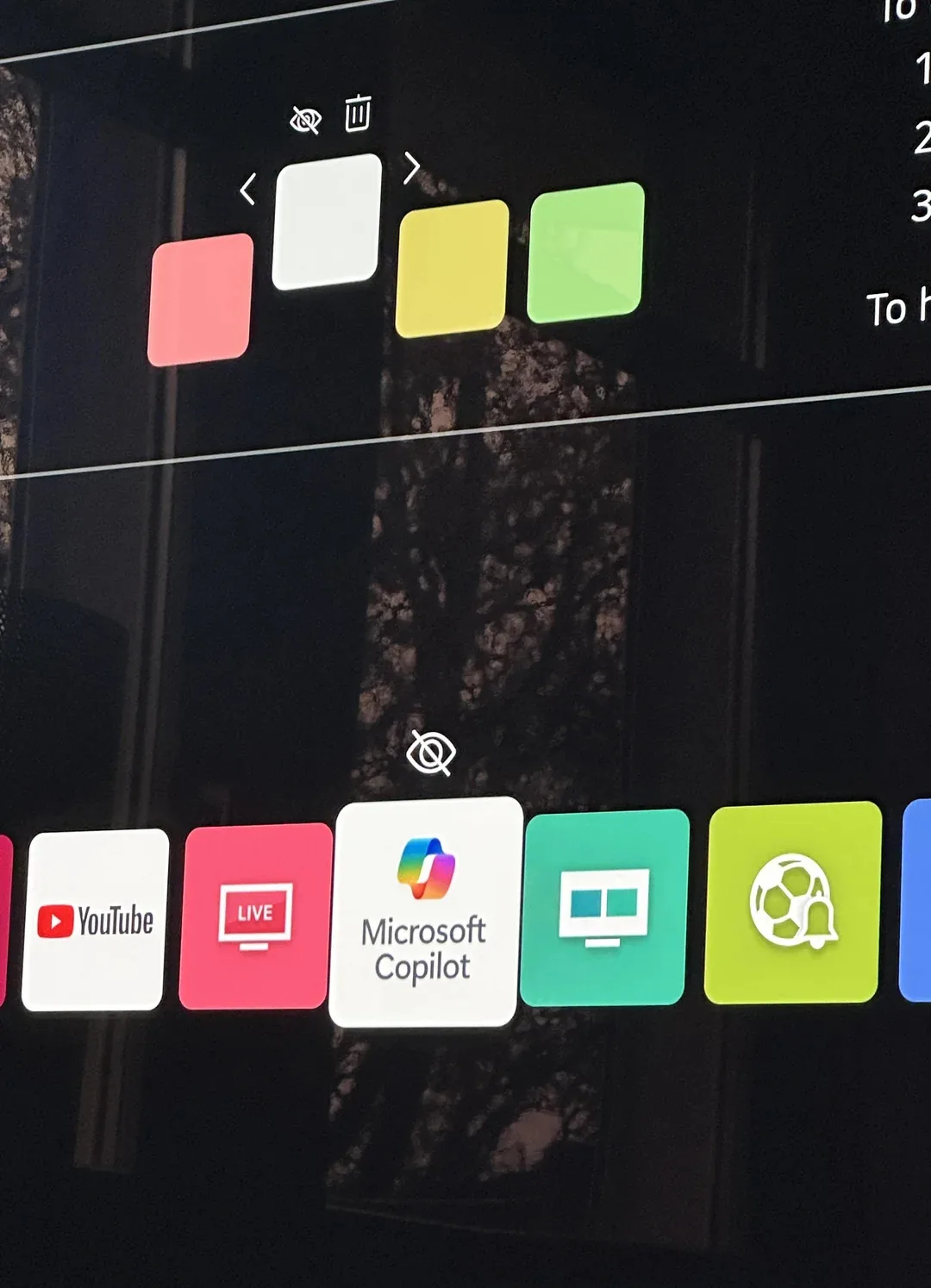
Microsoft’s Copilot has discreetly appeared on LG webOS TVs, with many owners only noticing after it was already installed. The situation first came to light when a user on Reddit shared screenshots showing a Microsoft Copilot tile on their LG TV’s home screen following a recent webOS update. The post quickly gained traction, and other LG TV owners confirmed they were seeing the same feature.
As additional reports emerged, it became evident this isn’t an isolated glitch affecting only one model. This development aligns with LG’s prior plans to embed Copilot into its TV operating system, particularly for newer versions of webOS. LG’s official documentation notes that some applications are regarded as integral system components, which likely explains why Copilot cannot be removed like other downloads. Users can choose not to sign in or hide the tile, but the app itself remains installed.
Along with Copilot, the latest LG TV update also enables a feature called Live Plus by default. According to on-screen information from LG, Live Plus allows the TV to identify displayed content and utilize viewing data to offer personalized recommendations and targeted advertisements. Unlike Copilot, Live Plus can be turned off if desired.
According to reports, disabling Live Plus involves navigating to Settings > All Settings > General > Additional Settings and switching off Live Plus—though these steps may vary based on region and model. Once deactivated, the TV ceases on-screen content recognition for those services. Currently, Copilot does not provide a comparable toggle, leaving owners with limited control options beyond hiding the app or avoiding online features altogether.
This situation highlights how intelligent TV systems are increasingly integrating AI features at a systemic level, often ahead of user opportunities to opt out. For those considering an upgrade, LG’s 2025 TV lineup heavily emphasizes software-driven capabilities like AI assistants—something worth considering before making a purchase. LG’s recent CES presentations also suggest that future TV software and AI functionalities will likely shape the biggest trends in home entertainment through 2026.
 ChatGPT
 Perplexity
 Gemini AI
 Grok AI